Hiking With a Baby: Deuter Kid Comfort
Embracing the Great Outdoors: A Guide to Hiking with Your Baby and the Deuter Kid Comfort
As pediatric specialists and parents ourselves, we understand the profound desire to share the wonders of the natural world with your little one. Hiking, far from being an activity exclusively for older children, can be a deeply enriching experience for the whole family, even with a baby in tow. It's an opportunity for fresh air, sensory stimulation, parent-child bonding, and a mental health boost for caregivers. However, transforming a casual stroll into a rewarding trail adventure requires the right gear and thoughtful preparation.
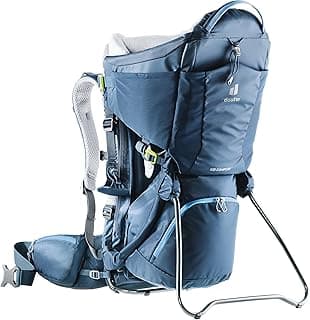
While soft carriers are undeniably fantastic for everyday walks, errands, and short jaunts, the demands of serious hiking — uneven terrain, longer distances, and the need for sustained comfort and safety — necessitate a more specialized solution: a well-designed frame pack. These robust carriers are engineered to distribute weight efficiently, protect your child, and ensure the adult wearer remains comfortable and stable over varied landscapes.
The Essential Gear: Why a High-Quality Frame Pack Matters
Investing in high-quality outdoor gear is paramount when venturing into nature with your baby. It's not merely about convenience; it's about safety, comfort, and optimizing the experience for both parent and child. Cheap, poorly designed carriers can lead to parental injury (back pain, strains), improper child positioning, and a host of safety risks. This is where specialized equipment like the Deuter Kid Comfort shines, offering a sophisticated blend of ergonomics, safety features, and durability.
The Deuter Kid Comfort is a prime example of a carrier built for the rigors of the trail. Its design philosophy centers around a crucial principle: efficient weight transfer. Unlike soft carriers that can strain your shoulders and upper back over extended periods, the Deuter Kid Comfort incorporates an advanced suspension system that masterfully redirects the baby's weight to your hips. This biomechanically sound approach leverages the strong skeletal structure of your pelvis, keeping your back cool, free from excessive strain, and remarkably pain-free, even after miles on the trail. This translates not just to comfort, but to improved balance and reduced fatigue, critical elements for safe hiking.
Why We Champion the Deuter Kid Comfort
Among its many thoughtful features, one stands out for its practical genius and significant safety contribution: the integrated kickstand.
The Genius of the Kickstand: Safety and Convenience Unpacked
Imagine needing to take a quick break on the trail, tie your shoe, grab a snack, or simply adjust your layers. With many carriers, this means carefully removing your baby, finding a safe place to lay them down, or relying on another adult to hold them. The Deuter Kid Comfort's kickstand eliminates this predicament entirely. You can safely set the pack down with your baby still securely inside. This robust, stable base allows you to:
- Take a Hands-Free Break: Rest your shoulders, stretch, or enjoy a scenic view without juggling your child.
- Safe Loading/Unloading: It provides a stable platform for buckling your child in or taking them out, significantly reducing the risk of drops or tumbles. This is particularly crucial when you're on uneven terrain or alone.
- On-the-Go Adjustments: Easily reach for items in the storage compartments, adjust straps, or attend to your own needs without disturbing your sleeping or content child.
This seemingly simple feature is a testament to the practical, parent-centric design that defines high-quality outdoor gear. It enhances both safety and convenience, allowing for a more relaxed and enjoyable hiking experience.
Key Specifications: Understanding What Powers Your Adventure
Delving into the specifications helps you understand the engineering behind the comfort and safety.
Max Weight: Supporting Growth and Gear
- 48 lbs (Child + Gear): This impressive weight capacity is a critical factor for longevity and utility. It means the carrier can comfortably accommodate your growing child for several years, often from around 6 months (or when they have strong head and trunk control, typically 16 lbs) up to toddlerhood. Importantly, this limit includes not just your child's weight but also any gear you pack (diapers, wipes, food, water, extra layers). Always adhere strictly to the manufacturer's weight limits to ensure the safety and structural integrity of the carrier. As your child grows, regularly check their fit and comfort, ensuring they are not exceeding the carrier's capacity.
Ventilation: The Aircomfort Mesh Back System
- Aircomfort Mesh Back: One of the most common complaints of carrying a child, especially in warm weather or during strenuous activity, is a sweaty back. Deuter addresses this with their renowned Aircomfort mesh back system. This isn't just a basic mesh panel; it’s a sophisticated tensioned mesh that creates a significant air gap between the carrier's back panel and your actual back. This ingenious design allows for three-sided ventilation, preventing heat buildup and promoting airflow. The result is a dramatically cooler, drier back, which translates directly to enhanced comfort and reduced fatigue, allowing you to hike longer and more pleasantly.
Storage: Essential Cargo Space
- 14L of Cargo Space: When hiking with a baby, you become a mobile supply station. 14 liters of dedicated cargo space is a generous amount, allowing you to carry all the essentials:
- Diapering Supplies: Diapers, wipes, changing pad, disposal bags.
- Feeding Essentials: Bottles, formula/breast milk, snacks for older babies, water.
- Clothing: Extra layers for both baby and parent, considering weather changes.
- Safety Items: First aid kit, sun hat, sunscreen, insect repellent.
- Comfort Items: A favorite toy, pacifier. Having sufficient, well-organized storage means fewer stops and less stress, keeping your focus on the trail and your baby.
Extras: Protection and Thoughtful Touches
- Sun Roof Included: Protecting your baby from the elements is non-negotiable. The integrated sun roof provides crucial UPF protection from harmful UV rays, preventing sunburn and overheating. This feature is often an expensive add-on with other carriers, making its inclusion with the Deuter Kid Comfort a significant value. Many high-quality carriers also offer rain covers (often sold separately) for complete weather protection, which is a wise addition for unpredictable conditions.
The GooGaia Perspective: Scientific Context and Developmental Benefits
Beyond the gear, let's explore the profound benefits of hiking with your baby, grounded in developmental science.
Nature's Classroom: Sensory and Cognitive Development
Exposure to nature offers an unparalleled sensory feast for infants. The rustling of leaves, the chirping of birds, the scent of pine, the changing light, the gentle sway of your movement – all these contribute to rich neurological development. Studies show that early exposure to diverse sensory environments can positively impact brain development, foster curiosity, and even lay groundwork for later cognitive skills. For a baby, a trail is a dynamic, ever-changing environment far more stimulating than a living room.
Physical Well-being and Immune System Support
While your baby isn't actively walking, the gentle jostling and varied movements of being carried on a hike can stimulate their vestibular system, aiding in balance and spatial awareness development. Moreover, spending time outdoors exposes babies to a broader microbial environment, which some research suggests can contribute to a stronger, more robust immune system.
The Power of Connection: Bonding in the Wilderness
Hiking together strengthens the parent-child bond. The shared experience, the close physical proximity in the carrier, and the focused attention parents naturally give in an outdoor setting deepen attachment. This dedicated, unplugged time in nature fosters emotional security and provides a unique backdrop for meaningful interactions.
Parental Well-being: A Benefit for All
Let's not forget the parents! Hiking offers significant mental and physical health benefits for caregivers, who often face high stress levels and limited opportunities for self-care. Physical activity, especially outdoors, is a proven mood enhancer, reduces anxiety, and can combat postpartum depression. Reconnecting with nature and engaging in a beloved activity can be incredibly revitalizing, making you a more patient and present parent.
Practical Parent-to-Parent Tips for Happy Trails
From one parent to another, here’s how to make your hiking adventures smooth and enjoyable:
- Start Small: Begin with shorter, flatter trails to gauge your baby’s tolerance and your own endurance. Gradually increase distance and difficulty.
- Pack Smart, Pack Light: Prioritize essentials (diapers, wipes, food, water, first aid, sun/rain protection, extra layers). Use packing lists and check them twice. Remember, every ounce adds to your load.
- Dress for Success: Layer your baby’s clothing to adapt to changing temperatures. Consider merino wool or synthetic fabrics for moisture-wicking properties. Always bring a hat (sun or warm, depending on weather) and mittens if it's chilly. Check their temperature regularly by touching their neck or tummy.
- Hydration is Key: For yourself, carry plenty of water. If breastfeeding, you'll need extra. For formula-fed babies, pre-measure formula and bring sterile water. For babies over 6 months, offer sips of water regularly.
- Feed on Demand: Don't let hunger be a reason to cut a hike short. Find a scenic spot, use the kickstand, and feed your baby.
- Sun & Bug Protection: Use a wide-brimmed hat and apply baby-safe sunscreen (for babies over 6 months) or position the carrier's sunshade. Consider bug netting for the carrier and appropriate insect repellent for exposed skin, following pediatric recommendations for age.
- Nap Time is Trail Time: Many babies find the rhythmic motion of hiking incredibly soothing and will nap soundly. Plan your longer hikes around their sleep schedule if possible.
- Regular Check-Ins: Periodically stop to check your baby's comfort. Are they too hot/cold? Do they need a diaper change? Are they content or fussy? Their cues are your guide.
- Listen to Your Body (and Your Baby’s): If you're feeling too tired or your baby is unusually fussy and cannot be comforted, it's okay to turn back. There will always be another hike. Pushing yourselves past comfort limits can make the experience negative for everyone.
Expert Tips: Safety First and When to Call the Doctor
Your baby's safety and well-being are paramount.
Prioritizing Safety on the Trail
- Proper Fit: Ensure the carrier is adjusted correctly for both you and your baby. The baby should be seated ergonomically, with knees higher than their hips (M-position), and the parent's hip belt should be snug and resting on the iliac crest. A properly fitted carrier prevents chafing, improves weight distribution, and ensures baby's proper development.
- Trail Selection: Choose well-maintained, relatively flat trails to start. Avoid overly rocky, steep, or technical terrain until both you and your baby are experienced and comfortable. Check weather forecasts and trail conditions before heading out.
- Emergency Preparedness: Always carry a fully charged phone, a basic first aid kit (with baby-specific items), and know your route. Inform someone of your hiking plans and expected return time.
- Hydration and Nutrition for Baby: Ensure your baby is well-hydrated and fed before and during the hike. Dehydration can happen quickly, especially in warmer weather.
- Weather Awareness: Be prepared for sudden changes in weather. Rain, wind, or unexpected temperature drops can quickly turn a pleasant hike into a dangerous situation.
- Stranger Awareness: While rare, be mindful of your surroundings and any unfamiliar individuals, especially in remote areas.
When to Call the Doctor
While hiking is generally safe, it's crucial to monitor your baby closely for any signs of distress or illness. Seek medical attention if your baby exhibits:
- Signs of Dehydration: Fewer wet diapers, dry mouth, no tears when crying, sunken soft spot, unusual lethargy.
- Signs of Heatstroke: Excessive sweating followed by cessation of sweating, hot and dry skin, irritability, confusion, rapid breathing, fever, vomiting.
- Signs of Hypothermia: Shivering (if old enough), cold skin to touch (especially core), lethargy, weak cry, pale or bluish skin.
- Significant Injury: Any fall, head trauma, or visible injury that causes distress or impairs movement.
- Unexplained Persistent Crying: If your baby is inconsolable despite being fed, changed, and comfortable.
- Difficulty Breathing: Wheezing, very rapid breathing, or visible effort to breathe.
- Unusual Rashes or Allergic Reactions: Especially after insect bites or exposure to plants.
When in doubt, it's always best to err on the side of caution and consult a healthcare professional.
Real Parent Review: A Testament to Comfort and Performance
"We hiked 8 miles in Yosemite. My son slept for 2 hours in it. My back felt fine."
This succinct review encapsulates the core benefits of a premium carrier like the Deuter Kid Comfort. Eight miles with a baby is a significant distance, especially in a challenging environment like Yosemite. The fact that the child was able to sleep for two hours speaks volumes about the comfort and security provided by the pack, creating a serene environment even amidst movement. Most importantly, the parent's back felt fine – a direct endorsement of the sophisticated suspension system and ergonomic design. This isn't just a testimonial; it's a real-world validation of the carrier's superior performance under demanding conditions.
Verdict: An Investment in Outdoor Family Life
The Deuter Kid Comfort is undeniably an investment, but for families passionate about the outdoors, it is an investment that pays dividends in comfort, safety, and shared experiences. Its superior comfort for the adult wearer, robust safety features, and intelligent design make it the gold standard for hiking with a baby. It transforms what could be a physically taxing and logistically challenging endeavor into a joyful and accessible family activity. Choosing such a high-quality carrier empowers you to confidently introduce your child to the beauty and benefits of nature from an early age, creating cherished memories for years to come.