The $3 Duck That Prevents Burns
Navigating the beautiful, yet often overwhelming, journey of parenthood means constantly balancing joy with an acute awareness of safety. From childproofing cabinets to car seat vigilance, a parent's radar is perpetually scanning for potential hazards. Among these, an often-underestimated danger lurks in one of childhood's most cherished rituals: bath time. The seemingly simple act of drawing a warm bath holds a hidden complexity, where what feels perfectly comfortable to an adult's hand can inflict a serious burn on a child's delicate skin. This is where an ingenious, affordable solution, often disguised as a cheerful bath toy, steps in – the safety duck.
Understanding Pediatric Skin and Thermal Sensitivity
The instinct to protect our children is profound, yet the specific vulnerabilities of their developing bodies are not always intuitively obvious. When it comes to temperature, especially hot water, a child's skin is remarkably different from an adult's, making them acutely susceptible to scalds.
Why Children Are More Vulnerable to Burns
A child's skin is not merely a smaller version of adult skin; it possesses distinct characteristics that amplify the risk of thermal injury:
- Thinner Epidermis: The outermost layer of a child's skin (epidermis) is significantly thinner than an adult's. This means less protective barrier between external temperatures and the underlying, sensitive tissues.
- Higher Surface Area to Volume Ratio: Infants and young children have a larger body surface area relative to their weight. This allows for more rapid heat absorption and faster cooling (or overheating) of their body, making them more vulnerable to severe, widespread burns.
- Immature Thermoregulation: A baby's ability to regulate its own body temperature is not fully developed. They cannot effectively dissipate heat, meaning a prolonged exposure to even moderately hot water can quickly lead to overheating and burns.
- Slower Reaction Times: Unlike adults who can instinctively withdraw from painful stimuli, infants and toddlers have slower motor responses and may not be able to pull themselves out of dangerously hot water quickly enough to prevent injury. They also lack the verbal ability to communicate their discomfort effectively.
The Dangers of Hot Water Scalds
Scald burns, which are burns caused by hot liquids or steam, are among the most common types of burns in young children. The severity of a burn depends on both the temperature of the water and the duration of exposure. What might seem like a mere second in hot water can result in a devastating injury for a child.
- 120°F (49°C): This temperature can cause a full-thickness (third-degree) burn in approximately 10 minutes.
- 130°F (54°C): A third-degree burn can occur in just 30 seconds.
- 140°F (60°C): A mere 5 seconds of exposure can lead to a third-degree burn.
- 150°F (66°C): A third-degree burn can occur in as little as 2 seconds.
Consider that typical home water heaters are often set between 120-140°F (49-60°C) – temperatures that can inflict severe, life-altering burns in moments. These burns are not only incredibly painful but can lead to extensive scarring, requiring multiple surgeries, prolonged hospital stays, and significant psychological trauma for both the child and family. Preventing such an injury, therefore, becomes paramount.
The Ideal Bath Temperature: A Scientific Consensus
Pediatric experts universally recommend an ideal bath water temperature for infants and young children to be between 98°F and 100°F (37°C and 38°C). This range is comfortably warm, mimics body temperature, and significantly reduces the risk of scalds. The seemingly small difference between 100°F and 104°F (40°C) is where the safety duck becomes an indispensable guardian. While 104°F might not immediately cause a severe burn, it is considered the absolute maximum safe threshold for prolonged exposure for infants and toddlers and serves as a critical warning sign that the water is too hot and needs to be cooled.
The Genius of Simplicity: How a Duck Saves the Day
Amidst the myriad of high-tech baby gadgets, it's often the simplest innovations that offer the most profound impact on safety. The humble bath safety duck is a prime example of this brilliance. It's not just a toy; it's a silent sentinel, a first line of defense against one of the most preventable childhood accidents.
Decoding the Disc: A Visual Safety Signal
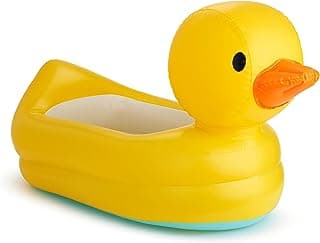
The magic lies in its unassuming blue disc, subtly integrated into the bottom of the duck. This disc employs thermochromatic technology, a scientific marvel that allows it to change color in response to temperature fluctuations. When the bath water exceeds approximately 104°F (40°C), this blue disc visibly transforms, spelling out 'HOT'.
This visual cue is incredibly effective for several reasons:
- Instantaneous Feedback: There's no waiting for a digital readout, no complex interpretation. The 'HOT' signal is immediate and unambiguous.
- Universal Understanding: A simple word and a color change transcend language barriers and cognitive complexities, making it a clear indicator for any caregiver.
- Overcoming Sensory Deception: Our hands, especially after a long day or when accustomed to different temperatures, are notoriously unreliable thermometers for sensitive baby skin. The duck removes this guesswork entirely, relying on precise thermal measurement rather than subjective sensation.
Beyond the Basics: Why Every Parent Needs This Tool
In the whirlwind of daily parenting, multitasking isn't a choice; it's a necessity. From preparing meals to managing laundry, a parent's attention is constantly divided. This makes simple, passive safety measures invaluable. The bath safety duck integrates effortlessly into the bath routine, requiring no extra thought or action beyond placing it in the water. It’s a silent partner that takes one significant worry off a parent’s plate, allowing them to focus on the joy and bonding that bath time should bring.
More Than a Toy: Unpacking the Benefits
The bath safety duck isn't just a clever gimmick; it's a thoughtfully designed tool that addresses several practical parenting needs, blending safety with everyday convenience.
Eliminating Guesswork: Precision for Peace of Mind
The classic "elbow test" or "wrist test" is often recommended for checking bath water temperature. While well-intentioned, these methods are inherently flawed. The skin on an adult's elbow or wrist is thicker and less sensitive than a baby's delicate skin, and our perception of temperature can vary widely based on recent exposure or individual tolerance. What feels "just right" to an adult can still be dangerously hot for an infant.
The safety duck replaces this subjective guesswork with objective, scientific measurement. Its thermochromatic indicator is calibrated to a specific critical threshold, providing an accurate and reliable warning. This precision translates directly into peace of mind for parents, knowing they are providing a safe environment for their child.
Hygiene and Durability: Design Matters
Beyond its primary safety function, the design of the safety duck addresses common practical concerns for bath toys:
- Watertight Construction: A significant frustration with many bath toys is their tendency to accumulate water internally through small holes. This creates a perfect breeding ground for mold and mildew, posing potential health risks and requiring frequent replacement. The bath safety duck's watertight, sealed design is a game-changer, preventing water ingress and thus inhibiting mold growth. This means a healthier play environment and a longer lifespan for the toy.
- Floats Upright: The duck is designed to float upright consistently. This isn't just for aesthetic appeal; it ensures the temperature-sensitive disc is always submerged and visible, providing continuous monitoring and an unobstructed view of the 'HOT' warning.
- High-Quality Materials: While this particular duck is simple, the importance of high-quality, non-toxic materials cannot be overstated for any product that comes into contact with a child. For this type of safety device, look for products made from BPA-free, phthalate-free, and lead-free materials, ensuring that while it prevents burns, it doesn't introduce other hazards.
When selecting any product for your child, especially one designed for safety, it's crucial to prioritize quality and trust reputable brands. Even for a simple item like a bath thermometer, ensuring it's made from safe, durable materials and meets relevant safety standards offers an additional layer of assurance.
Technical Details for Informed Choices
Understanding the specifications of any safety tool empowers parents to make informed decisions. The bath safety duck, while straightforward, has key features that contribute to its efficacy.
Indicator Threshold: Understanding 104°F
The chosen threshold of approximately 104°F (40°C) is not arbitrary. As discussed, while the ideal bath temperature is lower (98-100°F), 104°F marks a critical point where water can rapidly become dangerous for a child. This temperature serves as an urgent warning, indicating that immediate action is needed to cool the water down. It provides a crucial buffer, giving parents time to react before the temperature escalates to truly damaging levels.
Robust Construction: Built for Bathtime
- No Batteries Required: This is a significant advantage. Battery-operated devices can fail due to water damage, battery depletion, or electronic malfunction. The mechanical, thermochromatic nature of the safety duck means there are no batteries to replace, no circuits to short, and no power source to fail. This ensures consistent, reliable operation over time, reducing maintenance and environmental impact.
- Durability: Made typically from resilient, child-safe plastics or rubber, these ducks are designed to withstand the rigors of daily bath time, including drops, splashes, and enthusiastic play. Their robust construction contributes to their longevity and ongoing reliability as a safety device.
Affordability: Safety Shouldn't Be a Luxury
Perhaps one of the most compelling aspects of this safety duck is its accessible price point, often around $3. In a world where essential baby gear can quickly accumulate into significant expenses, a crucial safety device being this affordable is a testament to its democratic design. It removes financial barriers to essential child safety, making it an accessible and vital tool for virtually every family.
The Parent Perspective: Real-World Reassurance
The true test of any parenting product lies in its real-world application and the feedback from those who use it daily.
Validated Trust: When Parents Put it to the Test
The sentiment often echoed in parent reviews – "I verified it with a digital thermometer and it was spot on. Cheapest peace of mind ever." – speaks volumes. This highlights several key points:
- Natural Skepticism: Parents are often (rightly) skeptical of simple solutions, especially when it comes to child safety. They want assurance that a product actually works.
- Verification Builds Confidence: When parents take the initiative to cross-reference the duck's reading with a precise digital thermometer and find it accurate, it validates their trust in the product. This real-world verification reinforces its reliability.
- The Value of Peace of Mind: For parents, the true currency is peace of mind. Knowing that a small, inexpensive item can reliably prevent a potentially devastating injury offers invaluable reassurance. It's an investment in safety that pays dividends in emotional well-being and stress reduction.
This shared experience underscores the duck's efficacy and its role in easing the mental load of parenting. It's a simple tool that resonates deeply with the core parental desire to keep children safe, without adding complexity or expense.
Beyond the Duck: Holistic Bath Safety Strategies
While the safety duck is an excellent first line of defense, it's part of a broader strategy for ensuring a safe and enjoyable bath time. Comprehensive safety involves a combination of tools, practices, and vigilance.
Setting Up for Success: Best Practices for Bath Time
- Always Test Water Before Baby Enters: Even with the duck, a quick check of the water's overall warmth and consistency is wise. Swirl the water to eliminate hot spots.
- Fill Cold Water First, Then Add Hot: When drawing a bath, always start by filling the tub with cold water, then gradually add hot water until the desired temperature is reached. This prevents accidental scalding if a child were to fall or reach into the tub during filling.
- Never Leave a Child Unattended, Even for a Second: This is the golden rule of bath safety. A child can drown in as little as an inch or two of water, silently and in seconds. If you must leave the room, wrap your child in a towel and take them with you.
- Gather All Supplies Before Starting the Bath: Have towels, soap, shampoo, and fresh clothes within arm's reach before you even begin filling the tub. This eliminates any temptation to step away.
- Adjust Home Water Heater Temperature (Expert Tip): The most effective preventative measure is to lower your home water heater thermostat to no higher than 120°F (49°C). This significantly reduces the risk of serious scalds throughout your home, not just in the bath. Consult a professional if you're unsure how to adjust your water heater safely.
- Use Non-Slip Mats: In the tub and on the bathroom floor, non-slip mats can prevent slips and falls, especially as children become more mobile.
- Supervise Older Children Helping with Baths: If an older sibling is helping with bath time, ensure they understand the importance of water temperature and constant supervision.
When to Call the Doctor: Recognizing and Responding to Burns
Despite our best efforts, accidents can happen. Knowing when to seek professional medical attention for a burn is crucial.
Immediately seek emergency medical care (call 911 or your local emergency number) if:
- The burn is deep (appears white, leathery, or charred).
- The burn is larger than the palm of the child's hand.
- The burn causes blisters and is larger than a quarter.
- The burn is on the face, hands, feet, genitals, or across a major joint.
- The child is showing signs of shock (faintness, pale skin, shallow breathing).
- The burn is causing difficulty breathing.
- You suspect child abuse.
Consult your pediatrician if:
- The burn is blistering, even if small.
- The child is in significant pain.
- You are unsure of the burn's severity.
- The burn shows signs of infection (increasing redness, swelling, pus, fever).
First Aid for Minor Burns (First-degree burns, small second-degree burns):
- Cool the Burn: Immediately hold the affected area under cool (not cold or ice) running water for 10-20 minutes. This helps stop the burning process and reduce pain. Do NOT use ice, butter, or home remedies.
- Cover Loosely: After cooling, gently cover the burn with a clean, dry, non-stick dressing. Do not apply adhesive directly to the burn.
- Pain Relief: Over-the-counter pain relievers like acetaminophen or ibuprofen (appropriate for age and weight) can help manage discomfort.
The Final Word: Essential Safety for Every Family
In the vast landscape of parenting challenges, solutions that offer profound safety benefits with minimal effort and expense are truly invaluable. The bath safety duck embodies this principle perfectly. It transcends its identity as a simple bath toy, evolving into an indispensable safety device that every bathtub, and every family, truly needs.
It's a proactive measure, a simple act of prevention that safeguards against a potentially devastating injury. By integrating this small, cheerful guardian into your bath time routine, you're not just buying a $3 duck; you're investing in critical peace of mind, ensuring your child's bath time remains a cherished ritual of warmth, joy, and, most importantly, safety.