Save Your Floors: BapronBaby Splash Mat
Embracing the Beautiful Mess: Why Mealtime Mayhem is a Developmental Must-Have
As pediatric specialists and parents ourselves, we understand the delicate balance between fostering a child's natural curiosity and maintaining a semblance of order in your home. Few areas of parenting highlight this tension more acutely than mealtimes. The joy of watching your little one explore new tastes and textures can quickly be overshadowed by the dread of scrubbing pureed carrots from grout lines or scraping dried oatmeal from under the high chair. But what if we told you that the mess isn't just unavoidable, but actually beneficial for your child's development, and that managing it doesn't have to be a Herculean task?
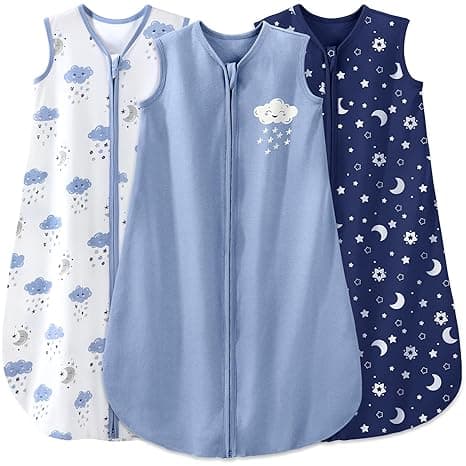
Yoofoss Baby Sleep Sack 0-6 Months Baby Wearable Blanket 100% Organic Cotton 2-Way Zipper TOG 0.5 Toddler Sleeping Sack 3, Lightweight Sleep Sacks for Babies
100% Cotton Imported 100% Organic Cotton: Soft, breathable, and gentle on sensitive skin, our sleep sack is made from high-quality cotton. Certified by the Global Organic Textile Standard (GOTS), we prioritize your baby’s comfort and safety. Smooth 2-Way Zipper: Our sleep sack double zipper makes midnight diaper change easily. The interior zipper guard and top zipper cover protect any scratches or discomfort from baby's delicate skins, ensuring the safety of your beloved baby. Roomy Places: The arm and neck openings sized for a perfect fit, the leg room carefully sized for baby to move around freely, but cannot be kicked off, so baby stays warm all night. The sleeping sack is great for promoting healthy hip development. 3-Pack Features: The package comes with 3 pack sleep sack for baby, so that baby always has one to wear to bed. The 3 colors are suitable for both baby boys and girls, which is perfect as baby registry. Essential Baby Item: Baby sleep sacks are good for everyday use, it will help baby get longer sound night’s sleep. There are 4 sizes available for your choices. S for 0-6 Months. M for 6-12 Months. L for 12-18 Months. XL for 18-24 Months.
For generations, parents have grappled with the inevitable culinary chaos that accompanies introducing solids and encouraging self-feeding. The reality is, babies and toddlers learn by doing – and that often means learning by making a mess. They poke, prod, squish, and smear food, not out of naughtiness, but out of a deep-seated need to understand their world through all their senses.
The Developmental Symphony of Messy Eating
From a developmental perspective, allowing children to engage with their food in a "messy" way is paramount. This isn't just about fun; it's about crucial brain and body development.
Sensory Exploration and Integration
Imagine a baby encountering a ripe avocado for the first time. They don't just taste it; they touch its creamy texture, smell its subtle aroma, and see its vibrant green hue. This multi-sensory experience is fundamental to how children learn about different foods. Research suggests that early and varied sensory exposure to foods can lead to children being more adventurous eaters and less prone to pickiness later in life. When we restrict mess, we inadvertently restrict these vital sensory learning opportunities.
Fine Motor Skills and Hand-Eye Coordination
The act of picking up a piece of pasta, scooping yogurt with a spoon, or even smearing mashed potatoes across a tray, is a sophisticated exercise in fine motor skill development. The pincer grasp, hand-eye coordination, and the motor planning required for self-feeding lay the groundwork for skills like writing, drawing, and using utensils effectively. Every dropped pea, every missed bite, is a learning opportunity for improved precision and control.
Fostering Independence and Autonomy
Allowing children to feed themselves, even imperfectly, instills a sense of independence and autonomy. They learn to listen to their own hunger cues, make choices about what and how much they want to eat (within healthy boundaries), and develop a positive relationship with food. This self-efficacy is a cornerstone of confidence and self-esteem.
Language and Cognitive Development
Mealtime is also a rich environment for language development. Parents naturally narrate the experience: "This is a soft banana," "You're picking up a red strawberry," "Let's use the spoon!" This constant stream of descriptive language helps children build their vocabulary and comprehension. Cognitive skills like problem-solving (how to get the food from plate to mouth) and cause-and-effect (if I drop this, it falls) are also honed.
The Parental Predicament: Balancing Development with Domestic Harmony
While the developmental benefits are clear, the reality for parents is often one of stress and exhaustion. The constant clean-up can lead to:
- Parental Burnout: The added chore of daily deep-cleaning floors, high chairs, and even walls can contribute significantly to parental stress, diminishing the joy of family mealtimes.
- Restricting Exploration: Out of sheer desperation to avoid mess, parents might inadvertently limit their child's self-feeding opportunities or restrict their food choices to "less messy" options, thereby hindering the very developmental processes we just discussed.
- Unhygienic Environments: Lingering food particles can attract pests and become a breeding ground for bacteria, especially in warm, damp kitchen environments. Thorough and frequent cleaning is essential, but time-consuming.
- Damage to Home Furnishings: Spaghetti sauce on a white rug, fruit stains on hardwood, or permanent marker from an impromptu artistic moment during snack time can cause lasting damage, leading to expensive repairs or replacements.
This is where smart parenting tools become invaluable – not just as conveniences, but as facilitators of healthy development.
The Savvy Solution: Introducing the High-Quality Splash Mat
It's clear that the path to peaceful, developmentally-rich mealtimes doesn't lie in preventing mess, but in expertly managing it. This is precisely why a high-quality splash mat has become an indispensable item for modern families. It bridges the gap between allowing your child to explore freely and maintaining a clean, hygienic home environment.
Instead of facing the dilemma of scrubbing your floors after every meal, or letting sticky residues accumulate, you have a simple, effective solution. A well-designed splash mat catches the inevitable "carnage" – the dropped food, the spilled milk, the art project gone rogue – and makes cleanup a breeze. It transforms a potential source of stress into an opportunity for carefree exploration.
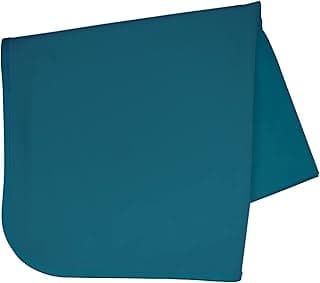
BapronBaby Splash Mat
WATERPROOF & DURABLE: BapronBaby's unique soft-yet-waterproof fabric is a polyester that is fused to a buttery soft waterproof layer that won't peel or come apart. Measures 45" x 45". Mats can be trimmed/cut down to make smaller and will not fray.
The BapronBaby Splash Mat exemplifies the kind of high-quality product that empowers parents to embrace messy play without sacrificing their sanity or their home's cleanliness. It's more than just a floor protector; it's an investment in smoother mealtimes, expanded developmental opportunities, and greater peace of mind for parents.
Unpacking the Essentials: Features That Define a Superior Splash Mat
When selecting a splash mat, the devil is truly in the details. The right features elevate a simple floor covering to an essential parenting tool. Here's why the characteristics of the BapronBaby Splash Mat stand out, addressing common parental pain points with thoughtful design.
Superior Material Science: Waterproof & Stain-Resistant
At the core of any effective splash mat is its material. The BapronBaby Splash Mat's robust construction ensures it is both waterproof and stain-resistant.
- Impenetrable Protection: Being truly waterproof means no liquid – whether it's spilled water, milk, or a pureed fruit concoction – will seep through to your precious flooring. This protects hardwood, carpet, rugs, and tile from moisture damage and permanent staining, which can be costly and frustrating.
- Stain-Defying Durability: The stain-resistant quality is equally crucial. Toddler food often involves vibrant, deeply pigmented ingredients like berries, tomatoes, and beets, which are notorious for leaving lasting marks. A good mat repels these stains, keeping it looking fresh and hygienic even after multiple messy encounters.
- Expert Tip: Prioritize Safety & Sustainability: When evaluating materials, always look for certifications that guarantee the product is free from harmful chemicals like BPA, phthalates, and lead. Many high-quality mats, like the BapronBaby, use food-grade, OEKO-TEX certified fabrics, ensuring they are safe for your child and the environment.
Effortless Clean-Up: Machine Washable & Shake Clean Convenience
The best feature of a splash mat isn't just that it catches the mess, but that it makes the mess disappear with minimal effort.
- The Power of "Shake Clean": For dry crumbs or larger pieces of food, the ability to simply shake the mat clean into a sink or trash can is a game-changer. This instant removal prevents food from sticking and reduces the amount of residue that needs deeper cleaning. It’s perfect for quick clean-ups between meals or snacks.
- Machine Washable Magic: For bigger spills or general hygiene, being machine washable is non-negotiable. This feature ensures a thorough clean, eliminating bacteria and lingering odors. Simply toss it in with your regular laundry (following care instructions) and it comes out fresh and ready for the next mealtime adventure. This saves invaluable time compared to hand-scrubbing floors, which can be a back-breaking task.
- Parent-to-Parent Tip: Have two mats on hand if possible. While one is in the wash, you’ll have a clean one ready to go. This can be a lifesaver for busy households with multiple messy eaters or frequent mealtimes.
Designed for Life on the Go: Unrivaled Portability
Modern parenting is often mobile, and your essential gear needs to keep up.
- Folds Down Small: The capacity to fold down small enough to fit into a diaper bag isn't just a convenience; it's a necessity for families who are always on the move. This means you can maintain your clean-up routine and protect surfaces whether you're at a friend's house, grandma's, or out to eat.
- Restaurant Ready: Dining out with toddlers can be fraught with anxiety, especially concerning the mess. Bringing your own splash mat ensures you can protect restaurant floors and tables, making the experience more relaxed for everyone and showing courtesy to staff.
- Versatile Travel Companion: Beyond just restaurants, its portability makes it ideal for picnics in the park, beach trips, or even just setting up a temporary play zone in a hotel room.
Beyond the High Chair: The Versatile Uses of Your Splash Mat
A high-quality splash mat isn't just for mealtimes. Its durable, waterproof, and easy-to-clean nature makes it incredibly versatile, extending its value far beyond the dining table.
- Art and Craft Station: Protect your floors from paint, glitter, glue, and playdough. Lay the mat down, unleash your child's creativity, and simply wipe or wash away the remnants.
- Sensory Play Zone: From water tables to sand play, a splash mat provides a contained area for messy sensory activities, allowing children to explore without turning your living room into a swamp or a sandbox.
- Potty Training Protector: Accidents happen! Place a mat under a potty chair or in key "danger zones" to protect carpets and flooring during the potty-training journey.
- Outdoor Adventures: Perfect for impromptu picnics, protecting clothes during outdoor water play, or as a clean surface for tummy time in the garden.
- Car & Stroller Shield: Use it to protect car seats or stroller fabrics from snack crumbs, juice spills, or muddy shoes.
Cultivating Positive Mealtime Habits: Expert-Backed Parent-to-Parent Tips
While a splash mat handles the physical mess, fostering positive mealtime habits requires a holistic approach. As pediatric experts, we emphasize creating an environment that supports healthy eating and family connection.
- Start Early with Self-Feeding: Introduce finger foods (appropriately sized and textured for safety) as soon as your child shows interest, typically around 6-9 months. This encourages exploration and independence.
- Offer Variety and Exposure: Repeated exposure to a wide range of healthy foods is key. Don't give up if a child initially rejects a food; it can take 10-15 exposures before acceptance.
- Make Mealtimes a Family Affair: Eat together as a family whenever possible. Children learn by watching and imitating. Model healthy eating habits and positive interactions.
- Involve Children in Age-Appropriate Cleanup: Even toddlers can help by putting their plate in the sink or wiping their hands. As they get older, they can help shake the mat clean. This fosters responsibility and appreciation.
- Focus on the Experience, Not Just Consumption: Shift the focus from "how much did they eat?" to "how was the mealtime experience?" Keep it positive, calm, and free from power struggles.
- Respect Hunger Cues: Allow your child to decide how much they want to eat. Parents provide the "what," "when," and "where"; children decide the "how much." Avoid pressuring them to "clean their plate."
- Expert Tip: Beware of Choking Hazards: Always supervise children during meals. Avoid common choking hazards like whole grapes, hot dogs, nuts, popcorn, and large chunks of meat or cheese until children are older and can chew effectively. Cut food into small, manageable pieces.
When to Call the Doctor
While messy eating is normal, certain feeding concerns warrant professional evaluation:
- Concerns about growth or weight gain/loss.
- Persistent refusal of entire food groups.
- Signs of an allergic reaction (hives, swelling, difficulty breathing, vomiting, diarrhea) after eating certain foods.
- Frequent gagging or choking that seems beyond typical toddler clumsiness, which could indicate a swallowing difficulty.
- Extreme mealtime battles that are significantly impacting family dynamics or your child's nutritional intake.
The GooGaia Verdict: An Essential Investment in Family Well-being
In the dynamic world of parenting, finding tools that genuinely simplify life while simultaneously promoting healthy development is a rare gem. The BapronBaby Splash Mat, and others of its high-quality caliber, is precisely one such essential. It's not merely a piece of fabric; it's a strategic ally in your parenting journey.
It frees you from the tyranny of constant scrubbing, allowing you to relax and enjoy the precious, fleeting moments of your child's exploratory phases. It safeguards your home, preserving your peace of mind and potentially saving you money on floor damage. Most importantly, it empowers you to say "yes" to messy play, "yes" to self-feeding, and "yes" to a richer, more adventurous eating experience for your child.
For any parent navigating the beautiful, chaotic, and utterly fulfilling journey of raising young children, a high-quality splash mat is more than a convenience – it is an indispensable investment in family harmony, developmental support, and simply, a cleaner, happier home.