The Kitchen Counter Staple: Boon Grass
The Kitchen Counter Staple: Boon Grass – More Than Just a Drying Rack
Parenthood, especially in its early stages, is a beautiful symphony of joy, wonder, and, let's be honest, an overwhelming amount of gear. The kitchen counter, once a serene landscape for culinary creations, often transforms into ground zero for bottle parts, pump components, pacifiers, and a myriad of other tiny, crucial items. This isn't just about clutter; it's about the relentless cycle of feeding, cleaning, and sanitizing that dominates a new parent's day. As pediatric specialists and fellow parents at GooGaia, we understand this juggle intimately. That's why we advocate for solutions that are not only functional but also contribute to a smoother, more hygienic, and less stressful daily routine.
The Boon Grass drying rack, often seen as a charming patch of green on countless kitchen counters, is far more than just a novelty item. It represents a thoughtful approach to a universal parenting challenge, transforming chaos into order and ensuring the hygiene that is paramount for our little ones.
The Unseen Chaos: Why Bottle Parts Dominate Our Lives and Kitchens
Before we delve into solutions, let's truly acknowledge the problem. Infant feeding, whether by bottle or breast pump, generates a surprising volume of small, intricate parts. Nipples, valves, flanges, caps, collars – each component plays a vital role, and each requires meticulous cleaning and drying.
The Mental Load of Infant Feeding
This constant demand for washing and organizing adds significantly to the parental mental load. It's not just the physical act of cleaning; it's the cognitive burden of remembering which parts are clean, which are drying, and which still need attention. A disorganized kitchen counter can exacerbate feelings of overwhelm, turning a simple act of preparedness into a source of stress. For new parents, whose sleep is fragmented and energy often depleted, streamlining these routine tasks is not a luxury, but a necessity for their own well-being, which in turn positively impacts their ability to care for their child.
The Silent Threat: Moisture and Molds
Beyond the clutter, there's a more critical concern: hygiene. Any surface that remains wet or damp for extended periods becomes a potential breeding ground for bacteria, mold, and yeast. For infants, whose immune systems are still developing and particularly vulnerable, exposure to these pathogens can lead to common issues like oral thrush, gastrointestinal upsets, or even more severe infections. While sterilization is crucial, it’s only one part of the equation. Proper, thorough drying is equally vital to prevent the re-growth of microorganisms on feeding equipment. This is where the design of drying racks truly makes a difference.
The Unsung Hero of Organization: Introducing the Functional Drying Rack
A high-quality drying rack isn't merely a place to put things; it's an essential tool in your infant feeding arsenal. It ensures that critical items are not only organized but also dried efficiently and hygienically. Products like Boon Grass stand out because they marry thoughtful design with practical functionality, addressing the core challenges parents face.
Beyond Storage: The Science of Air Drying
Air drying is the preferred method for infant feeding accessories for several reasons:
- Reduced Contamination Risk: Unlike towel drying, which can reintroduce lint, dust, or bacteria from the towel itself, air drying minimizes direct contact, thus lowering the risk of recontamination.
- Gentle on Materials: High heat from dishwashers or prolonged exposure to moisture can degrade the silicone and plastic materials commonly found in bottles, nipples, and pump parts over time. Air drying helps preserve their integrity and extends their lifespan.
- Optimal for Intricate Parts: The tiny crevices and complex shapes of bottle nipples and pump valves are notoriously difficult to dry completely with a towel. Airflow is key to reaching these inaccessible areas.
Design That Nurtures: The Aesthetics of Practicality
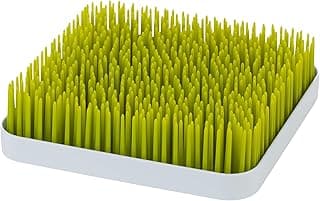
While functionality is paramount, the aesthetic appeal of baby gear shouldn't be overlooked. Integrating child-rearing tools into a shared family space like the kitchen can either create visual clutter and stress or, with thoughtful design, blend seamlessly into the home environment. Products that offer a touch of whimsy or understated elegance, like the "patch of lawn" design of Boon Grass, acknowledge that parents deserve products that don't detract from their home's aesthetic, contributing subtly to a more pleasant living space.
Why a Thoughtful Design Matters: Diving Deeper into Features
Our initial assessment highlighted the Boon Grass's ability to hold items of all shapes and sizes upright for air drying and its easy-to-drain two-piece design. Let's unpack the scientific and practical implications of these features.
Upright and Aerated: Optimizing the Drying Process
The "grass blades" of the Boon Grass are strategically spaced and flexible, allowing items like bottle nipples, valves, and pacifiers to be propped upright. This vertical positioning is crucial for efficient air drying.
- Maximized Airflow: When items stand upright, air can circulate freely around their entire surface, inside and out. This promotes rapid evaporation and prevents water from pooling in nooks and crannies, which is where microorganisms thrive.
- Gravity at Work: Gravity naturally draws any remaining water downwards, allowing it to drip into the tray below, rather than sitting stagnant on the item itself. This ensures even the most intricate parts are thoroughly dried.
- Prevention of Contact Contamination: By keeping items suspended and separate, the risk of them touching a potentially contaminated counter surface or each other is minimized, further enhancing hygiene.
The Genius of the Two-Piece Design: Hygiene from the Ground Up
The two-piece design, featuring a "grass" top and a collection tray below, is not just about convenience; it's a cornerstone of hygiene maintenance for the drying rack itself.
- Effortless Water Management: Water drips from the drying items into the removable tray. This accumulated water can then be easily poured out, preventing it from stagnating. Stagnant water is the perfect environment for bacterial growth and biofilm formation, which can then transfer back to your clean items.
- Simplified Cleaning: Both the "grass" and the tray can be separated for thorough cleaning, either by hand or in a dishwasher (top rack is usually recommended for plastic products). This ensures the drying rack itself remains clean and doesn't become a source of contamination. Regular cleaning of the rack is just as important as cleaning the bottles themselves.
Versatility for Every Stage: Nipples, Valves, Pacifiers, and Beyond
The varying heights and flexibility of the grass blades accommodate a wide range of infant feeding items.
- Nipples and Collars: Easily slipped over the taller blades to dry both inside and out.
- Valves and Small Pump Parts: The shorter blades are perfect for propping up these tiny, yet vital components.
- Pacifiers and Teethers: Can be placed on any blade to ensure complete air exposure.
- Beyond Infancy: As your child grows, the rack remains useful for toddler sippy cup valves, small snack container lids, or even art supplies, demonstrating its long-term value. This adaptability means you're investing in a product that serves your family for years, not just months.
Expert Perspectives & Practical Wisdom
As pediatric specialists, we emphasize that consistent, high-quality hygiene practices are foundational to infant health. Incorporating effective tools like a well-designed drying rack significantly simplifies this crucial task.
Establishing a Seamless Washing and Drying Routine
- Immediate Rinse: After each use, rinse bottle parts and pump components immediately with cold water to prevent milk residue from drying and sticking.
- Dedicated Washing Station: Use a separate wash basin, bottle brush, and soap specifically for infant feeding items. This prevents cross-contamination with general kitchen sponges or dishes.
- Thorough Scrubbing: Ensure all surfaces, including the insides of nipples and valves, are thoroughly scrubbed to remove any milk film.
- Rinse Well: Rinse items thoroughly under running water to remove all soap residue.
- Place on Drying Rack: Immediately place clean, wet items on your Boon Grass (or similar high-quality drying rack) to begin air drying. Avoid stacking or nesting items, which can trap moisture.
Expert Tip: The Critical Role of Pre-Drying Sterilization
While air drying is essential, for infants under three months, those born prematurely, or those with weakened immune systems, the Centers for Disease Control and Prevention (CDC) recommends sterilizing feeding equipment at least once a day after cleaning. This can be done by boiling, steaming, or using a sterilizer. Once sterilized, these items should also be air-dried on a clean rack. A product like Boon Grass provides the perfect sterile environment for this final drying phase. Always ensure you wash your hands thoroughly before handling sterilized items.
Maintaining Your Drying Rack for Optimal Hygiene
Just as you clean your bottles, your drying rack needs regular attention to remain hygienic.
- Daily Drain: Empty the collection tray daily to prevent water from stagnating.
- Weekly Wash: We recommend washing the Boon Grass (both the grass and the tray) at least once a week. It can often go into the dishwasher (top rack) or be hand-washed with warm, soapy water and a bottle brush. Ensure it's thoroughly dry before reassembling.
- Visual Inspection: Periodically inspect the "grass blades" and tray for any signs of mold, mildew, or residue buildup. If you spot any, give it an extra thorough cleaning.
Parent-to-Parent Wisdom: Integrating Baby Gear into Your Home
One of the often-underestimated benefits of products like Boon Grass is their ability to blend in. The aesthetic choice to make it look like a patch of lawn transforms a purely functional item into something visually appealing. This small detail can make a big difference in how parents feel about their home environment, helping them integrate the realities of baby-life without feeling completely taken over. Place it strategically – perhaps near your sink, but in a spot that feels natural and not an eyesore.
When to Consult Your Pediatrician: A Proactive Approach to Feeding Hygiene
While proper cleaning and drying routines can prevent most issues, it's important for parents to know when to seek professional advice.
- Recurrent Oral Thrush: If your baby frequently develops oral thrush despite meticulous hygiene practices, it might indicate an underlying issue or a need to re-evaluate cleaning methods.
- Unexplained Gastrointestinal Upset: Persistent fussiness, excessive spitting up, or unusual stool patterns could in rare instances be linked to contaminated feeding equipment, though many other factors are usually at play. Always discuss persistent symptoms with your pediatrician.
- Concerns About Cleaning Efficacy: If you're genuinely worried that your cleaning methods aren't adequate, or if you notice unusual odors or residues on your baby's feeding items, don't hesitate to ask your pediatrician or a lactation consultant for guidance. They can offer practical demonstrations and reassurance.
Conclusion
The journey of parenthood is filled with countless decisions, big and small. While a drying rack might seem like a minor detail, choosing a high-quality, thoughtfully designed product like Boon Grass can have a significant positive impact on daily life. It's an investment in hygiene, organization, and ultimately, parental peace of mind. By reducing clutter, ensuring thorough drying, and offering an aesthetically pleasing solution, these humble kitchen counter staples empower parents to manage the demanding yet beautiful task of nurturing their little ones, one perfectly dried bottle part at a time. Embrace solutions that simplify your life, knowing that by doing so, you're creating a healthier, happier environment for your entire family.