The Frisbee Test: Why EZPZ Mats Are a Must for Toddlers
As an expert pediatric specialist and parenting guide writer, I've witnessed firsthand the myriad challenges and triumphs that define toddlerhood. Among these, mealtimes often emerge as a unique battleground of wills, curiosity, and emerging independence. Parents frequently recount tales of airborne plates, culinary chaos, and the inevitable clean-up aftermath. It's in this spirited arena that a simple, yet profoundly effective tool can transform frustration into function: the integrated suction placemat.
The Aerodynamic Appetizer: Understanding Toddler Mealtime Exploration
The "Frisbee Test" is a familiar scene for any parent of a toddler. You place a neatly prepared meal in front of them, only for the plate to become an object of scientific inquiry, hurled with surprising force and precision. This isn't naughtiness; it's a fundamental part of how toddlers learn and interact with their world.
Why Do Toddlers Throw Food and Plates? The Developmental Lens
Toddlerhood, typically from 12 to 36 months, is a period of intense cognitive, physical, and emotional development. Their actions, seemingly disruptive to us, are often driven by crucial developmental milestones:
- Cause and Effect: Toddlers are fascinated by how things work. Throwing a plate and watching it fall (or listening to the crash) teaches them about gravity, sound, and the consequences of their actions. It's their first foray into physics.
- Motor Skill Development: Learning to grasp, lift, and throw are significant gross motor skills. While we want them to use these skills for constructive play, manipulating objects at the table is part of their practice.
- Sensory Exploration: Food isn't just for eating; it's for touching, smelling, squishing, and, yes, throwing. Exploring textures, temperatures, and consistencies with all senses is vital for developing a healthy relationship with food.
- Asserting Independence: "I do it myself!" is the toddler mantra. Controlling objects, including their plate, is a way to exert their newfound autonomy. Testing boundaries, though challenging for parents, is a normal and necessary part of their social-emotional growth.
- Attention Seeking: Sometimes, a thrown plate elicits a strong reaction from parents, which can inadvertently reinforce the behavior. Toddlers are learning about social cues and how to get responses.
Understanding these underlying developmental drives helps parents approach mealtime challenges with empathy and a strategic mindset, rather than just reacting to the mess. It's not about stopping their exploration entirely, but guiding it into appropriate channels.
Introducing the Game Changer: High-Quality Feeding Solutions
For parents navigating the turbulent waters of toddler mealtimes, tools that promote independence while minimizing mess are invaluable. This is where a high-quality, integrated placemat and plate system, often represented by products like the EZPZ Mini Mat, truly shines.
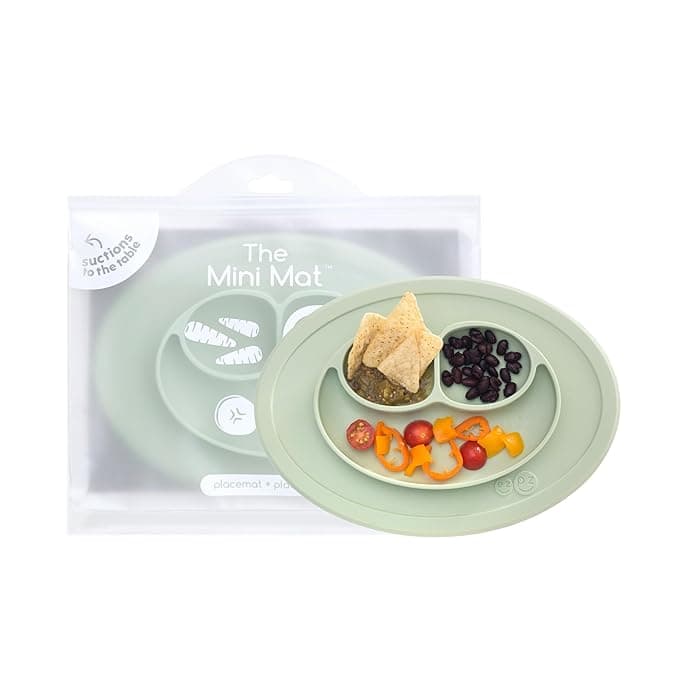
ezpz Mini Mat - 100% Silicone Suction Placemat
THOUGHTFULLY DESIGNED: The Mini Mat is an all-in-one placemat + plate that suctions to the surface, which helps infants and toddlers learn to self-feed. The suction feature decreases tipped bowls and plates.
Such a product is designed to be an all-in-one placemat and plate that suctions securely to the table. This innovation directly addresses the "Frisbee Test" by ensuring the primary vessel for food stays put, allowing children to focus on the food itself rather than the manipulability of their plate. The investment in durable, safe, and effective feeding gear is an investment in calmer mealtimes and more positive feeding experiences for both child and parent.
The Suction Science: More Than Just Sticking Around
The core innovation of these integrated mats lies in their suction capability. Crafted from a single piece of silicone, the mat creates a powerful vacuum seal on any flat, smooth surface. This design is not merely a convenience; it's a deliberate engineering choice with significant practical and developmental benefits.
How it Works and Why it Matters
The silicone material, combined with a flat, continuous surface, forms an airtight seal when pressed down. The atmospheric pressure outside the mat is greater than the reduced pressure inside, effectively "suctioning" it to the table. For a toddler, this means the mat becomes an immovable object. They cannot lift it by the edges, preventing the very action that leads to thrown plates.
Parent-to-Parent Tip: To ensure optimal suction, always place the mat on a clean, dry surface. A slightly damp table (from a wipe-down, for example) can sometimes interfere with the seal. Press firmly from the center outwards to release any trapped air. If suction seems weak, check for crumbs or liquid underneath, which can break the seal. For parents, peeling it up is simple: just lift from one corner to break the vacuum.
From a developmental standpoint, this stability offers several advantages:
- Reduces Frustration: For both child and parent. When the plate stays put, the child can concentrate on using their utensils or fingers to explore and eat their food, rather than struggling with a moving target. This builds confidence and reduces mealtime power struggles.
- Fosters Independent Eating: A stable base encourages self-feeding. Toddlers can practice scooping, spearing, and grasping without the added challenge of chasing a sliding plate, thereby improving fine motor skills and hand-eye coordination.
- Safety and Hygiene: A securely attached mat minimizes spills and messes, reducing the risk of food falling to the floor where it can become contaminated. It also means fewer instances of a heavy plate accidentally falling on a child's lap or foot.
Nurturing Healthy Eaters: Baby-Led Weaning and Balanced Nutrition
The design of a high-quality suction mat, particularly the "Mini" size, is often optimized for developmental stage-appropriate feeding methods like Baby-Led Weaning (BLW) and traditional spoon-feeding alike. Its compact footprint fits perfectly on most high chair trays, from popular models like the Ikea Antilop to more ergonomic designs like the Stokke Tripp Trapp.
The Power of Compartments
Many of these mats feature multiple compartments (often three). This isn't just a design aesthetic; it's a subtle yet powerful tool for promoting balanced nutrition and adventurous eating.
Scientific Context & Expert Tip: The use of compartments naturally encourages parents to offer a variety of food groups in manageable portions. A common recommendation is to include a protein source (e.g., shredded chicken, lentils), a vegetable (e.g., steamed broccoli florets, carrot sticks), and a carbohydrate/fruit (e.g., pasta shapes, berries). This visual separation:
- Encourages Variety: Parents are prompted to think about offering a diverse range of foods at each meal, ensuring a broad spectrum of nutrients.
- Reduces Food Aversion: Some toddlers are overwhelmed by a plate full of mixed foods. Separating items allows them to interact with one food at a time, potentially reducing pickiness.
- Promotes Self-Regulation: Children can choose what they want to eat and in what order, fostering an understanding of their own hunger and fullness cues.
- Aesthetic Appeal: Visually appealing plates with different colors and textures can make mealtime more inviting for young children.
For parents practicing BLW, these mats are particularly beneficial. The low profile and stable surface make it easy for infants and toddlers to grasp food directly with their hands, developing their pincer grasp and oral motor skills crucial for speech development. The soft silicone is gentle on emerging teeth and gums.
Prioritizing Health and Convenience: Dishwasher Safe and Non-Toxic Materials
When the "carnage" of mealtime exploration is complete, the thought of extensive clean-up can be daunting. This is where the practical features of a well-designed feeding mat truly shine, offering convenience without compromising safety.
Ease of Cleaning and Durability
The ability to simply peel off the mat and place the entire piece in the dishwasher is a significant time-saver for busy parents. This ease of cleaning ensures proper hygiene, which is paramount for toddlers with developing immune systems. High-quality silicone is non-porous and resistant to bacteria, making it a sanitary choice for food contact.
Furthermore, these mats are built to last. They are tough, durable, and designed to withstand the rigors of daily use, repeated washing, and the occasional toddler tantrum. This durability makes them a cost-effective choice in the long run, eliminating the need to constantly replace cracked plastic plates or stained placemats.
The Importance of Non-Toxic Materials
Beyond convenience, the materials used in children's feeding products are a critical concern for pediatric specialists. Reputable brands like EZPZ prioritize safety, ensuring their products are free from harmful chemicals. Key assurances to look for include:
- BPA-free: Bisphenol A (BPA) is an industrial chemical used to make certain plastics and resins, which has been linked to potential health effects, particularly in infants and young children.
- PVC-free: Polyvinyl chloride (PVC) is another plastic that can leach phthalates, which are endocrine disruptors.
- Phthalate-free: Phthalates are a group of chemicals used to make plastics more flexible and durable. They have been associated with various health issues.
Choosing products made from 100% food-grade silicone, free from these contaminants, provides peace of mind that your child's meals are served on a safe surface.
Beyond the Plate: Cultivating Positive Mealtime Environments
While a good feeding mat won't miraculously stop a toddler from throwing individual pieces of food (that's a separate developmental stage!), it creates a foundation for a more positive and less stressful mealtime experience. It removes one significant source of frustration, allowing parents to focus on teaching appropriate mealtime behaviors and fostering a love of food.
Managing Food Throwing (the Food Itself)
Even with the plate securely anchored, food can still fly. This behavior, like plate throwing, is often rooted in exploration, satiety, or attention-seeking. Here are some expert and parent-to-parent tips:
- Offer Small Portions: Start with a small amount of each food item. This reduces waste and makes the plate less overwhelming. You can always offer more if your child requests it or finishes their initial portion.
- Model Good Behavior: Children learn by observing. Sit and eat with your child, demonstrating how to use utensils and keep food on the plate.
- Clear Verbal Cues: When food is thrown, calmly say, "Food stays on the plate" or "When you throw food, it tells me you're done." Avoid yelling or strong negative reactions, which can inadvertently reinforce the behavior.
- Watch for Hunger Cues: Often, throwing food is a sign that a child is full or no longer interested. If repeated attempts to redirect fail, it might be time to end the meal.
- Create a Predictable Routine: Regular meal and snack times help children understand expectations and regulate their hunger.
- Engage with Food in Other Ways: Allow sensory exploration of food outside of mealtimes (e.g., playing with cooked pasta, squishing berries) to satisfy their curiosity in a less disruptive setting.
When to Call the Doctor: Expert Tip
While food throwing is a common toddler behavior, there are instances when it warrants further investigation:
- Persistent Refusal to Eat: If food throwing is consistently accompanied by a refusal to eat a variety of foods, or if your child's growth is impacted.
- Extreme Pickiness: While common, if pickiness is very severe (e.g., eating only 3-5 foods), or if it's accompanied by gagging, choking, or extreme aversion to textures.
- Sensory Processing Concerns: If the food throwing seems to stem from an overwhelming sensitivity to food textures, smells, or appearances, or if there are other sensory processing challenges.
- Developmental Delays: If food throwing is part of a broader pattern of developmental delays, particularly in fine motor skills, communication, or social interaction.
In these situations, consulting with your pediatrician is crucial. They can assess your child's development, rule out any underlying medical conditions, and refer you to specialists like an occupational therapist, speech-language pathologist, or feeding specialist who can provide targeted support.
Conclusion: Investing in Calm and Confidence at Mealtime
The journey of feeding a toddler is rarely linear, often marked by unexpected twists and turns, and a liberal scattering of pureed vegetables. While no single product can eliminate every mealtime challenge, a high-quality, suction-based placemat like the EZPZ Mini Mat stands as a testament to thoughtful design meeting practical parenting needs.
By keeping the plate firmly on the table, these innovative solutions empower toddlers to explore their food independently, develop crucial motor skills, and cultivate a positive relationship with eating. They minimize mess, reduce parental stress, and champion a healthier, more relaxed mealtime environment. In essence, by passing the "Frisbee Test" with flying colors, these mats allow everyone at the table to focus on what truly matters: nourishing our children's bodies and fostering joyful, engaging family mealtimes. It's an investment in calm, confidence, and countless memorable (and less messy) moments around the table.