Do Dr. Brown's Bottles Really Help With Gas?
Understanding Infant Gas and Discomfort: A Common Parental Challenge
Few things are as universal in early parenthood as the sound of a gassy baby, and the desperate search for solutions to alleviate their discomfort. From bicycle kicks to special formulas, parents often try everything to ease their little one's grunts, groans, and cries. Gas, while a normal part of infant digestion, can lead to significant distress for babies and considerable anxiety for parents. It impacts feeding, sleep, and overall well-being, often leaving parents feeling helpless.
This is where specialized feeding equipment, like Dr. Brown's bottles, often enters the conversation. Touted for their unique design, these bottles promise to tackle the root cause of much infant gas: swallowed air. But do they truly live up to their legendary status? As an expert pediatric specialist, let's delve deep into the science, practicalities, and overall efficacy of Dr. Brown's bottles, and explore a holistic approach to supporting your gassy baby.
The Science Behind Infant Gas and How Bottles Play a Role
To truly understand how a bottle might help, we first need to grasp why babies get gassy in the first place. It’s more than just a passing discomfort; it's a complex interplay of physiology and feeding mechanics.
Why Babies Get Gassy: A Look at Infant Physiology
Infants are still developing on many fronts, and their digestive system is no exception. It's immature and often inefficient in processing food and expelling gas. Here are some key factors:
- Immature Digestive System: A newborn's gut is still learning to coordinate its movements (peristalsis) to move food and gas through effectively. Enzymes needed for digestion are also still maturing.
- Swallowing Air During Feeding: This is perhaps the most significant contributor to gas, especially in bottle-fed babies. Whether breastfeeding or bottle-feeding, babies can gulp air. However, certain bottle designs can exacerbate this by creating a vacuum inside the bottle, causing babies to suck harder and ingest more air.
- Aerophagia (Air Swallowing): Beyond feeding, babies can swallow air when crying, fussing, or even vigorously sucking on a pacifier.
- Dietary Factors (for breastfed babies): While often overemphasized, certain foods in a mother's diet can sometimes, though rarely, contribute to gas in breastfed infants.
- Food Sensitivities/Allergies: In some cases, persistent gas, especially when accompanied by other symptoms like rash, reflux, or blood in stool, can indicate a sensitivity or allergy to something in their formula (e.g., cow's milk protein) or, less commonly, in the mother's breast milk.
The Impact of Excess Air on Baby's Comfort and Development
Excess gas isn't just an inconvenience; it can have several repercussions for your baby's comfort and, indirectly, their development:
- Physical Discomfort and Pain: Trapped gas bubbles can cause significant abdominal pain, leading to crying, fussiness, arching their back, and pulling up their legs. This constant discomfort can be agonizing for both baby and parent.
- Disrupted Sleep Patterns: A gassy baby is often a wakeful baby. Discomfort can make it difficult for them to fall asleep and stay asleep, leading to fragmented rest for both the infant and the family. Adequate sleep is crucial for an infant's brain development, growth, and mood regulation.
- Feeding Aversion/Difficulties: If feeding becomes associated with pain and discomfort, babies may start to resist feeds, leading to inadequate caloric intake and potential weight gain issues.
- Parental Stress and Bonding Implications: Witnessing your baby's constant discomfort can be incredibly stressful and emotionally draining for parents. This stress can impact parental well-being and, if severe and prolonged, potentially affect the early bonding process. Reducing a baby's discomfort is not just about the baby; it's about supporting the entire family unit.
Deconstructing Dr. Brown's: The Patented Vent System Explained
Dr. Brown's bottles are legendary for their internal vent system. It looks complicated, but it serves a simple, yet profoundly effective, purpose: keeping air bubbles out of the milk and out of your baby's tummy.
What Makes Dr. Brown's Unique? The Internal Vent System
At the heart of Dr. Brown's design is its patented two-piece internal vent system. Unlike standard bottles that create a vacuum as milk is consumed, forcing air back through the nipple and into the milk, Dr. Brown's uses a clever mechanism:
- The Vent Insert: This piece fits inside the bottle, extending from the nipple base down into the milk.
- The Vent Reservoir (Tube): This tube attaches to the vent insert and extends almost to the bottom of the bottle.
As your baby feeds, air enters the bottle collar, flows through the vent insert and vent reservoir, and bypasses the milk entirely. This means no air bubbles mix with the formula or breast milk.
The Mechanics of Air-Free Feeding
This innovative design offers several key benefits:
- Complete Vacuum Elimination: By allowing air to enter through the vent system, Dr. Brown's bottles maintain atmospheric pressure inside the bottle. This means your baby doesn't have to fight a vacuum to get milk, leading to a more natural, controlled flow.
- Air-Free Milk Flow: Because air doesn't mix with the milk, your baby isn't swallowing tiny bubbles along with their feed. This directly reduces the amount of air reaching their stomach.
- Mimics Breastfeeding: The steady, vacuum-free flow more closely simulates the natural flow of breast milk, where babies control the pace without fighting a vacuum. This can be particularly beneficial for babies transitioning between breast and bottle.
- Preservation of Nutrients: A lesser-known benefit, but equally important, is the reduction of air exposure to the milk. Exposure to air can oxidize fragile nutrients like Vitamin C, A, and E. Dr. Brown's vent system helps maintain these vital nutrients in formula and expressed breast milk.
The Evidence: Do Dr. Brown's Bottles Really Deliver?
The claims made by Dr. Brown's are significant: reduction in colic, spit-up, and burping. Let's examine the evidence and what parents can realistically expect.
Addressing Colic, Spit-up, and Burping
The direct link between swallowed air and these common infant issues is well-established in pediatric practice.
- Colic: Colic is defined by the "Rule of 3s": crying for more than 3 hours a day, at least 3 days a week, for at least 3 weeks in an otherwise healthy baby. While the exact cause of colic is multifaceted and not fully understood, excess gas and the resulting abdominal discomfort are widely considered major contributing factors. By reducing the intake of air, Dr. Brown's bottles aim to minimize this source of discomfort, thereby alleviating colicky symptoms. Many parents and pediatricians observe a marked improvement in fussiness and crying in colicky babies using these bottles.
- Spit-up (Gastroesophageal Reflux - GER): Spit-up is common in infants due to their immature lower esophageal sphincter (the valve between the esophagus and stomach). When a baby swallows a lot of air, it can fill the stomach, putting pressure on this sphincter and making spit-up more likely. Reduced air intake helps prevent this gastric distension, potentially lessening the frequency and volume of spit-up. Severe reflux, or Gastroesophageal Reflux Disease (GERD), involves more significant symptoms like poor weight gain, feeding refusal, or respiratory issues, and always warrants medical evaluation.
- Burping: While burping is essential to release swallowed air, excessive or difficult burping can be a sign that a baby is taking in too much air during feeds. By minimizing air ingestion, Dr. Brown's bottles can lead to more efficient and less frequent burping, as there's simply less air to expel.
The claim that these benefits are "clinically proven" means that studies and research have supported these observations, providing a scientific basis for their effectiveness in reducing these common infant feeding issues.
Expert and Parent Perspectives
From a pediatric standpoint, while no single product is a magic bullet, Dr. Brown's bottles are frequently recommended as a primary intervention for babies struggling with gas, colic, and reflux. Many parents report a noticeable difference in their baby's comfort and a significant reduction in gas-related fussiness.
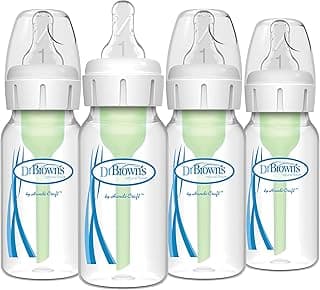
Verdict: If your baby has colic or reflux, these are non-negotiable. This strong recommendation comes from countless success stories and a sound understanding of their mechanism. For babies whose digestive systems are particularly sensitive to air, or those who gulp excessively, the Dr. Brown's system can be a game-changer. It's an investment in comfort for both baby and parent.
Beyond the Bottle: Holistic Approaches to Minimizing Gas
While specialized bottles like Dr. Brown's are incredibly helpful, they are just one tool in a comprehensive approach to managing infant gas. Optimal feeding practices are equally crucial.
Paced Bottle Feeding: Mimicking Nature's Rhythm
Paced bottle feeding is a technique designed to slow down the feeding process, allowing the baby to control the flow of milk and reduce air intake. This method more closely mimics the intermittent flow of breastfeeding.
- How to do it: Hold your baby in a more upright position. Hold the bottle horizontally or slightly tipped, ensuring only the tip of the nipple has milk in it, not the whole nipple base. Allow your baby to actively suck for a short period (e.g., 20-30 seconds), then tip the bottle down to break the suction and give them a brief break. Look for cues that they need a break (e.g., splaying fingers, milk dripping from mouth).
- Benefits: Reduces gulping, allows baby to signal satiety, and decreases swallowed air.
Optimal Feeding Positions and Burping Techniques
How you hold your baby during and after a feed can significantly impact gas.
- Upright Feeding: Feed your baby in a more upright, semi-seated position. Gravity helps keep milk down and air bubbles rise.
- Frequent Burping: Don't wait until the end of the feed. Burp your baby every 1-2 ounces (30-60 ml) for younger infants, or mid-feed.
- Over the Shoulder: Support your baby with their chin on your shoulder, patting or rubbing their back.
- Sitting on Lap: Sit your baby upright on your lap, supporting their head and chest, and gently pat or rub their back. Lean them slightly forward.
- Face Down on Lap: Lay your baby face down across your lap, supporting their head, and gently pat their back.
Recognizing and Responding to Your Baby's Cues
Learning your baby's unique hunger and discomfort cues is vital.
- Early Hunger Cues: Rooting, mouth movements, hand-to-mouth actions. Avoid waiting until crying intensifies, as this leads to more air swallowing.
- Fullness/Discomfort Cues: Turning head away, pushing bottle out, splaying fingers, arching back, or grimacing. Respect these cues and take breaks or end the feed.
The Importance of High-Quality Feeding Products
While Dr. Brown's excel in air reduction, the broader landscape of infant feeding requires careful consideration of all products. High-quality bottles, nipples, and cleaning accessories (like that dishwasher basket!) are essential for your baby's safety, comfort, and overall feeding success. Look for products made from safe, BPA-free materials, durable enough for repeated sterilization, and designed with ergonomic features for both baby and parent. Investing in reliable, well-designed feeding equipment minimizes potential problems and makes the feeding journey smoother.
Practicalities: Using and Caring for Your Dr. Brown's Bottles
Yes, the vent system looks intricate. Many parents initially feel intimidated by the extra parts. But trust us, the benefits far outweigh the minor learning curve and cleaning routine.
Assembly and Disassembly Made Easy (with a small learning curve)
Upon first glance, the extra components of a Dr. Brown's bottle might seem daunting. However, once you understand the simple order of assembly, it becomes second nature.
- Insert the Vent Tube: Slide the narrow end of the green vent tube into the wider end of the vent insert.
- Place the Assembled Vent: Drop the assembled vent (insert first) into the bottle so it sits just below the nipple opening.
- Attach Nipple and Collar: Place the nipple into the collar and screw it onto the bottle. Ensure the vent system is properly seated to prevent leaks.
The Dishwasher Basket: A Parent's Best Friend
You're right – those small vent parts can easily disappear in a dishwasher. Buy a dishwasher basket for the parts and thank us later. This is an expert tip born from countless parental experiences!
- Thorough Cleaning: Disassemble all parts immediately after each feed. Use warm soapy water and a small brush (often included with Dr. Brown's sets) to clean the vent parts thoroughly.
- Sterilization: For newborns and infants with compromised immune systems, sterilization is important. This can be done by boiling, using a steam sterilizer, or specialized microwave sterilizer bags. Always follow manufacturer guidelines.
- Hygiene: Proper cleaning prevents bacteria buildup and ensures your baby is always feeding from a clean, safe bottle.
When to Call the Doctor: Expert Guidance on Persistent Gas and Discomfort
While gas is a normal part of infancy, there are times when persistent discomfort or other symptoms warrant a call to your pediatrician.
Differentiating Normal Fussiness from Concerning Symptoms
Every baby fusses, and occasional gas pains are typical. However, watch for these "red flags":
- Poor Weight Gain: If your baby is consistently not gaining weight as expected, or is losing weight.
- Projectile Vomiting: Forceful vomiting that shoots across the room, rather than gentle spit-up.
- Blood in Stool: Any blood, even streaks or specs, in your baby's diaper.
- Severe Arching of the Back: Especially during or after feeds, which can indicate reflux pain.
- Inconsolable Crying Beyond Typical Colic: If your baby is crying intensely for hours, despite all efforts to soothe, and seems to be in severe pain.
- Fever or Lethargy: If gas is accompanied by signs of illness.
- Refusal to Feed: Persistent refusal to eat, or significantly reduced intake over several feeds.
Expert Tip: Trust your gut. You know your baby best. If something feels "off" or if you're constantly worried about your baby's discomfort, don't hesitate to reach out to your pediatrician. They are your primary resource for distinguishing normal infant behavior from something that requires medical attention.
The Role of Your Pediatrician
Your pediatrician can help investigate other potential causes of persistent gas and discomfort:
- Dietary Sensitivities/Allergies: They can help determine if a formula change (e.g., to a hydrolyzed protein formula) or dietary adjustments for a breastfeeding mother might be beneficial.
- Other Medical Conditions: While rare, conditions like pyloric stenosis or malabsorption issues can mimic severe gas and colic. Your pediatrician can rule these out.
- Medication: In cases of severe GERD, medication might be considered, but this is usually a last resort after other interventions have been tried.
Conclusion: A Breath of Fresh Air for Baby and Parents
The journey of parenthood is filled with learning curves, and navigating infant feeding and comfort is a big one. Dr. Brown's bottles stand out as a highly effective tool in the arsenal against infant gas, colic, and reflux. Their unique vent system offers a scientifically sound approach to reducing swallowed air, bringing tangible relief to countless babies and their families.
While Dr. Brown's bottles are, in many cases, a non-negotiable for babies with significant gas issues, remember they are part of a larger picture. Combine their use with paced feeding, proper burping, and attentive observation of your baby's cues for the most successful outcome. And critically, always keep an open dialogue with your pediatrician, especially if your baby's discomfort is severe or persistent.
Ultimately, the goal is a comfortable, happy baby who can feed, sleep, and thrive. By embracing effective tools and holistic practices, you can help create a calmer, more joyful feeding experience – a true breath of fresh air for everyone involved.