Plastic vs. Glass: Why We Love Avent Natural Glass Bottles
The Modern Parent's Dilemma: Navigating Baby Bottle Choices in a Health-Conscious World
For generations, plastic baby bottles were the undisputed champion in nurseries worldwide. Their lightweight nature, affordability, and apparent indestructibility made them the go-to choice for busy parents. However, the landscape of parenting is ever-evolving, driven by increased scientific understanding and a heightened awareness of environmental and health impacts. Modern parents are now faced with a more nuanced decision, particularly as concerns about microplastics and chemical leaching – even from "BPA-free" products – have entered the public consciousness.
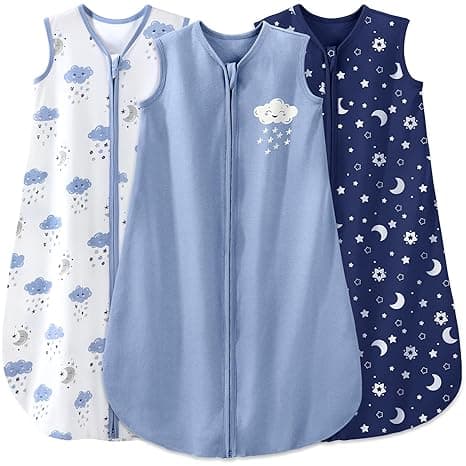
Yoofoss Baby Sleep Sack 0-6 Months Baby Wearable Blanket 100% Organic Cotton 2-Way Zipper TOG 0.5 Toddler Sleeping Sack 3, Lightweight Sleep Sacks for Babies
100% Cotton Imported 100% Organic Cotton: Soft, breathable, and gentle on sensitive skin, our sleep sack is made from high-quality cotton. Certified by the Global Organic Textile Standard (GOTS), we prioritize your baby’s comfort and safety. Smooth 2-Way Zipper: Our sleep sack double zipper makes midnight diaper change easily. The interior zipper guard and top zipper cover protect any scratches or discomfort from baby's delicate skins, ensuring the safety of your beloved baby. Roomy Places: The arm and neck openings sized for a perfect fit, the leg room carefully sized for baby to move around freely, but cannot be kicked off, so baby stays warm all night. The sleeping sack is great for promoting healthy hip development. 3-Pack Features: The package comes with 3 pack sleep sack for baby, so that baby always has one to wear to bed. The 3 colors are suitable for both baby boys and girls, which is perfect as baby registry. Essential Baby Item: Baby sleep sacks are good for everyday use, it will help baby get longer sound night’s sleep. There are 4 sizes available for your choices. S for 0-6 Months. M for 6-12 Months. L for 12-18 Months. XL for 18-24 Months.
This shift has heralded a massive resurgence in glass baby bottles, a material once thought outdated. Are they heavier? Yes. Are they potentially breakable? Absolutely. But for many, including us at GooGaia, the critical question is: Are they better for your baby's health and development? We firmly believe the answer is a resounding yes, and we're here to explain why, with a particular spotlight on a beloved option: the Philips Avent Natural Glass Baby Bottle.
Unpacking the Concerns: Why We're Re-evaluating Plastic
To understand the appeal of glass, we first need to delve deeper into the reasons behind the declining trust in plastic. The journey from BPA to "BPA-free" plastics seemed like a victory, yet it introduced new questions.
The Invisible Threat: Microplastics and Chemical Leaching
The term "BPA-free" gave parents a false sense of security. While Bisphenol A (BPA) was effectively phased out due to its known endocrine-disrupting properties, it was often replaced by similar chemicals like BPS (Bisphenol S) and BPF (Bisphenol F). Emerging research suggests these alternatives may not be any safer, potentially mimicking hormones and interfering with a baby's delicate developing systems. Infants are particularly vulnerable to such disruptions due to their rapid growth, developing organs, and higher intake-to-body-weight ratio.
Beyond specific chemicals, the alarming reality of microplastics has emerged. Studies have shown that plastic baby bottles can release millions of microscopic plastic particles into milk or formula, especially when exposed to heat (like during sterilization or warming). While the long-term health implications of microplastic ingestion are still being actively researched, preliminary findings raise concerns about inflammation, gut microbiome disruption, and potential impacts on neurological and immune development. For parents, this scientific uncertainty underscores the precautionary principle: when in doubt, choose the option with fewer potential risks.
Chemical leaching also occurs through everyday wear and tear. Scratches, repeated washing, and exposure to varying temperatures can cause plastic to degrade and release microscopic particles and chemicals into your baby's feed. Unlike glass, plastic is porous, meaning it can absorb residues over time, leading to discoloration, odors, and a less hygienic surface.
Expert Tip: Understanding Endocrine Disruptors
Endocrine-disrupting chemicals (EDCs) are substances that can interfere with the body's endocrine (hormone) system. Because hormones regulate nearly every process in the body, from metabolism to growth and development, EDCs can have wide-ranging and subtle effects. For infants and children, exposure during critical developmental windows is of particular concern, potentially affecting brain development, reproductive health, and increasing the risk of certain chronic diseases later in life. Choosing inert materials like glass helps minimize this exposure.
Why Glass Bottles Are Making a Comeback: A Deeper Dive
The resurgence of glass is not merely a nostalgic trend; it's a conscious choice backed by tangible benefits for health, hygiene, and the environment.
Purity and Hygiene: The Non-Porous Advantage
Glass is inherently non-porous. This means it doesn't absorb odors, colors, or flavors from milk or formula, ensuring every feed tastes fresh and pure. More importantly, its smooth, impervious surface prevents bacteria from harboring in microscopic pores or scratches, which can be a common issue with plastic bottles over time. This makes glass far easier to clean and sanitize effectively, providing a superior level of hygiene that is critical for a baby's developing immune system.
Thermal Resilience: The Borosilicate Difference
Not all glass is created equal. High-quality baby bottles, like the Philips Avent Natural Glass, are crafted from pharmaceutical-grade borosilicate glass. This specialized glass is renowned for its exceptional thermal shock resistance. What does this mean in practical terms for parents? It means you can confidently take a bottle directly from the refrigerator and place it into a bottle warmer or hot water bath without fear of it cracking due to sudden temperature changes. This durability and stability are paramount for safety and convenience in the frantic pace of daily feeding.
Sustainable and Long-Lasting
Beyond immediate health benefits, glass offers a significant environmental advantage. It's a highly sustainable material that is infinitely recyclable. Its superior durability means glass bottles don't need to be replaced as frequently as plastic ones, which can degrade with repeated sterilization and use. This long-term reusability reduces waste and, over time, can even be more cost-effective.
Our top recommendation for parents making the switch, combining purity, durability, and thoughtful design, is the Philips Avent Natural Glass Baby Bottle.
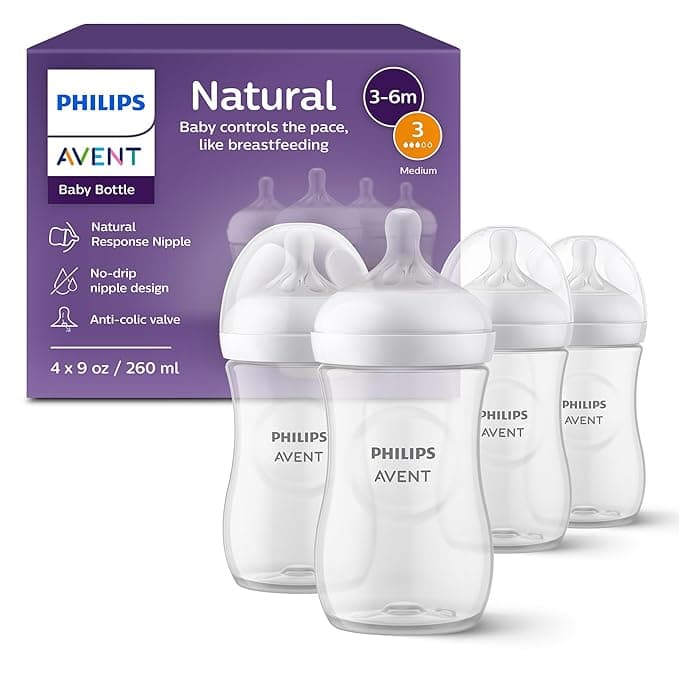
Beyond the Bottle: The "Natural Response" Nipple System
While the integrity of the glass bottle itself is foundational, the nipple design is equally crucial for a positive feeding experience, particularly for breastfed babies. The Philips Avent Natural Glass system truly shines here with its innovative "Natural Response" nipple.
Mimicking Nature's Design: Active Feeding for Optimal Development
The "Natural Response" nipple is engineered to mimic the breast's natural function. Unlike conventional nipples where milk often flows continuously, this nipple releases milk only when your baby actively compresses it with their tongue and jaw, creating a vacuum – just like breastfeeding. This "flow-on-demand" system encourages active sucking, swallowing, and breathing in a coordinated rhythm, promoting a calm and comfortable feed.
This design is more than just a convenience; it's beneficial for a baby's oral motor development. The active engagement of facial muscles, jaw, and tongue is vital for proper development, which can impact everything from feeding efficiency to speech development later on. A controlled flow also significantly reduces the risk of overfeeding, gulping air, and subsequent discomforts like gas, reflux, and colic.
The Nipple Confusion Solution: Supporting Combination Feeding
One of the biggest anxieties for breastfeeding mothers who need to introduce a bottle is "nipple confusion." This occurs when a baby accustomed to the easy flow of a traditional bottle nipple struggles to latch effectively onto the breast, which requires more effort and a different sucking technique. The "Natural Response" nipple directly addresses this by demanding active sucking. By mimicking the breastfeeding experience, it helps breastfed babies transition more smoothly between breast and bottle, preserving the breastfeeding relationship and making combination feeding a more viable and less stressful option for parents.
Parent-to-Parent Tip: Introducing the Bottle Successfully
If you're introducing a bottle to a breastfed baby, particularly with a "natural response" nipple, consider these tips:
- Timing is Key: Introduce the bottle when your baby is content but not ravenous.
- Paced Feeding: Hold the baby semi-upright. Offer the nipple, letting them draw it in. Tilt the bottle horizontally to control flow, allowing them to suck, swallow, and pause as they would at the breast. This prevents overfeeding and promotes a slower, more natural pace.
- Offer from Another Caregiver: Sometimes, a baby associates Mom with breastfeeding. Have a partner or another trusted caregiver offer the first few bottles.
- Stay Calm and Patient: It might take a few tries. Persistence with a consistent method will often pay off.
Built to Last: The Durability of Borosilicate Glass
The idea of glass bottles often brings immediate concerns about breakage. While no glass is truly invincible, the Philips Avent Natural Glass Baby Bottles are specifically engineered for robustness, mitigating many of these fears.
Pharmaceutical-Grade Strength
As mentioned, these bottles are made from pharmaceutical-grade borosilicate glass. This isn't just a fancy label; it signifies a material chosen for its purity, clarity, and exceptional strength compared to standard soda-lime glass. Borosilicate glass is more resistant to chips and scratches, which are not only aesthetic concerns but also potential weak points where bacteria could accumulate on plastic. This enhanced durability means your bottles will maintain their integrity and hygienic properties for a much longer period.
Resisting Extreme Temperature Changes
The ability to withstand extreme temperature changes is a cornerstone of their durability. Imagine needing to warm a bottle quickly for a hungry baby: you can confidently take an Avent Natural Glass bottle directly from a cold refrigerator and place it into a warm bath or bottle warmer without concern for thermal shock-induced cracking. This feature is a testament to the quality of the glass and a significant practical advantage for parents.
Expert Tip: Maximizing Glass Bottle Longevity and Safety
While robust, glass bottles do require mindful handling.
- Inspect Regularly: Before each use, quickly inspect the bottle for any chips or cracks, especially around the rim and base. Even a hairline crack can compromise the bottle's integrity and pose a safety risk. Discard any damaged bottles immediately.
- Protective Sleeves: Consider using silicone sleeves. These not only provide an extra layer of protection against drops but also offer a better grip for both parents and eventually, the baby.
- Careful Washing: When washing by hand, avoid banging bottles against the sink or other dishes. If using a dishwasher, ensure they are securely placed to prevent movement and potential impact with other items.
The Worth of Weight: A Trade-Off for Peace of Mind
The most frequently cited "downside" to glass bottles is their weight. Compared to their plastic counterparts, glass bottles are undeniably heavier. This means your baby might take a bit longer to master the skill of holding their own bottle.
Embracing the Weight: Developmental Opportunities and Practical Solutions
In the early months, when parents are typically holding the bottle for their infant anyway, the weight is a non-issue. As your baby grows and develops fine motor skills, the slightly heavier glass bottle can actually offer a gentle challenge, encouraging muscle development and coordination. Introducing the bottle gradually and perhaps using a silicone sleeve for added grip can aid in this developmental process.
However, for most parents who choose glass, the minor inconvenience of extra weight is a small price to pay for the immense peace of mind.
The Unquantifiable Value of Peace of Mind
This "peace of mind" isn't merely an abstract feeling; it's rooted in the tangible benefits we've discussed:
- Purity: Knowing your baby's milk or formula is uncontaminated by leached chemicals or microplastics.
- Hygiene: Confidence that bottles are truly clean and free from bacterial build-up in porous surfaces.
- Sustainability: Contributing to a healthier planet for your child's future.
- Durability: Investing in a product that will last through multiple children and countless washes without degrading.
These factors contribute to a foundational sense of well-being for both parent and child that often outweighs the perceived drawbacks. When considering the cumulative effect of daily feeds over months and years, the investment in high-quality, safe feeding equipment like the Philips Avent Natural Glass bottles becomes invaluable.
Final Thoughts: Building a Healthier Nursery
If you're curating your baby registry or looking to upgrade your feeding essentials, we wholeheartedly recommend adding a set of Philips Avent Natural Glass Baby Bottles. Start with a few, see how they integrate into your routine, and expand as needed. While the initial investment might be slightly higher than plastic, their longevity, superior hygiene, and the invaluable peace of mind they offer regarding your baby's health make them an incredibly worthy trade-off. In the journey of parenthood, every decision that supports your child's healthy development is a win, and choosing glass bottles is a step towards a purer, safer feeding experience.
When to Call the Doctor: Concerns Beyond the Bottle
While choosing the right bottle is important, always remember to observe your baby's feeding behaviors for any signs of discomfort or difficulty. If your baby is consistently refusing feeds, showing signs of severe reflux or colic (excessive crying, arching back during or after feeds), has poor weight gain, or you notice any unusual changes in their stool, please consult your pediatrician. These symptoms may or may not be related to the bottle itself, but warrant professional medical advice.