The Magic Cure-All: Aquaphor for Diaper Rash
Diaper rash – the bane of every parent's existence and a source of immense discomfort for our little ones. It's a universal challenge in the journey of parenthood, causing distress that can disrupt sleep, feeding, and the general well-being of an infant. As pediatric specialists and parenting guides, we understand the urgency and empathy required when facing a red, irritated bottom. The sight of your baby squirming, crying, or refusing to be changed due to a raw, inflamed bottom can be heartbreaking, triggering a primal need to provide immediate relief and protection.
The constant worry and the disruption to a baby’s serene demeanor can cast a shadow over the precious early days and months. But relief is often simpler than one might imagine. While many products line the shelves promising relief, one consistently rises to the top for its proven efficacy and versatility: Aquaphor Baby Healing Ointment. It’s not just a cream; it's a meticulously formulated barrier designed to protect, soothe, and accelerate healing, becoming a true cornerstone in any parent's toolkit.
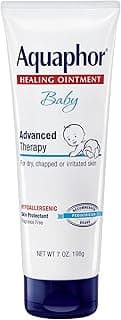
Aquaphor Baby Healing Ointment
ONE ESSENTIAL SOLUTION: Aquaphor Baby Healing Ointment is clinically proven to restore smooth, healthy skin, a perfect multi-purpose solution for your baby's many skin care needs, a perfect addition to your diaper bag
Navigating the landscape of infant care means understanding both the science and the practical application of effective solutions. For something as common and distressing as diaper rash, having a trusted, multi-purpose product like Aquaphor on hand can make a world of difference, offering peace of mind amidst the whirlwind of newborn life. It’s about empowering parents with knowledge and effective tools to ensure their baby’s comfort, which is intrinsically linked to their overall health and development.
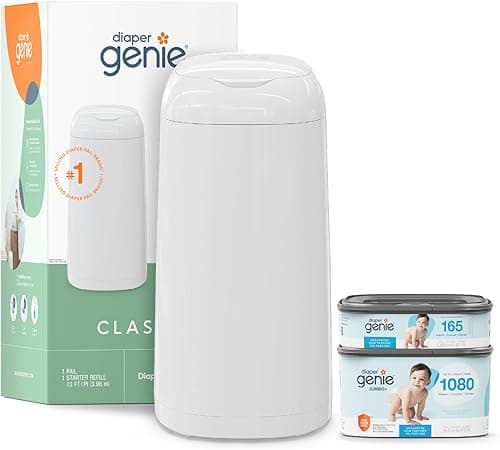
Diaper Genie Signature Pail - Odor Control System
Stop letting your nursery smell like a locker room; this pail uses double-tite clamps to literally lock the 'stink' away. The foot pedal is a total lifesaver for those 3 AM changes when you're essentially a zombie with only one free hand.
Understanding Diaper Rash: More Than Just a Red Bottom
To truly appreciate the "magic" of a product like Aquaphor, we first need to understand the delicate ecosystem of infant skin and why diaper rash is such a common adversary. It's not merely a surface irritation but a complex interaction between a baby's unique physiology and the challenging environment of a diaper.
The Delicate Ecosystem of Infant Skin
A baby's skin is exquisitely delicate and fundamentally different from an adult's, making it particularly vulnerable. It is thinner, more permeable, and has a less developed natural barrier function. This means it's more susceptible to external irritants, allergens, and moisture loss (transepidermal water loss or TEWL), leading to quicker irritation and slower recovery compared to mature skin.
- Immature Skin Barrier: The stratum corneum, the outermost layer of skin, is significantly less robust and thinner in infants. This makes it easier for potentially harmful substances and irritants to penetrate the skin, triggering inflammatory responses. The "tight junctions" between skin cells are also less developed, further compromising this protective shield. This immaturity means that the natural "acid mantle," which typically protects adult skin from pathogens, is less effective in infants.
- Higher pH: While adult skin is typically acidic (pH 4.5-5.5), an infant's skin pH can be slightly higher, especially in the diaper area (often trending towards neutral or even slightly alkaline). This elevated pH disrupts the skin's natural "acid mantle," which is crucial for fighting off certain bacteria and fungi. A higher pH also activates enzymes in stool that are highly irritating to the skin, breaking down its protective lipid layers.
- Increased Permeability: Due to its thinner structure, less developed barrier, and higher ratio of surface area to body mass, infant skin absorbs substances more readily than adult skin. This means that irritants, even in small concentrations, can have a more pronounced and rapid effect, leading to quicker onset of irritation and inflammation.
- Vulnerability to Irritants: The diaper environment is a perfect storm for skin irritation. Urine elevates the skin's pH, breaking down its protective acid mantle. Feces introduce potent digestive enzymes (like proteases and lipases) that are incredibly corrosive to the skin. The combination creates warmth and constant moisture, which macerates the skin (softening and weakening it), making it even more prone to breakdown. Add to this the constant friction from diapers, especially ill-fitting ones, and you have all the ingredients for a swift and severe onset of irritation.
The impact of diaper rash extends far beyond superficial redness. A baby in discomfort struggles to sleep effectively, feeds less efficiently, and engages less happily with their world. Chronic discomfort can subtly impact early developmental milestones that rely on an infant feeling safe, secure, and well-rested. Sleep, for example, is vital for brain development, memory consolidation, and overall physical growth. A baby constantly bothered by an itchy or painful rash will experience fragmented sleep, leading to irritability, poor feeding, and reduced engagement during crucial awake times for learning and bonding. Addressing diaper rash promptly and effectively is therefore not just about skin health, but about supporting your baby's overall comfort, mood, and optimal physical and cognitive development.
Common Causes and Types of Diaper Rash
While most diaper rashes fall under "irritant contact dermatitis," it's helpful for parents to recognize the different possibilities, as treatment approaches can vary. Knowing what to look for can guide your initial response and inform you when to seek medical advice.
- Irritant Contact Dermatitis: This is by far the most common type, accounting for the vast majority of diaper rashes. It's caused by prolonged exposure to wetness (urine), stool, and friction. It typically appears as generalized redness, often sparing the skin folds (because these areas are usually protected from direct contact with urine and feces and are not as affected by friction). The skin may look raw, shiny, or inflamed, and in more severe cases, it can peel or form small erosions. This type responds very well to barrier creams and diligent hygiene.
- Yeast Infections (Candida albicans): Often superimposes on irritant dermatitis, especially if the rash is persistent, doesn't improve with standard barrier creams within 2-3 days, or is accompanied by "satellite lesions" (small red bumps or pustules scattered away from the main rash, often extending into the skin folds). These rashes tend to be bright, fiery red, sometimes with a raised, scalloped border, and can look quite angry and often itchy. The warm, moist, and often elevated pH environment of a diaper is ideal for yeast growth.
- Bacterial Infections: Less common but can occur if the skin barrier is significantly broken down, allowing bacteria (like Staphylococcus or Streptococcus) to enter. Signs include pus-filled bumps (pustules), yellow or honey-colored crusting (impetigo), increasing redness and swelling, or a foul odor that is distinct from soiled diapers. These typically require topical or oral antibiotics prescribed by a doctor.
- Allergic Reactions: Rarely, a baby might react to a component in a diaper (e.g., dyes, fragrances, super-absorbent polymers), wipes (e.g., preservatives, alcohol, fragrances), or another topical product. This can manifest as an itchy, red rash, sometimes with small bumps or hives. Identifying and removing the allergen is key; this often means switching diaper or wipe brands.
- Miliaria (Heat Rash): Tiny red bumps or clear blisters, often caused by blocked sweat glands in hot, humid conditions or from overdressing. While not strictly a "diaper rash," it can appear in the diaper area due to warmth and moisture. This typically resolves with cooler temperatures and lighter clothing.
The Power of a Protective Barrier: Why Aquaphor Shines
When it comes to protecting and healing delicate infant skin, a simple lotion often isn't enough. Lotions are typically water-based and designed for light hydration, offering minimal barrier protection. What's needed is a powerful, yet gentle, barrier that can both prevent further irritation and create an optimal environment for healing. This is where Aquaphor Baby Healing Ointment truly distinguishes itself as a superior solution.
Beyond a Simple Lotion: The Science of Occlusion
Aquaphor isn't just a lotion; it’s a sophisticated barrier ointment. The key to its efficacy lies in its ability to create an occlusive layer over the skin. This isn't just a physical shield; it's a dynamic environment facilitator that actively supports the skin's natural healing processes.
- Occlusion Explained: An occlusive agent forms a physical, semi-permeable barrier on the skin's surface, acting like a breathable seal. This seal dramatically prevents transepidermal water loss (TEWL) from within, locking in the skin's natural moisture. By maintaining optimal hydration, the skin remains plump, supple, and better able to repair itself. Simultaneously, the barrier effectively blocks external irritants (like urine, feces, and friction) from penetrating and damaging the already compromised skin. Think of it like a protective, healing cocoon that creates an ideal micro-environment for regeneration. This moist healing environment is scientifically proven to accelerate wound repair and reduce inflammation compared to dry conditions.
- The Difference from Other Creams: Many "diaper creams" rely primarily on zinc oxide, which is an excellent skin protectant, absorbent, and anti-inflammatory. While effective, zinc oxide creams can sometimes be difficult to spread thickly without tugging delicate skin, and their primary function is often more about absorbing moisture and forming a physical shield rather than purely creating a deep occlusive barrier for intrinsic healing. Aquaphor, with its petrolatum base, excels at forming that highly occlusive, yet breathable, healing environment. For very severe rashes, a combination approach (a zinc oxide cream for absorption and anti-inflammation, then topped with a thick layer of Aquaphor for advanced occlusion) is sometimes recommended by pediatricians, or a dedicated heavy-duty barrier like Triple Paste may be considered.
Key Ingredients in Action
Aquaphor's power comes from a carefully selected blend of ingredients that work synergistically to soothe, protect, and heal, each playing a crucial role in restoring skin health.
- Petrolatum (41%): The primary active ingredient, petrolatum is a highly effective and extensively studied occlusive agent. It forms a semi-permeable barrier that effectively reduces TEWL by up to 99%, locking in natural moisture and facilitating the healing process. Critically, it allows the skin to "breathe," preventing the complete maceration that can occur with completely impermeable barriers. Its inert nature means it's extremely unlikely to cause irritation or allergic reactions, making it ideal for the most sensitive skin.
- Mineral Oil & Ceresin: These ingredients enhance the occlusive properties of petrolatum while significantly improving the ointment's spreadability and texture. They contribute to the smooth, emollient feel, making the ointment easy to apply gently and evenly without tugging delicate, inflamed skin. This smooth application is crucial for preventing further mechanical irritation, which can exacerbate a rash.
- Glycerin: A potent humectant, glycerin is a hydrophilic molecule that actively attracts and retains moisture from the environment into the outer layers of the skin. By drawing and holding water within the stratum corneum, glycerin significantly boosts skin hydration, making the skin softer, more flexible, and better equipped to heal and rebuild its barrier function.
- Panthenol (Pro-Vitamin B5): Known for its remarkable moisturizing, soothing, and regenerative properties, panthenol is a precursor to Vitamin B5. When applied to the skin, it readily converts into pantothenic acid, which plays a vital role in cellular metabolism and tissue repair. It helps to repair and strengthen the skin barrier, reduces inflammation, and enhances the skin's elasticity and smoothness, actively aiding in the recovery of damaged skin.
- Bisabolol: Derived from chamomile, bisabolol is a natural ingredient revered for its powerful anti-inflammatory and soothing effects. It helps to calm irritated skin, reduce redness, and alleviate discomfort, providing immediate relief for inflamed bottoms. It also possesses mild antimicrobial properties, contributing to overall skin health and protecting against secondary infections.
Together, these ingredients work synergistically to soothe irritated skin, protect against further damage from external factors, and create an ideal environment for rapid cellular regeneration and healing. This comprehensive, multi-faceted approach is why Aquaphor excels over "standard creams," which may offer less occlusion, contain potentially irritating fragrances or dyes, or simply lack the powerful combination of barrier-forming and soothing ingredients necessary for truly effective diaper rash treatment and prevention.
We advocate for choosing high-quality, trusted products specifically formulated for infant skin. Look for products that are fragrance-free, dye-free, paraben-free, and ideally hypoallergenic, reducing the risk of further irritation or allergic reactions. Aquaphor fits this bill perfectly, standing as a reliable, pediatrician-recommended choice for your baby's delicate skin needs. This is precisely why we've chosen to highlight it as an indispensable tool for parents.
Aquaphor Baby Healing Ointment
ONE ESSENTIAL SOLUTION: Aquaphor Baby Healing Ointment is clinically proven to restore smooth, healthy skin, a perfect multi-purpose solution for your baby's many skin care needs, a perfect addition to your diaper bag
Practical Parenting: Applying the "Magic Cure-All" Effectively
Understanding the science is one thing; applying it effectively in the trenches of parenthood is another. Consistent, diligent care and correct application are paramount for both preventing diaper rash and treating it once it occurs. Establishing a routine around diaper changes is key to success.
Prevention is Key: A Proactive Approach
The best cure is always prevention. By adopting a proactive and meticulous approach to diaper care, you can significantly reduce the frequency, severity, and duration of diaper rash, keeping your baby comfortable and happy.
- Frequent Diaper Changes: This is the single most important preventative measure. The less time urine and feces spend in direct contact with your baby's skin, the better. Newborns typically need 10-12 changes a day, while older infants might need 6-8. Change diapers immediately when wet or soiled – don't wait for them to be heavily saturated. This minimizes exposure to moisture and irritants. Consider changing a wet diaper after every feeding, and a soiled diaper instantly.
- Gentle Cleaning: When cleaning your baby's bottom, gentleness is paramount. For minor wetness, a soft, damp cloth with plain water is often sufficient. For soiled diapers, use fragrance-free, alcohol-free wipes designed for sensitive skin. Harsh chemicals or fragrances can further irritate compromised skin, especially if the skin barrier is already weak. Always wipe from front to back, especially for girls, to prevent the spread of bacteria from the anus to the urethra.
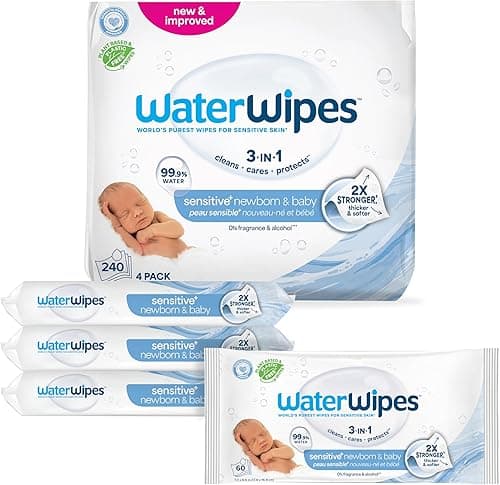
WaterWipes Original Baby Wipes, 99.9% Water, Unscented & Hypoallergenic
Clean those precious rolls with zero drama using the world's purest baby wipes. Featuring just two ingredients, these plant-based wipes are basically a cheat code for avoiding diaper rash while staying eco-friendly. It’s the peace of mind you need for your little one’s sensitive skin, wrapped in a plastic-free package.
WaterWipes Original Baby Wipes, made with 99.9% water and a drop of fruit extract, are an excellent choice for sensitive skin, offering effective cleaning without harsh chemicals or unnecessary additives that could cause irritation.
- Pat Dry, Don't Rub: After cleaning, gently pat the entire diaper area completely dry using a soft towel or a clean cloth. Rubbing can cause further irritation and micro-abrasions to already sensitive skin. Ensure every crease and fold is dry before applying any barrier cream. Residual moisture is an enemy of healthy skin in the diaper zone.
- Air Time: This is a truly magical preventative and healing step that costs nothing but yields immense benefits. Whenever possible, allow your baby to have "naked time" without a diaper. Lay them on a clean towel or a waterproof pad for 10-15 minutes, multiple times a day. This allows the skin to breathe, air out thoroughly, and promotes healing by eliminating the moist, occlusive diaper environment. Many babies adore this freedom of movement and the chance to kick their legs freely!
- Proper Diaper Fit: Ensure diapers are not too tight, which can cause friction and trap moisture. A diaper that is too snug can rub against the skin, creating hot spots and increasing the risk of irritation, particularly around the thighs and waist. Conversely, a diaper that is too loose can lead to leaks and poor containment of waste, increasing skin exposure to irritants. Look for a snug fit that still allows two fingers to comfortably slip under the waistband, and ensure the leg cuffs are properly flared out.
The Art of Application: Maximizing Aquaphor's Benefits
Once a rash appears, consistent and correct application of Aquaphor is crucial for rapid healing and preventing escalation. This isn't a "dab and go" situation; thoroughness matters.
- Clean, Dry Skin is Paramount: Never apply ointment over wet or soiled skin. This traps moisture and irritants against the skin, exacerbating the problem and providing a breeding ground for bacteria or yeast. Always ensure the entire diaper area is perfectly clean and absolutely dry before applying any barrier cream. If you use wipes, give the area a moment to air dry completely.
- Generous, Thick Layer: Don't be shy! For an active rash, apply a thick, visible layer of Aquaphor. You should be able to see the ointment on the skin, not just a thin film that disappears immediately. This thick layer ensures optimal barrier protection, preventing moisture and irritants from reaching the skin, and creating that ideal healing environment. Think of it like frosting a cake – you want generous, even coverage.
- Do Not Rub Excessively: Gently smooth the ointment over the affected area with clean fingers. Rubbing too vigorously can further irritate already inflamed and delicate skin, causing more pain and hindering healing. The goal is to lay down a protective coat, not to massage it into the skin.
- Apply at Every Diaper Change: Consistency is key for healing. Make Aquaphor application a non-negotiable part of your routine for every diaper change, especially overnight or when your baby is more prone to rash (e.g., during teething, after antibiotic use, or with certain food introductions).
Parent-to-Parent Tips: Wisdom from the Trenches
- Dedicated Spatula or Clean Fingers: To maintain hygiene, especially with the large tub of ointment, consider using a clean, dedicated baby ointment spatula or ensuring your hands are meticulously clean before dipping into the tub. This prevents introducing bacteria into the product or spreading germs from your hands to your baby's sensitive skin.
- Have Supplies Readily Available: Designate specific changing stations around your home (e.g., nursery, living room) and keep your Aquaphor tub, preferred wipes, and fresh diapers within easy reach at each. This prevents leaving your baby unattended or scrambling for supplies while they're exposed. A well-stocked diaper caddy is a lifesaver, especially during those bleary-eyed night changes.
- Don't Underestimate "Naked Time": Seriously, a few minutes of diaper-free time several times a day can work wonders for prevention and healing. Babies often enjoy the freedom, and their bottoms thrive on the exposure to air. Just be sure to place a waterproof pad or old towel underneath to catch any accidents.
- Consider a Different Diaper Brand: If your baby experiences persistent rashes despite diligent care, they might have a sensitivity to a component in their current diaper brand. Experimenting with different brands (e.g., dye-free, chlorine-free, or different materials) can sometimes reveal a hidden irritant.
- Sleep Solutions: A baby with diaper rash will often struggle with sleep due to discomfort, leading to more fragmented nights for the entire family. Ensuring they are otherwise comfortable and have a safe, cozy sleep environment can help. Products like the HALO SleepSack Cotton provide a safe alternative to loose blankets, promoting undisturbed rest, which can indirectly help soothe a baby distressed by a rash by eliminating other discomforts.
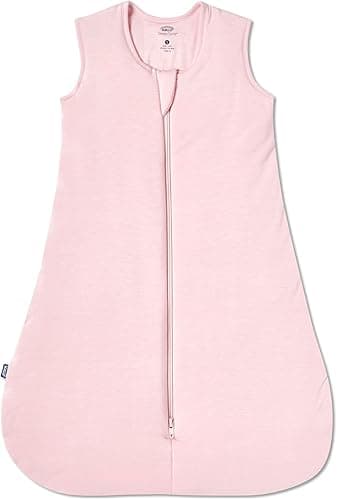
HALO SleepSack Wearable Blanket – 100% Cotton
The HALO SleepSack is the #1 pediatrician-recommended wearable blanket and is accepted by the American Academy of Pediatrics as safe sleep. It keeps babies warm and cozy throughout the night without any loose blanket risk.
Beyond Diaper Rash: The Versatility of Aquaphor
One of the most appealing aspects of Aquaphor Baby Healing Ointment is its incredible versatility. That giant tub you're encouraged to buy? You absolutely will use every last bit of it, for more than just diaper rash, making it an economic and practical choice for the whole family's skin health needs.
Drool Rash and Chapped Skin
Teething often brings with it an abundance of drool, which, while natural, can be highly irritating to delicate facial skin, especially when combined with pacifier use or constant clothing contact.
- Drool Rash: The constant moisture from drool can lead to chapped, red, and irritated skin around the mouth, chin, and neck. This common rash is often mistaken for baby acne. A thin, consistent layer of Aquaphor applied to clean, dry skin creates a protective barrier, preventing irritation and allowing the skin to heal without being constantly re-exposed to moisture. Apply after gently blotting the area dry throughout the day, especially after feedings or naps.
- Chapped Lips and Cheeks: For older babies and toddlers who spend time outdoors, especially in cold, dry, or windy weather, Aquaphor is fantastic for soothing and protecting chapped lips and wind-burned cheeks. Its occlusive nature offers robust protection from harsh environmental aggressors and provides intensive moisture to heal existing chapping, preventing painful cracking.
Minor Scratches, Abrasions, and Dry Patches
Life with a baby or toddler is full of little bumps, scrapes, and various skin challenges. Aquaphor can be a soothing, protective ally here too, helping to heal minor skin traumas and chronic dryness.
- Minor Scratches and Abrasions: For superficial cuts, scrapes, and even cradle cap that needs gentle protection and moisture, a thin layer of Aquaphor can protect the wound from external contaminants, keep it moist (which aids in faster, less noticeable healing and reduces scarring), and prevent surrounding skin from drying out. Always ensure the wound is gently cleaned first.
- Dry Patches and Eczema-Prone Skin: For babies with general dry skin, flaky skin, or mild eczema, Aquaphor can be used as an adjunct to regular moisturizing routines. Its superior occlusive properties are highly effective at locking in moisture, especially when applied immediately after a bath to damp skin. This provides significant relief from dryness, flakiness, and associated itching, helping to restore the compromised skin barrier. While not a standalone eczema treatment, it can be an invaluable part of a comprehensive management plan. Always consult your pediatrician for eczema diagnosis and specific treatment plans.
For the Parents Too: A Universal Skin Savior
That giant tub isn't just for baby! Parents often find themselves reaching for it as well, cementing its status as a household staple that benefits everyone under the roof.
- Dry, Cracked Hands: Frequent hand washing, sanitizing, and exposure to water (especially common for new parents changing diapers, washing bottles, and bathing baby) can lead to severely dry, chapped, and even cracked hands. Aquaphor provides intensive moisture and a protective barrier, offering substantial relief and promoting healing for weary hands. Apply a generous layer before bed and consider wearing cotton gloves for an intensive overnight treatment.
- Cuticle Care: Rub a small amount into cuticles to soften and protect them, preventing painful hangnails and dryness.
- Chafing: For adults experiencing chafing from exercise, clothing, or even prolonged sitting, a thin layer can provide a smooth, protective barrier to reduce friction and irritation in sensitive areas.
- Post-Procedure Care: Many dermatologists recommend Aquaphor for post-procedural skin care (e.g., after minor cuts, scrapes, new tattoos, or some laser treatments) due to its superior healing environment and gentle, hypoallergenic formulation.
The verdict stands: buying the giant tub is not an extravagance; it's an investment in the comfort and skin health of your entire family. Its broad applicability means it will never sit unused, proving its value time and time again.
When to Call the Doctor: Expert Guidance and Alternative Solutions
While Aquaphor is highly effective for most common irritant contact diaper rashes, it's crucial for parents to know when to seek professional medical advice. Not all rashes are created equal, and some may indicate an underlying issue or require prescription treatment. Early intervention can prevent minor rashes from escalating into more serious and painful conditions.
Expert Tip: Don't Hesitate to Call!
Your pediatrician is your best resource for any concerns about your baby's health. Trust your instincts. If something doesn't look or feel right, or if you're worried about your baby's discomfort, always reach out to your healthcare provider. It's always better to be safe than sorry, and a quick phone call can often alleviate concerns or lead to timely treatment.
-
Persistent Rash: If the diaper rash shows no signs of improvement, or if it noticeably worsens, after 2-3 days of consistent, diligent application of Aquaphor and strict adherence to other preventative measures (frequent changes, ample air time, gentle cleaning), it's definitely time to call the doctor. This could indicate a yeast infection (Candida albicans), a bacterial infection, or another underlying issue that requires specific, targeted medication that Aquaphor alone cannot address.
-
Worsening Rash: If the rash is spreading rapidly beyond the typical diaper area, becoming more intensely red, inflamed, developing deep redness, or if your baby seems to be in increasing pain and discomfort despite your best efforts, seek medical advice promptly. Increased fussiness, crying during diaper changes, disturbed sleep, or refusal to tolerate diaper changes are all significant red flags that your baby is experiencing significant pain.
-
Signs of Infection: Be vigilant for specific signs that might indicate a bacterial or fungal infection, as these require medical treatment:
- Blistering, oozing, or open sores: These signify a significant breakdown of the skin barrier, making it vulnerable to infection.
- Pus-filled bumps (pustules): Small white or yellow bumps filled with pus are a strong indicator of bacterial infection, often impetigo.
- Yellowish crusting or honey-colored lesions: These are classic signs of impetigo, a common bacterial skin infection that spreads easily.
- Severe swelling, warmth to the touch, or red streaks emanating from the rash: These are signs of a spreading skin infection (cellulitis) that requires immediate medical attention and usually antibiotics.
- Foul odor: While stool has its own odor, a distinctively foul, unusual smell from the rash area that persists after cleaning can indicate a bacterial or fungal infection.
-
Systemic Symptoms: If your baby develops a fever (a temperature of 100.4°F or higher for infants under 3 months, or any fever in an infant that seems unwell), lethargy, loss of appetite, seems unusually unwell, or has other concerning systemic symptoms in conjunction with the rash, it warrants immediate medical attention. These could be signs of a more widespread infection or other serious systemic illness.
-
Unusual Appearance: Rashes with distinctive "satellite lesions" (small red bumps or spots scattered beyond the main, confluent rash, especially extending into the skin folds) are highly suggestive of a yeast infection. These rashes typically require an antifungal cream (e.g., Nystatin, Clotrimazole) prescribed by a doctor, as barrier creams alone will not eradicate the fungal overgrowth.
-
Painful Urination: If your baby cries, arches their back, or seems uncomfortable during urination, especially if the rash is near the urethra, it could indicate severe irritation, or even a urinary tract infection (UTI) if combined with other symptoms like fever or unexplained fussiness.
-
Recurrent Rash: If your baby frequently gets severe diaper rash despite your best preventative efforts and diligent care, discuss it with your pediatrician. They might explore potential dietary factors (e.g., introduction of new foods, food sensitivities), underlying skin sensitivities (like eczema), or other less common causes that need to be addressed at the root.
For particularly stubborn or severe rashes that haven't responded to Aquaphor alone, some parents find advanced barrier creams specifically formulated with a high percentage of zinc oxide, like Triple Paste Diaper Rash Cream, to be highly effective. These creams often combine robust barrier protection with strong anti-inflammatory properties that can tackle more intense irritation. However, always consult your pediatrician if you are unsure about which product is best or if the rash persists, as they can accurately diagnose the type of rash and recommend the most appropriate treatment.
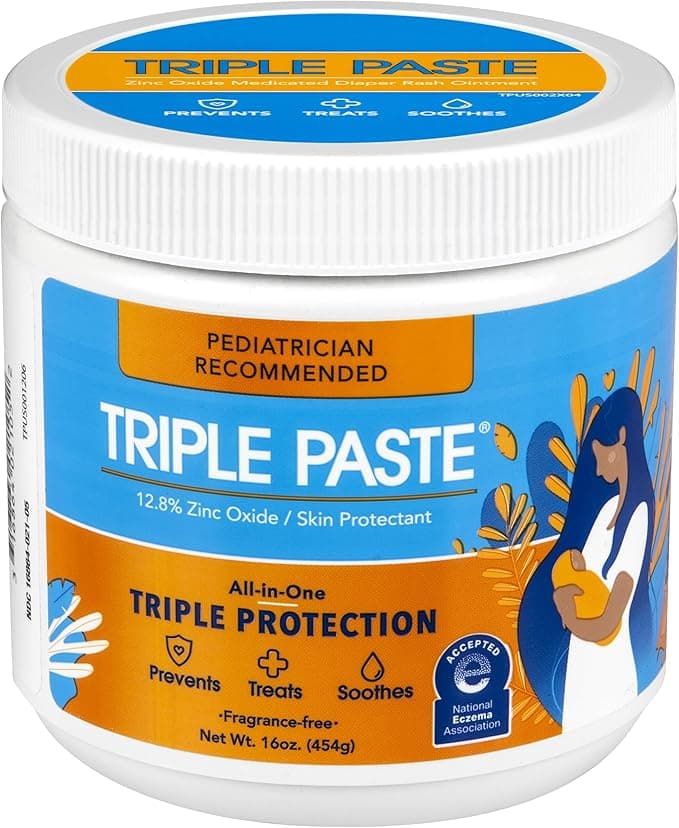
Triple Paste Diaper Rash Cream for Baby - 16 Oz Tub – Zinc Oxide Ointment Treats, Soothes & Prevents Diaper Rash, Pediatrician-Recommended Hypoallergenic Formula, Baby Essentials for Daily & Overnight
Gentle yet effective baby skin care formula: The Triple Paste diaper cream formula leverages the healing properties of 12.8% non-nano zinc oxide and combines them with oat extract, beeswax and more to immediately soothe and treat irritated skin Gentle yet effective baby skin care formula: The Triple Paste diaper cream formula leverages the healing properties of 12.8% non-nano zinc oxide and combines them with oat extract, beeswax and more to immediately soothe and treat irritated skin Medicated diaper rash ointment: Triple Paste is the pediatrician-recommended zinc oxide cream with an all-in-one triple action formula that treats mild to severe rashes, immediately soothes baby’s bum and prevents future diaper rashes Triple Paste baby diaper cream, is celebrated by parents who simply want the best for their baby’s delicate skin; store in your baby's diaper bag for on-the-go ease with baby care products; packaging may vary Better for baby: The diaper ointment is free from fragrance, alcohol, talc, dyes, parabens, phthalates and preservatives; a baby diaper rash cream that is gentle enough for daily use and safe for even the most sensitive skin
Remember, your vigilance and prompt action are crucial for your baby's comfort and health. Don't hesitate to partner with your pediatrician when concerns arise; they are there to support you.
Conclusion: A Cornerstone of Your Parenting Toolkit
In the realm of baby care, where countless products promise miraculous solutions, Aquaphor Baby Healing Ointment stands out not as a fleeting trend, but as a true, unwavering staple. It's more than just a remedy for diaper rash; it's a testament to the power of a well-formulated, gentle, and highly effective protective barrier. By understanding the intricate science behind infant skin vulnerability and adopting consistent, proactive care practices, parents can confidently navigate the often-challenging waters of diaper rash, knowing they have a powerful and trusted ally in Aquaphor.
This multi-purpose ointment offers profound peace of mind, not just for diligently healing existing irritation but also for robustly preventing future discomfort. Its exceptional versatility extends far beyond the diaper area, proving invaluable for soothing drool rash, mending minor scrapes and dry patches, and even providing much-needed relief for overworked and chapped parent hands. The sheer number of uses makes that giant tub not just practical, but essential.
So, embrace the giant tub. It's an indispensable, versatile, and trusted component of any comprehensive parenting toolkit, ensuring your baby's delicate skin remains protected, healthy, and happy. In the journey of parenthood, having reliable solutions for common discomforts allows you to focus more on the joys and wonders of watching your little one grow. Aquaphor helps make that possible, one healthy, comfortable bottom at a time.