Bringing Baby Home: 5 Absolute Essentials for Your First Week
The day you bring your baby home from the hospital is often described as a blur of immense love, extreme exhaustion, and a sudden realization that you are entirely responsible for a tiny, vulnerable human. It's a profound transition, often called the "fourth trimester," where both parents and baby are adjusting to a new world. The internet, well-meaning friends, and endless baby registries will tell you that you need a wipe warmer, a wipe dispenser, a wipe holder, and forty other specialized items. You don't.
At GooGaia, we believe in empowering parents with evidence-based information and practical wisdom. After analyzing the data, consulting with pediatric specialists, and gleaning insights from thousands of parents, we've distilled the true essentials you need for those first critical days and weeks. Our focus is on fostering safety, promoting healthy development, and simplifying your life so you can focus on the most important task of all: bonding with your new arrival.
The Fourth Trimester: Embracing the New Reality
The term "fourth trimester" aptly describes the first three months of a baby's life outside the womb. During this period, newborns are still undergoing significant neurological and physiological development. They crave the warmth, containment, and constant presence they experienced in utero. This understanding is foundational to choosing items that truly support their transition and your parenting journey. Our selections prioritize safe sleep, effective hygiene, comforting care, and practical solutions that stand up to the rigorous demands of new parenthood.
Beyond the Hype: True Essentials for Your First Week
Our GooGaia philosophy is about intentional preparation. We aim to cut through the noise of unnecessary gadgets and focus on items that genuinely make a difference in your day-to-day life and contribute to your baby's well-being. These aren't just "nice-to-haves"; they are foundational tools that streamline care, enhance safety, and support both baby and parent during this transformative time.
Here are the absolute must-haves for bringing baby home, thoroughly explained and expanded.
1. A Guaranteed Safe Close-to-Bed Sleep Space
In the first few weeks, the only thing you will care about is getting your baby to sleep safely so you can sleep safely. The proximity to your baby during these early weeks is not just for convenience; it's a cornerstone of infant development and safety.
Why Proximity Matters: The Fourth Trimester & SIDS Prevention
Newborns are innately wired to be close to their primary caregivers. This "fourth trimester" need for closeness promotes security, helps regulate their temperature and breathing, and aids in establishing early feeding routines. The American Academy of Pediatrics (AAP) strongly recommends room-sharing (baby sleeping in the same room as the parents, but in their own separate safe sleep space) for at least the first six months, and ideally up to a year. This practice has been shown to reduce the risk of Sudden Infant Death Syndrome (SIDS) by up to 50%. A bedside bassinet, like the Halo Bassinest Swivel Sleeper mentioned in the original article, allows your baby to sleep as close to you as possible while remaining in a separate, safe space. Its 360-degree swivel allows you to pull the bassinet over your mattress, making middle-of-the-night retrievals and feedings significantly easier—especially if you are recovering from a C-section.
Creating a Safe Sleep Sanctuary
Regardless of the specific product, the principles of safe sleep remain paramount:
- Firm, Flat Surface: Always place your baby on their back on a firm, flat sleep surface.
- No Loose Bedding: Keep the sleep space clear of blankets, pillows, bumper pads, and soft toys. These items pose suffocation risks.
- Optimal Room Temperature: Ensure the room is cool and comfortable, typically between 68-72°F (20-22°C), to prevent overheating, which is another risk factor for SIDS.
Expert Tip: Recognizing Sleep Cues
Newborns sleep a lot – often 16-18 hours a day – but in short bursts. Learn to recognize their sleep cues (yawning, eye-rubbing, fussiness) and put them down drowsy but awake. This helps them learn to self-soothe and develop healthy sleep habits over time. Don't worry if their sleep patterns seem erratic at first; consistency in routine, even if short, helps their developing circadian rhythm.
The Role of Safe Sleepwear
Given the recommendation against loose blankets, safe sleepwear becomes an essential component of your baby's sleep environment. Swaddles are fantastic for newborns as they mimic the feeling of being in the womb, which can calm the Moro reflex (startle reflex) and promote longer stretches of sleep. As babies grow and show signs of rolling over, typically around 2-4 months, it’s crucial to transition them out of swaddles. This is where sleep sacks become invaluable. They provide warmth without the risks of loose bedding.
A prime example of safe and comfortable sleepwear is the HALO SleepSack Cotton.
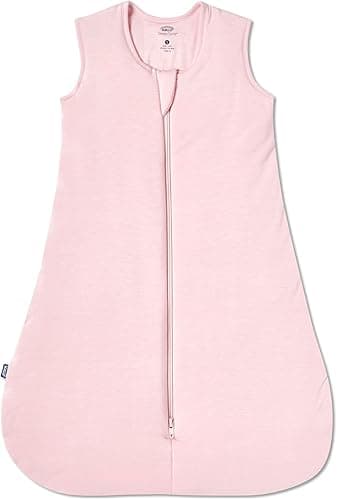
HALO SleepSack Wearable Blanket – 100% Cotton
The HALO SleepSack is the #1 pediatrician-recommended wearable blanket and is accepted by the American Academy of Pediatrics as safe sleep. It keeps babies warm and cozy throughout the night without any loose blanket risk.
Designed as a wearable blanket, the HALO SleepSack keeps your baby warm and cozy without the hazards of loose blankets in the crib. The cotton fabric is breathable, helping to prevent overheating, and the sleeveless design allows for proper arm movement while keeping the torso warm. Its roomy design ensures your baby can move their hips and legs freely, which is important for healthy hip development. Using a sleep sack consistently signals to your baby that it’s time for sleep, helping to establish a comforting bedtime routine from day one.
When to Call the Doctor About Sleep
While newborn sleep is often irregular, certain signs warrant a call to your pediatrician: if your baby is unusually lethargic and difficult to rouse, if they consistently struggle to breathe or make gasping noises during sleep, or if they suddenly stop feeding well in conjunction with extreme sleepiness.
2. A Dedicated Changing Station That Doesn't Need Laundry
You will change up to 12 diapers a day in the first week, and likely 8-10 for months to come. This isn't just a number; it's a significant portion of your daily routine. Efficiency and hygiene at the changing station are non-negotiable.
The Diapering Deluge: Understanding Frequency & Hygiene
Newborns have immature digestive systems and frequent bowel movements, often after every feeding. Their skin is also incredibly delicate and prone to irritation. A dedicated, easy-to-clean changing station minimizes mess, reduces the risk of diaper rash, and keeps germs contained. If you use a traditional fabric changing pad, you will be doing laundry every single day when (not if) a blowout occurs. The Keekaroo Peanut Changer, as highlighted in the original article, is made of a solid, impermeable foam. When a mess happens, you just wipe it down with a sanitizing wipe and you're done. It's aesthetically pleasing, slip-resistant, and entirely waterproof, making cleanup a breeze and saving you countless laundry cycles.
Setting Up Your Efficient Changing Hub
Your changing station should be a command center. Keep all essentials within arm's reach: diapers, wipes, diaper cream, a clean onesie, and perhaps a small toy or mobile for distraction. This prevents you from ever needing to turn your back on your baby, which is crucial for safety on an elevated surface.
Choosing Gentle Wipes for Delicate Skin
A newborn's skin barrier is still developing, making it highly susceptible to irritation from fragrances, alcohol, and harsh chemicals found in many baby products. Choosing the right wipes is therefore critical.
Consider a product like WaterWipes Original Baby Wipes.

WaterWipes Original Baby Wipes, 99.9% Water, Unscented & Hypoallergenic
Clean those precious rolls with zero drama using the world's purest baby wipes. Featuring just two ingredients, these plant-based wipes are basically a cheat code for avoiding diaper rash while staying eco-friendly. It’s the peace of mind you need for your little one’s sensitive skin, wrapped in a plastic-free package.
These wipes are made with 99.9% water and a drop of fruit extract, making them incredibly gentle for sensitive newborn skin. They are free from fragrances, alcohol, and parabens, minimizing the risk of irritation and allergic reactions. Using such pure wipes helps maintain the delicate pH balance of your baby's skin, reducing the likelihood of redness and discomfort, especially during those frequent early changes.
Battling Diaper Rash: Prevention and Treatment
Diaper rash is almost inevitable at some point. Its causes range from prolonged wetness, friction, and sensitivity to certain foods or yeast. Prevention is key: change diapers frequently, allow baby’s bottom to air dry whenever possible, and use a protective barrier cream.
For treatment and robust prevention, we recommend Triple Paste Diaper Rash Cream.

Triple Paste Diaper Rash Cream for Baby - 16 Oz Tub – Zinc Oxide Ointment Treats, Soothes & Prevents Diaper Rash, Pediatrician-Recommended Hypoallergenic Formula, Baby Essentials for Daily & Overnight
Gentle yet effective baby skin care formula: The Triple Paste diaper cream formula leverages the healing properties of 12.8% non-nano zinc oxide and combines them with oat extract, beeswax and more to immediately soothe and treat irritated skin Gentle yet effective baby skin care formula: The Triple Paste diaper cream formula leverages the healing properties of 12.8% non-nano zinc oxide and combines them with oat extract, beeswax and more to immediately soothe and treat irritated skin Medicated diaper rash ointment: Triple Paste is the pediatrician-recommended zinc oxide cream with an all-in-one triple action formula that treats mild to severe rashes, immediately soothes baby’s bum and prevents future diaper rashes Triple Paste baby diaper cream, is celebrated by parents who simply want the best for their baby’s delicate skin; store in your baby's diaper bag for on-the-go ease with baby care products; packaging may vary Better for baby: The diaper ointment is free from fragrance, alcohol, talc, dyes, parabens, phthalates and preservatives; a baby diaper rash cream that is gentle enough for daily use and safe for even the most sensitive skin
This thick, hypoallergenic cream forms a powerful barrier that protects irritated skin and promotes healing. Its unique blend of oat extract and beeswax helps soothe inflammation and provides long-lasting relief from even severe diaper rash. It's formulated without fragrances, parabens, or dyes, making it safe for delicate skin, and is often recommended by pediatricians for its effectiveness. Having this on hand from day one will save you stress and keep your baby comfortable.
Practical Parent-to-Parent Tips
- The Pee Shield: For boy babies, keep a fresh diaper or a wipe strategically placed over his penis during changes to prevent unexpected showers.
- Layering: For messy changes, place a cloth diaper or waterproof pad under the baby before you start. It catches leaks and saves your changing pad from extra scrubbing.
- Forehead Kisses: If your baby is fussy during a change, a gentle kiss or touch on the forehead can often soothe them into stillness, as it triggers a calming reflex.
When to Call the Doctor About Diaper Issues
Consult your pediatrician if a diaper rash does not improve after 2-3 days of consistent treatment, if it looks severely red, raw, or blistered, if there are pus-filled bumps, or if your baby develops a fever alongside the rash. These could indicate a yeast infection or bacterial infection requiring prescription treatment.
3. An Odor-Trapping Pail That Uses Regular Bags
Speaking of diapers, you need somewhere to put them that doesn't turn your nursery (or entire home) into a fragrant horror. Newborn poop, especially from breastfed babies, isn't too offensive initially, but as their diet changes, so does the smell.
The Unavoidable Truth: Diaper Odor
Anyone who's lived with a baby knows the potent truth: soiled diapers, if not properly contained, can quickly permeate a room. A dedicated diaper pail isn't a luxury; it's a necessity for maintaining a pleasant and hygienic home environment. Simply throwing them into a regular trash can, even a lidded one, is often not enough to contain the smell.
Why a Dedicated Pail is a Game-Changer
A well-designed diaper pail offers superior odor control compared to a standard trash can. These pails are specifically engineered with features like double-seals, carbon filters, or advanced clamping systems to trap odors effectively. This means you can keep soiled diapers out of sight and out of mind until it's convenient to empty the pail, rather than rushing to take out the trash every few hours.
The Ubbi Diaper Pail, a favorite mentioned in the original article, stands out because it's made of steel, not plastic. Plastic absorbs odors over time; steel does not. Even better, the Ubbi doesn't require expensive, proprietary refill rings. You can use standard kitchen trash bags, which will save you hundreds of dollars over your child's diapering years.
However, there are other excellent options depending on your preference for features and design.
The Diaper Genie Signature Pail is another highly popular choice.
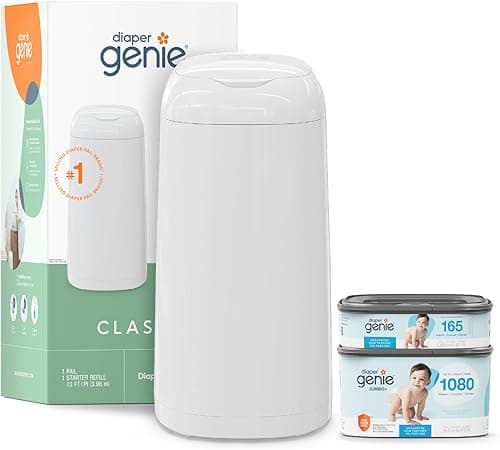
Diaper Genie Signature Pail - Odor Control System
Stop letting your nursery smell like a locker room; this pail uses double-tite clamps to literally lock the 'stink' away. The foot pedal is a total lifesaver for those 3 AM changes when you're essentially a zombie with only one free hand.
The Diaper Genie Signature Pail uses a multi-layer refill bag system with an odor-locking clamp that seals in odors. Its foot-pedal opening allows for hands-free disposal, which is incredibly convenient when you're holding a squirming baby. While it uses proprietary refill bags, many parents find the convenience and superior odor control worth the investment, particularly for containing stronger toddler odors down the line. It's a robust solution for keeping your nursery fresh and clean.
Maintaining Hygiene and Freshness
Whichever pail you choose, remember to empty it regularly – typically every 1-2 days, or when full. Periodically clean the inside of the pail with a disinfectant spray or wipe to eliminate any lingering bacteria or odors that might accumulate.
4. An All-In-One Nursery Command Center
Newborns are used to a constant symphony of sounds and sensations from the womb, a world as loud as a vacuum cleaner. A perfectly quiet room, ironically, can be unsettling for them. White noise is critical for helping newborns transition to their new environment and establish healthy sleep patterns.
The Womb Experience: Why White Noise is Calming
The consistent, low-frequency hum of white noise mimics the sounds a baby hears in utero – the whooshing of blood, the mother's heartbeat, and muffled external noises. This familiarity provides a sense of security and comfort, helping newborns drift off to sleep more easily and stay asleep longer by masking abrupt household noises.
More Than Just Sound: Light, Timers, and Smart Control
Modern nursery command centers go beyond simple white noise. They integrate features that support the entire sleep environment. The Hatch Rest+, mentioned in the original article, is the gold standard for nursery sound and light. You can control everything from your phone without entering the room and risking waking the baby. This remote control feature is invaluable during late-night feedings or early morning wake-ups, allowing you to adjust light and sound levels discreetly. It also has an internal battery, so if you lose power or need to move the baby to another room, the white noise comes right along with you.
These devices often include:
- Customizable Sounds: A variety of white noise, nature sounds, and lullabies.
- Soft Night Lights: Gentle, dimmable lights in various colors that are perfect for nighttime feedings and diaper changes without fully waking the baby.
- Time-to-Rise Functions: For older babies and toddlers, these can serve as visual cues for when it’s acceptable to wake up, aiding in routine establishment.
The Science of Sleep: Establishing Healthy Rhythms
Consistent sleep environments, including ambient sound and light, play a crucial role in an infant's neurodevelopment. They help babies develop a sense of predictability and establish their circadian rhythm, which is vital for long-term healthy sleep patterns. By creating a predictable sleep environment from the start, you're laying the groundwork for better sleep habits as your child grows.
Practical Tips for Optimal Use
- Optimal Volume: White noise should be no louder than a soft shower (around 50-60 decibels) and placed several feet away from the baby's head.
- Consistency: Use white noise for all naps and nighttime sleep to create a consistent sleep cue.
- Lighting for Night Feeds: Utilize a red or amber-toned light setting during night feeds and changes. These colors are less disruptive to sleep hormones than blue or white light, helping both you and baby get back to sleep more easily.
5. A Bottle that Mimics Natural Feeding Flows
Even if you plan to exclusively breastfeed, having a few reliable bottles on hand is a critical backup plan. Circumstances can change unexpectedly – a need for supplementation, a medical procedure, or simply the desire for a partner to share in feeding responsibilities.
The "Fed is Best" Philosophy: Supporting All Feeding Journeys
The most important thing is that your baby is fed and thriving, whether through breastfeeding, formula feeding, or a combination. Having bottles prepared for formula or expressed breast milk offers flexibility and peace of mind. It allows partners to participate in feeding, giving the breastfeeding parent a much-needed break and fostering bonding for the non-nursing parent.
Paced Bottle Feeding: Nurturing Instinctive Sucking
Paced bottle feeding is a technique that mimics the flow of breastfeeding, allowing the baby to control the pace of milk delivery. This reduces the risk of overfeeding, minimizes gas and reflux by slowing down milk intake, and can help prevent "nipple confusion" if you're combination feeding. The Philips Avent Natural Baby Bottle, highlighted in the original article, is designed with a "Natural Response" nipple that requires the baby to actively suck and swallow to release milk, just like breastfeeding. Because milk only flows when the infant is actively feeding, it drastically reduces choking, spitting up, and the ingestion of air (colic). It gives parents peace of mind that their newborn is drinking at a safe, self-regulated pace.
Choosing the Right Bottle and Nipple
Look for bottles with features that support paced feeding and reduce air intake. A slow-flow nipple is essential for newborns, as it prevents them from being overwhelmed by too much milk too quickly. Wide-neck bottles are often easier to clean and fill. Consider bottles that are easy to assemble and clean, as you'll be doing this multiple times a day.
Essential Sterilization and Cleaning
Newborns have immature immune systems, so proper sterilization of bottles, nipples, and pump parts is crucial for the first few months.
- Sterilization Methods: This can be done by boiling for 5 minutes, using a steam sterilizer (microwave or electric), or a dishwasher with a sanitizing cycle.
- Cleaning: Use hot, soapy water and a dedicated bottle brush for thorough cleaning immediately after each use to prevent bacterial growth.
Expert Tip: Recognizing Feeding Cues & When to Seek Help
Learn your baby's hunger cues (rooting, lip smacking, bringing hands to mouth, fussiness – crying is a late sign). Offer the bottle or breast when they show these early cues. If you have concerns about your baby's feeding, weight gain, or latch, don't hesitate to consult with your pediatrician or a certified lactation consultant. They are invaluable resources for ensuring your baby is getting adequate nourishment and your feeding journey is successful.
Beyond the Core 5: Essential Comfort & Care Tools
While the above five categories cover the absolute necessities for your first week, a truly definitive guide wouldn't be complete without touching on a few additional comfort and care items that can significantly ease common newborn discomforts. Having these on hand can transform a fussy moment into a calm one.
Addressing Common Newborn Discomforts
Newborns communicate their discomfort through crying, and deciphering their needs can be challenging. A little extra help for common issues like congestion or gas can make a world of difference for both baby and parent.
Nasal Congestion: The SnotSucker Solution
Newborns are obligate nose breathers, meaning they primarily breathe through their noses. Even a tiny bit of mucus or dry boogers can make them sound congested, feed less efficiently, and sleep restlessly. A nasal aspirator is indispensable for clearing their airways gently.
The NoseFrida The SnotSucker is a game-changer for clearing stuffy noses.
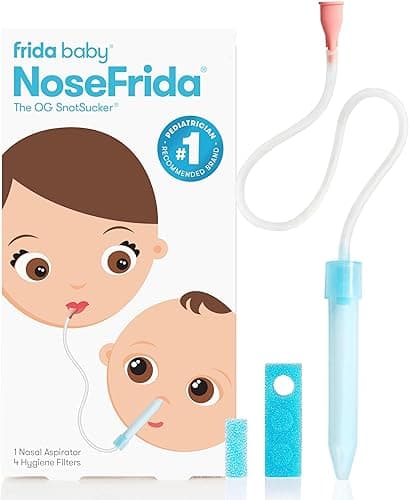
Frida Baby NoseFrida The Snotsucker Baby Nasal Aspirator
Look, we know sucking snot sounds like a horror movie plot, but the NoseFrida is the GOAT of nursery essentials. It’s weirdly satisfying, incredibly effective, and way more hygienic than those old-school bulbs that grow mold in secret.
Unlike traditional bulb aspirators that can be difficult to clean and less effective, the NoseFrida allows parents to use their own suction to clear baby's nasal passages. The ingenious design includes disposable filters that prevent any transfer of mucus or germs, making it hygienic and highly effective. Clearing your baby's nose before feedings or sleep can significantly improve their comfort and ability to nurse or bottle-feed, preventing frantic, interrupted feeds and promoting more restful sleep.
Gas Relief: Gentle Solutions for Tiny Tummies
Newborns are prone to gas due to their immature digestive systems, air swallowed during feeding, and general fussiness. While burping and gentle bicycle kicks can help, sometimes they need a little more assistance. While we recommend consulting your pediatrician for persistent gas issues, a gentle gas reliever can provide immediate comfort. Products like the Frida Baby Windi Gas Reliever (not one of the 5 requested product cards, but a relevant example for this section) are designed to safely and gently release trapped gas, offering quick relief for a colicky baby. Always follow instructions carefully and use sparingly.
The Bottom Line: Trusting Your Instincts and Embracing the Journey
You'll quickly find that babies actually need very little: warmth, food, a clean diaper, and most importantly, you. But having these specific, well-chosen tools at your disposal will make your job significantly easier, less stressful, and more hygienic.
Remember, the first few weeks are a period of intense learning for both you and your baby. Be kind to yourself, accept help when it's offered, and trust your instincts. GooGaia is here to provide the expert guidance, but the true wisdom comes from your unique journey with your little one. Focus on bonding, cherishing the tiny moments, and celebrating the miraculous new life you've brought home.