Cloth Diapering for People Who Are Scared of Cloth
Embracing Cloth Diapering: A Comprehensive Guide for the Apprehensive Parent
The journey into parenthood is filled with exciting firsts, incredible bonding moments, and, let's be honest, a fair share of daunting decisions. Among these, the choice of diapering often sparks a lively debate. For many, the idea of cloth diapers conjures images of complex folds, messy changes, and endless laundry — a far cry from the convenient disposable norm. But what if we told you that modern cloth diapering has evolved dramatically, offering an incredibly simple, effective, and sustainable path that even the most skeptical parent can embrace?
At GooGaia, we understand the apprehension. We've spoken to countless parents who initially shied away from cloth, only to discover a system that not only works seamlessly but also aligns with their values for their baby and the planet. This comprehensive guide is for you, the parent who's curious but scared, the one who wants to make an informed choice without feeling overwhelmed. We're here to demystify cloth diapering, transforming it from a source of anxiety into an empowering aspect of your parenting journey.
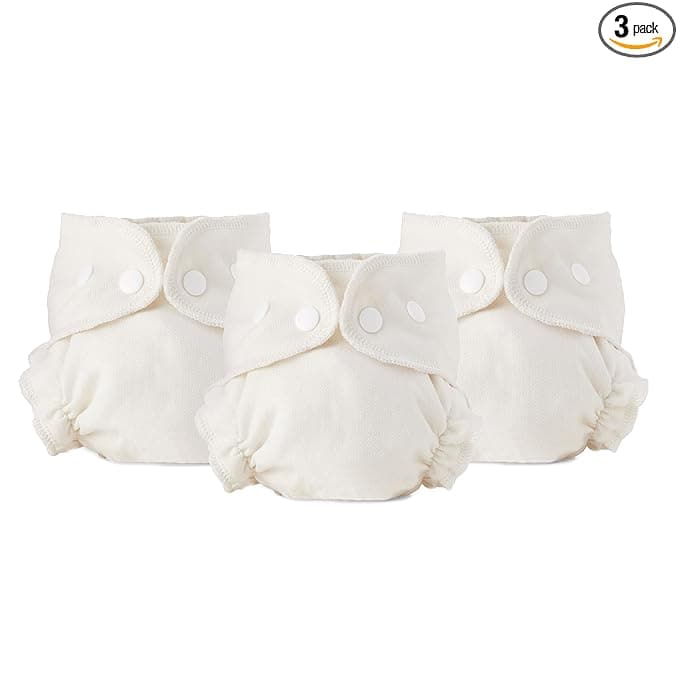
Leading the charge in simplifying cloth diapering are innovative systems like Esembly. They've stripped away the complexities, offering a straightforward, two-part system: a soft, absorbent 'inner' and a waterproof 'outer.' This design washes clean, every single time, making the transition surprisingly smooth.
Why Consider Cloth? Beyond the "Crunchy" Stereotype
The motivations for choosing cloth diapers are as diverse as families themselves. While environmental consciousness is often a primary driver, the benefits extend far beyond sustainability, touching upon baby's health, long-term finances, and even developmental insights.
Environmental Impact: A Kinder Footprint
Every year, billions of disposable diapers end up in landfills, where they can take up to 500 years to decompose. These diapers contribute significantly to municipal waste, consuming vast resources in their production and disposal. Opting for cloth diapers dramatically reduces this environmental burden. By washing and reusing, you're not just reducing waste; you're actively participating in a more circular economy, lowering your family's carbon footprint and setting a positive example for future generations.
Health and Wellness for Baby: Breathability and Reduced Chemical Exposure
One of the most compelling arguments for cloth diapering from a pediatric perspective is its potential benefits for baby's delicate skin. Disposables often contain gels, dyes, and fragrances, which, while generally safe, can sometimes be irritants for sensitive skin. Moreover, the plastic components in many disposables can trap heat and moisture, creating a warm, damp environment – a perfect breeding ground for bacteria and yeast, leading to diaper rash.
Cloth diapers, especially those made from natural fibers like organic cotton, are inherently more breathable. This increased air circulation helps regulate temperature and minimize moisture buildup, supporting a healthier skin barrier. From a scientific standpoint, maintaining skin integrity is crucial for newborns whose skin barrier is still developing. Reduced exposure to potential irritants and a cooler, drier environment can lead to fewer instances of painful diaper rash and better overall skin health.
Economic Savings: A Smart Investment
While the initial outlay for a cloth diaper stash might seem higher than a single pack of disposables, the long-term savings are substantial. A full cloth diaper system can cost anywhere from $200-$600 upfront, but this investment covers your baby from birth to potty training. Compare this to the estimated $2,000-$3,000 you might spend on disposable diapers over the same period. The math quickly adds up, making cloth a financially savvy choice for many families.
Developmental Awareness: Fostering Potty Training Cues
Anecdotal evidence from many parents and some early childhood educators suggests that babies in cloth diapers may show earlier signs of potty training readiness. This isn't a guaranteed outcome, but it's theorized that the feeling of wetness in a cloth diaper provides a more immediate and noticeable sensation compared to the super-absorbent nature of disposables. This tactile feedback can help children connect the sensation of needing to go with the act itself, potentially fostering earlier awareness and readiness for toilet training.
Addressing Your Fears: Dispelling Cloth Diaper Myths
The biggest hurdle for many parents is overcoming the ingrained myths and fears surrounding cloth diapering. Let's tackle them head-on with empathy and evidence.
"It's Too Much Work/It's Gross!"
This is perhaps the most common misconception. Modern cloth diapering is a world away from the pins and boiling of generations past.
- The "Gross" Factor: For exclusively breastfed newborns, stools are water-soluble and can go directly into the wash. For older babies or formula-fed infants, a quick rinse with a diaper sprayer or the use of flushable liners makes solid waste disposal easy. No more hand-scrubbing. Diaper pails (dry pails, specifically – not the traditional water-filled kind) with waterproof liners keep smells contained until wash day. Forget the idea of dedicated diaper pails for cloth diapers, as they often seal in moisture and odors, making things worse. Instead, a simple open-mesh laundry hamper or a large wet bag works best for air circulation.
- Laundry Management: Think of it like an extra load or two of laundry every 2-3 days. It quickly becomes part of your routine, no more cumbersome than managing baby's clothes or swaddles.
"It's Expensive!"
As discussed, the upfront cost is an investment, but it's an investment that pays dividends over time. There are also many ways to acquire cloth diapers affordably, from buying used sets to taking advantage of sales.
"My Baby Will Get More Rashes!"
This fear is often linked to the myth of unhygienic cloth. In reality, modern cloth diapers, when changed frequently and washed correctly, can lead to fewer rashes due to their breathability and lack of irritating chemicals. If a rash does occur, understanding its cause (e.g., wetness, yeast, irritation) and selecting the right treatment is key.
"Blowouts Will Be Worse!"
This is where systems like Esembly truly shine. The original text highlighted the "blowout-proof" design, and this isn't an exaggeration. Disposables rely on a single elastic barrier which can often fail to contain explosive newborn poops, leading to infamous "up-the-back" blowouts.
Demystifying Cloth Diapering with Esembly: A Closer Look
Esembly has truly revolutionized the entry point into sustainable diapering, focusing on simplicity and effectiveness. Their system is elegantly designed to make cloth accessible for everyone.
The Two-Part System Explained: Inner and Outer
-
The 'Inner' (Absorption): Esembly's inners are crafted from 100% GOTS certified organic cotton. This choice is deliberate and rooted in scientific understanding of textile properties and baby skin health. Organic cotton is highly absorbent, soft against sensitive skin, and free from pesticides and harsh chemicals often used in conventional cotton farming. For a newborn, whose skin barrier is still immature, minimizing exposure to potential irritants is paramount. Organic cotton also allows for excellent breathability, which helps regulate the microclimate within the diaper, keeping baby cooler and drier than many synthetic alternatives. This reduced heat and moisture are critical in preventing common skin irritations.
-
The 'Outer' (Containment): The Esembly outer shell provides the essential waterproof barrier. Made from recycled polyester with a TPU (thermoplastic polyurethane) laminate, these outers are durable, flexible, and crucially, completely waterproof. The recycled content speaks to the brand's commitment to sustainability, while the TPU laminate is a safe and effective alternative to older PVC laminates, providing a breathable yet impenetrable layer that prevents leaks.
The Blowout-Proof Advantage: A Double Barrier of Defense
This is arguably Esembly's most celebrated feature and a direct answer to one of parents' biggest fears. The design incorporates not one, but two sets of gentle elastics:
- The 'inner' has ruffled leg elastics that snuggle comfortably around your baby's thighs, creating a primary containment barrier right at the source of absorption.
- The 'outer' then provides another, distinct set of elastics around the legs and waist.
This innovative double-barrier system acts as a formidable defense against leaks and blowouts. Imagine an explosive bowel movement: the inner's elastics contain the bulk of it. Should anything manage to escape that first line, the outer's robust, waterproof barrier is there to catch it, preventing any mess from reaching clothes, car seats, or bedding. This design is a significant improvement over many disposable diapers, which often only have a single, less forgiving elastic. The peace of mind this provides, especially during those unpredictable newborn days, is invaluable.
Practicalities of Cloth Diapering: Making it Work for Your Family
Transitioning to cloth doesn't have to be overwhelming. With a few simple steps and the right tools, it quickly becomes second nature.
Getting Started: What You Need (Beyond Diapers)
- A Stash of Inners and Outers: Esembly recommends 20-24 inners and 5-6 outers for full-time cloth diapering, allowing for washing every 2-3 days. This ensures you always have a fresh supply.
- Wet Bags or Pail Liner: These are essential for storing soiled diapers between washes. They are waterproof, washable bags that contain odors and moisture. For home, a large pail liner in an open hamper is great. For on-the-go, smaller wet bags are perfect.
- Diaper Sprayer (Optional but Recommended): Attaches to your toilet and makes rinsing solid waste a breeze.
- Appropriate Detergent: Not all detergents are created equal for cloth diapers. You need one that's strong enough to clean effectively without leaving residues that can cause repelling or rashes. Esembly offers its own detergent, but many mainstream heavy-duty detergents work well. Avoid detergents with fabric softeners, optical brighteners, or excessive dyes and perfumes, as these can build up and reduce absorbency or irritate skin.
- Cloth Diaper Safe Diaper Cream: Many petroleum-based or zinc-oxide heavy diaper creams can create a residue on cloth diapers, leading to decreased absorbency over time. Look for creams specifically labeled as "cloth diaper safe." These are typically made with natural oils or non-petroleum bases that wash out easily. However, in cases of severe rash, effective treatment is paramount. For stubborn rashes, especially those accompanied by irritation, a strong barrier cream is essential.
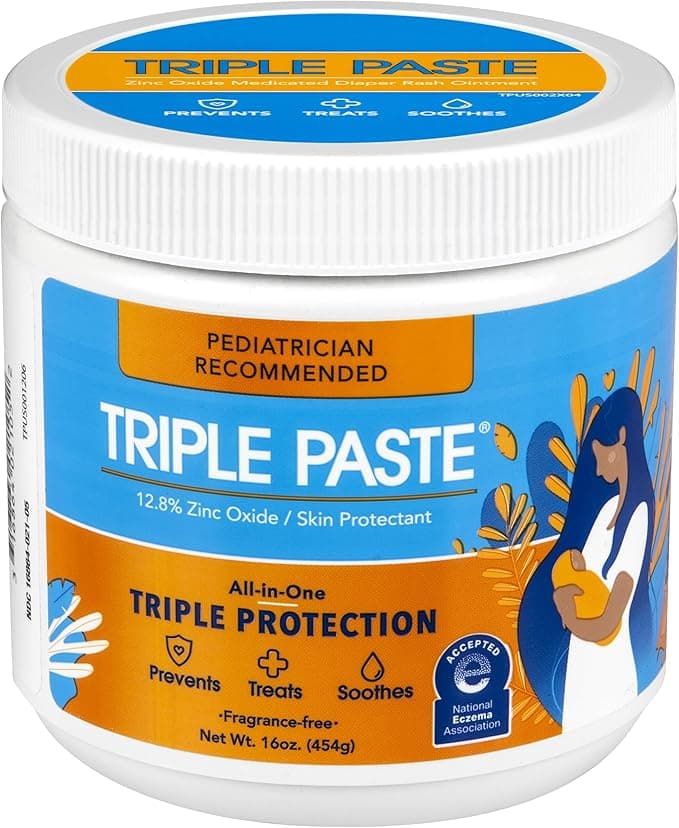
Triple Paste Diaper Rash Cream for Baby - 16 Oz Tub – Zinc Oxide Ointment Treats, Soothes & Prevents Diaper Rash, Pediatrician-Recommended Hypoallergenic Formula, Baby Essentials for Daily & Overnight
Gentle yet effective baby skin care formula: The Triple Paste diaper cream formula leverages the healing properties of 12.8% non-nano zinc oxide and combines them with oat extract, beeswax and more to immediately soothe and treat irritated skin Gentle yet effective baby skin care formula: The Triple Paste diaper cream formula leverages the healing properties of 12.8% non-nano zinc oxide and combines them with oat extract, beeswax and more to immediately soothe and treat irritated skin Medicated diaper rash ointment: Triple Paste is the pediatrician-recommended zinc oxide cream with an all-in-one triple action formula that treats mild to severe rashes, immediately soothes baby’s bum and prevents future diaper rashes Triple Paste baby diaper cream, is celebrated by parents who simply want the best for their baby’s delicate skin; store in your baby's diaper bag for on-the-go ease with baby care products; packaging may vary Better for baby: The diaper ointment is free from fragrance, alcohol, talc, dyes, parabens, phthalates and preservatives; a baby diaper rash cream that is gentle enough for daily use and safe for even the most sensitive skin
Expert Tip: If you need to use a non-cloth-safe cream, you can use a disposable liner between the baby and the diaper to protect your cloth from residue.
The Changing Routine: Cleanliness and Comfort
Changing a cloth diaper is much like changing a disposable, with a few key differences:
- Frequency: Newborns require very frequent changes (every 1-2 hours) due to their rapid urination and bowel movements. Older babies might go 2-3 hours. Frequent changes are crucial for preventing diaper rash, regardless of diaper type.
- Wiping: Always wipe front to back, especially for girls, to prevent the spread of bacteria. For sensitive newborn skin, or if your baby is prone to rashes, consider using water-based wipes.
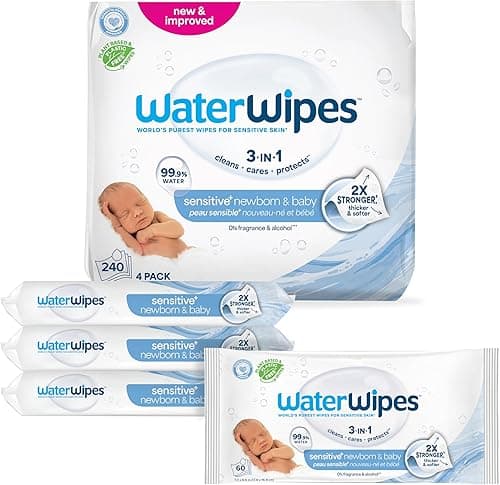
WaterWipes Original Baby Wipes, 99.9% Water, Unscented & Hypoallergenic
Clean those precious rolls with zero drama using the world's purest baby wipes. Featuring just two ingredients, these plant-based wipes are basically a cheat code for avoiding diaper rash while staying eco-friendly. It’s the peace of mind you need for your little one’s sensitive skin, wrapped in a plastic-free package.
These contain 99.9% water and a drop of fruit extract, making them incredibly gentle.
- Comfortable Changing Station: A designated changing area with all supplies within reach is crucial. While not directly for diapering, a supportive pillow can make feeding or comforting your baby before or after a change much more pleasant.
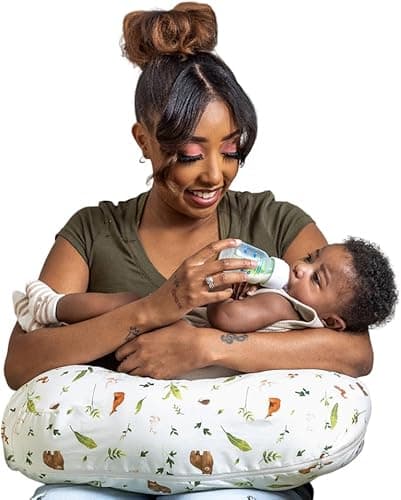
Boppy Nursing Pillow and Positioner - Original Support
This classic nursing pillow is the ultimate postpartum wingman, saving your back while your tiny human snacks. It’s a total multitasker too, effortlessly transitioning from feeding support to a propped-up lounge spot and tummy time station as your baby hits those early milestones.
These versatile pillows offer excellent support for both parent and baby during feeding, allowing you to comfortably position your baby for those important cuddles and feeds that often accompany diaper changes.
The Wash Routine: Simplicity in Cycles
The Esembly system is designed for a straightforward machine wash routine, typically every 2-3 days.
- Pre-Wash (Cold/Warm, Small Amount of Detergent): This cycle rinses away initial soil and prepares the diapers for a thorough clean.
- Main Wash (Hot, Full Amount of Detergent): This is where the magic happens. Use the hottest water your machine allows and a heavy-duty detergent to sanitize and thoroughly clean the diapers. Ensure your machine isn't overfilled, allowing ample agitation.
- Extra Rinse (Optional): If you have hard water or a baby with very sensitive skin, an extra rinse can help ensure all detergent residues are removed.
- Drying: You can tumble dry your inners on low-medium heat. The outers, to protect their waterproof laminate, should always be line-dried or tumble-dried on low, or simply laid flat to air dry.
Parent-to-Parent Tip: If you notice lingering odors (especially ammonia) or a decrease in absorbency, your wash routine might need tweaking. This often means using more detergent, hotter water, or a pre-soak. Occasionally, "stripping" (a deep clean to remove mineral or detergent buildup) might be necessary, but it's not a regular occurrence with a good routine.
Sizing and Fit: The Key to Containment and Comfort
Esembly offers two sizes:
- Size 1: Designed for babies 7-17 lbs (approximately newborn to 6 months).
- Size 2: For babies 18-35 lbs (approximately 6 months to potty training).
Proper fit is paramount for both comfort and leak prevention. The diapers should fit snugly around the waist and thighs without leaving deep red marks. A good fit ensures the elastics do their job effectively, preventing gaps where leaks or blowouts could occur. Adjusting the snaps correctly will help achieve this ideal fit as your baby grows.
Beyond Diapers: Holistic Baby Comfort and Care
While this guide focuses on diapering, a comfortable baby is a happy baby, regardless of what they're wearing. As an expert pediatric specialist, it’s important to address other common infant discomforts.
Addressing Common Discomforts: Gas, Congestion, and More
Newborns and infants frequently experience gas, fussiness, and occasional congestion. Being prepared for these common scenarios contributes to your overall sense of calm and competence as a parent.
- Gas Relief: Babies' digestive systems are still maturing, making gas a frequent issue. Techniques like bicycle legs, tummy time, and gentle abdominal massage can help. For persistent gas discomfort, specialized tools can provide quick relief.
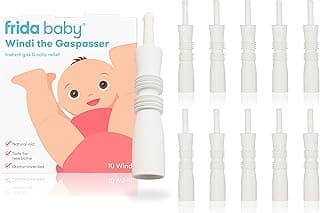
Frida Baby Windi Gas Reliever
INSTANT BABY GAS RELIEF: Say goodbye to gassy grimaces with our ingenious hollow tube that works like magic to instantly relieve trapped baby toots by creating a gentle passage for gas bubbles to escape while the specialized design triggers natural relaxation resulting in immediate relief for fussy babies
The Frida Baby Windi Gas Reliever is a simple, safe, and effective tool that helps babies release trapped gas, often providing immediate comfort.
- Congestion: Newborns are obligate nose breathers, meaning nasal congestion can significantly impact their feeding and sleep. A saline spray followed by gentle suction can clear their airways.
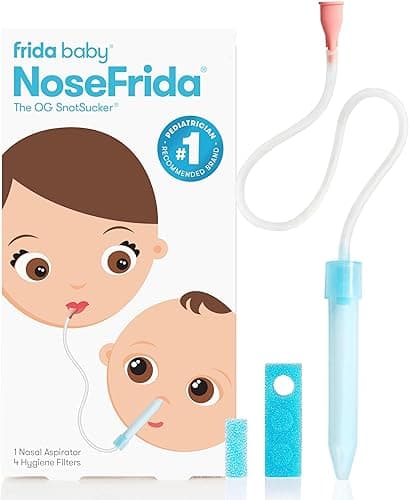
Frida Baby NoseFrida The Snotsucker Baby Nasal Aspirator
Look, we know sucking snot sounds like a horror movie plot, but the NoseFrida is the GOAT of nursery essentials. It’s weirdly satisfying, incredibly effective, and way more hygienic than those old-school bulbs that grow mold in secret.
The NoseFrida The SnotSucker Baby Nasal Aspirator is a highly recommended tool by pediatricians and parents alike for clearing stuffy noses, helping your baby breathe easier and feed more effectively.
Expert Tip: Always use saline drops before using a nasal aspirator to loosen mucus and make suction more effective.
Expert Advice: When to Call the Doctor
While most diapering issues are minor, it's important for parents to know when to seek professional medical advice.
- Persistent Diaper Rash: If a diaper rash doesn't improve within 2-3 days with consistent diaper changes and appropriate cream, or if it worsens, spreads, or develops blisters, pus, or open sores, consult your pediatrician. These could be signs of a bacterial or yeast infection requiring prescription treatment.
- Signs of Dehydration: Especially during illness, monitoring wet diapers is crucial. A baby with significantly fewer wet diapers than usual, sunken fontanelle (soft spot), lethargy, or dry mouth needs immediate medical attention.
- Unusual Stool: While newborn stools vary greatly, significant changes in consistency, color (e.g., black, white, or red), or frequency, especially if accompanied by fever or poor feeding, warrant a call to your doctor.
- General Concerns: Any persistent fever in an infant under 3 months, severe fussiness, difficulty breathing, or changes in alertness should always prompt a call to your pediatrician. Trust your parental instincts – if something feels off, it's always best to get it checked.
The GooGaia Verdict: Your Sustainable and Simple Path
Making the switch to cloth diapers, particularly with user-friendly systems like Esembly, is an empowering choice for parents. It’s an act of sustainability, a commitment to your baby’s skin health, and a smart financial decision. The 'blowout-proof' design, the simplicity of the two-part system, and the ease of their wash routine truly make Esembly the easiest entry point into sustainable diapering.
The laundry is manageable, we promise. What initially might seem like an extra step quickly integrates into the rhythm of daily life with a baby. You'll gain confidence, contribute positively to the environment, and provide your little one with a comfortable, healthy start. Don't let fear hold you back from discovering the joy and practicality of modern cloth diapering. It's an investment in your baby, your wallet, and our planet.