Surviving the First 24 Hours: A Newborn Care Guide
You walked out of the hospital doors, strapped your tiny human into the car seat (after checking the straps three times), and drove home at 20 mph. The journey, perhaps the slowest you've ever driven, culminates in that momentous step across your own threshold. Now you are standing in your living room, holding your baby, and asking the question every new parent asks: "Now what?"
The first 24 hours at home are a unique mix of euphoria, exhaustion, and mild panic. In the hospital, you had a buzz button that summoned nurses with answers and reassurance. At home, you have... Google. This guide aims to be your virtual nurse, a comprehensive and empathetic companion through that initial, crucial day. We'll delve into the science behind your newborn's needs, offer practical parent-to-parent tips, and provide clear guidance to keep your baby safe and your sanity intact. Remember, this isn't just about surviving; it's about beginning to thrive together as a new family.
Setting the Stage: Creating Your Newborn's Sanctuary
Before you do anything else, abandon the idea of "getting things done." Your only job for the next few weeks is to feed the baby, feed yourself, and sleep when the baby sleeps. Preparing your home for your newborn's arrival isn't just about aesthetics; it's about establishing practical, efficient stations that minimize effort and maximize comfort for both you and your baby. This strategic setup will be invaluable during those bleary-eyed early hours.
The Power of Prepared Stations
You don't want to be running up and down stairs or scrambling through cupboards while holding a hungry or crying baby. Creating dedicated "nests" in your main living area and bedroom means everything you need is within arm's reach. This isn't laziness; it's smart parenting, designed to conserve your precious energy and reduce stress.
Your Diaper Changing Command Center
This station will see a lot of action. Newborns average 10-12 diaper changes a day in the early weeks! Having everything organized prevents frustrating searches.
- Essentials: A stack of diapers (newborn size is usually best to start), gentle baby wipes, and a good diaper rash cream. For sensitive newborn skin, especially given their delicate immature skin barrier, choosing products free from harsh chemicals is key.

WaterWipes Original Baby Wipes, 99.9% Water, Unscented & Hypoallergenic
Clean those precious rolls with zero drama using the world's purest baby wipes. Featuring just two ingredients, these plant-based wipes are basically a cheat code for avoiding diaper rash while staying eco-friendly. It’s the peace of mind you need for your little one’s sensitive skin, wrapped in a plastic-free package.
These wipes, made with 99.9% water, are often recommended for their purity and gentleness.
- Rash Prevention: Keep a high-quality diaper rash cream on hand to protect against irritation. A thick barrier cream applied at every change can prevent painful rashes before they even start.

Triple Paste Diaper Rash Cream for Baby - 16 Oz Tub – Zinc Oxide Ointment Treats, Soothes & Prevents Diaper Rash, Pediatrician-Recommended Hypoallergenic Formula, Baby Essentials for Daily & Overnight
Gentle yet effective baby skin care formula: The Triple Paste diaper cream formula leverages the healing properties of 12.8% non-nano zinc oxide and combines them with oat extract, beeswax and more to immediately soothe and treat irritated skin Gentle yet effective baby skin care formula: The Triple Paste diaper cream formula leverages the healing properties of 12.8% non-nano zinc oxide and combines them with oat extract, beeswax and more to immediately soothe and treat irritated skin Medicated diaper rash ointment: Triple Paste is the pediatrician-recommended zinc oxide cream with an all-in-one triple action formula that treats mild to severe rashes, immediately soothes baby’s bum and prevents future diaper rashes Triple Paste baby diaper cream, is celebrated by parents who simply want the best for their baby’s delicate skin; store in your baby's diaper bag for on-the-go ease with baby care products; packaging may vary Better for baby: The diaper ointment is free from fragrance, alcohol, talc, dyes, parabens, phthalates and preservatives; a baby diaper rash cream that is gentle enough for daily use and safe for even the most sensitive skin
Many parents swear by creams like Triple Paste for both prevention and treatment of existing rashes.
- Disposal System: A diaper pail that effectively locks in odors is a game-changer.

Diaper Genie Signature Pail - Odor Control System
Stop letting your nursery smell like a locker room; this pail uses double-tite clamps to literally lock the 'stink' away. The foot pedal is a total lifesaver for those 3 AM changes when you're essentially a zombie with only one free hand.
The Diaper Genie Signature Pail is a popular choice to keep the nursery smelling fresh.
- Comfort & Cleanliness: A waterproof changing pad cover, a couple of burp cloths, and a spare change of clothes (for baby AND you – spit-up and diaper blowouts are inevitable) complete the setup. Consider a small, portable caddy to move supplies if you have multiple changing spots.
The Feeding Oasis
Whether breastfeeding or formula feeding, this station is where you'll spend countless hours. Comfort is paramount.
- Your Comfort: A comfortable chair or glider with good back support. A large water bottle (hydration is crucial for milk production and overall recovery), easy-to-grab, one-handed snacks (granola bars, nuts, fruit), and your phone/book.
- Baby's Comfort & Support: A nursing pillow can be a lifesaver for proper positioning and reducing strain on your back and arms during lengthy feeds.

Boppy Nursing Pillow and Positioner - Original Support
This classic nursing pillow is the ultimate postpartum wingman, saving your back while your tiny human snacks. It’s a total multitasker too, effortlessly transitioning from feeding support to a propped-up lounge spot and tummy time station as your baby hits those early milestones.
The Boppy Nursing Pillow and Positioner is a widely loved tool for both breastfeeding and bottle-feeding.
- Practical Tools: Plenty of burp cloths, a small bowl for spit-up, and if formula feeding, pre-measured formula portions or ready-to-feed bottles to streamline nighttime feeds.
The Rest Station: Safe Sleep Zone
Even if your baby will sleep in a crib eventually, a bassinet or pack-n-play next to your bed or in the main living area is essential for those early days.
- Safe Sleep Space: A firm, flat sleep surface specifically designed for infants, free from any loose bedding, blankets, pillows, or stuffed animals. This adheres to the American Academy of Pediatrics (AAP) safe sleep guidelines to reduce the risk of SIDS (Sudden Infant Death Syndrome).
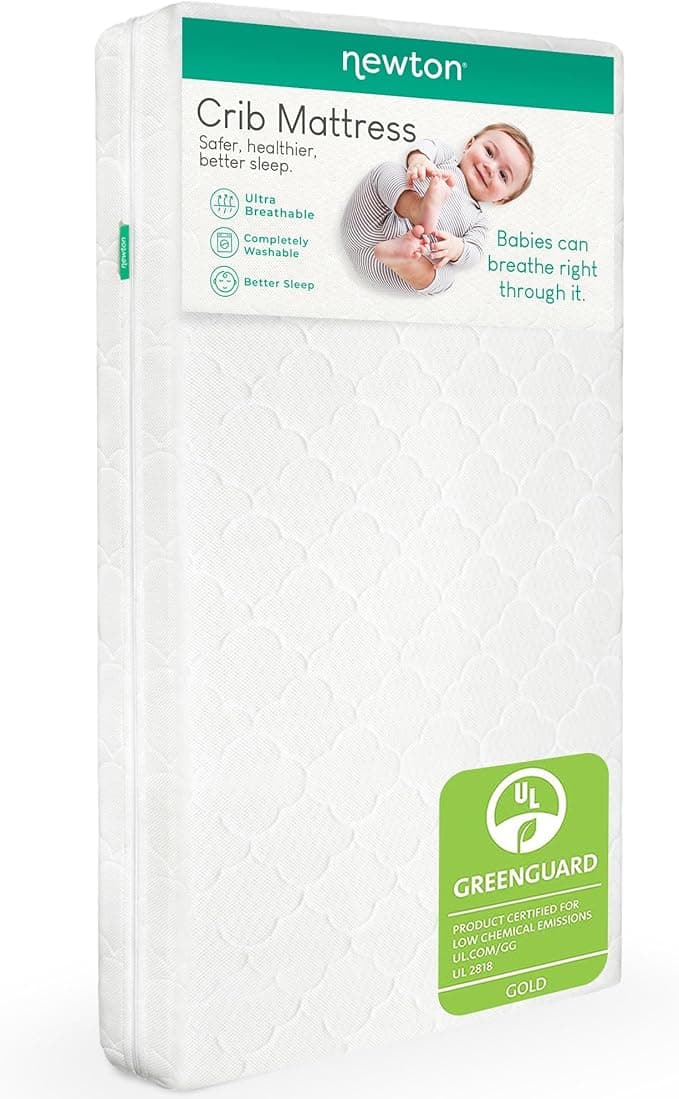
Newton Baby Crib Mattress and Toddler Bed
Say goodbye to 'is-my-baby-breathing' anxiety with the only mattress that’s basically 90% air and 100% peace of mind. It’s fully washable (yes, even the core) because we know life is messy, and your sleep is worth the investment.
Consider a breathable mattress like the Newton Baby Crib Mattress for enhanced safety and peace of mind.
- Your Break: This allows you a safe place to put the baby down so you can stretch, use the bathroom, or grab a quick bite without worrying.
Fueling Growth: Understanding Newborn Feeding
Newborns have tiny stomachs – the size of a marble on day one, growing to a ping-pong ball by day three. This anatomical fact explains why they need to eat constantly. Their rapid growth and developing systems demand frequent energy input.
Breastfeeding: The Liquid Gold Journey
The first milk, colostrum, is often called "liquid gold" for a reason. Rich in antibodies and nutrients, it provides crucial immunological protection and helps your baby's digestive system clear meconium.
- Frequency is Key: Aim for 8-12 feeds in 24 hours. That's essentially every 2-3 hours, or even more frequently on demand. In these early days, don't watch the clock; watch your baby for hunger cues like rooting, lip-smacking, or bringing hands to mouth. Crying is a late sign of hunger.
- The Latch Matters: A proper latch is fundamental for effective milk transfer and pain-free feeding. It shouldn't hurt! A gentle tugging sensation is normal; pinching pain is not. If it hurts, gently break the suction by inserting your pinky finger into the corner of the baby's mouth and try again. Aim for a wide-open mouth, with the baby taking in a large portion of the areola, not just the nipple. Signs of a good latch include rhythmic swallowing, full cheeks, and the baby's ears wiggling.
- Cluster Feeding: If your baby wants to eat every hour for a stretch, especially in the evenings, don't panic. This is known as "cluster feeding" and is perfectly normal. It's often a baby's way of boosting your milk supply to meet their growing demands, particularly during growth spurts. It's exhausting, but vital for establishing your milk supply.
Formula Feeding: Nurturing with Precision
Formula feeding offers flexibility and ensures your baby receives consistent nutrition.
- Volume Guidance: Most newborns only take 15-30ml (0.5 - 1 oz) per feed in the first days. Do not force them to finish a bottle. Babies are excellent at self-regulating their intake. Watch for signs of satiety, such as turning their head away, pushing the bottle out, or relaxing their body. Overfeeding can lead to discomfort and excessive spitting up.
- Paced Bottle Feeding: This technique mimics the flow of breastfeeding, allowing the baby to control the pace of feeding and reducing the risk of overfeeding or gas. Hold the bottle horizontally, allowing just the tip of the nipple to fill with milk. When the baby pauses, tip the bottle down slightly to stop the flow. This encourages breaks and helps them recognize fullness cues.
- Preparation & Sterilization: Always follow formula mixing instructions precisely. In the newborn phase, sterilizing bottles, nipples, and pump parts is often recommended, especially for premature or immunocompromised infants, though for healthy, full-term infants, thorough washing with hot soapy water and air drying is generally sufficient. Consult your pediatrician for specific recommendations.
Burping: Releasing Trapped Air
Newborns have immature digestive systems and often swallow air during feeds, leading to gas and discomfort. Burping helps release this trapped air.
- Technique: Gently burp your baby mid-feed (if bottle-feeding) and after every feed. Hold them upright against your shoulder, sitting on your lap, or across your arm, and gently pat or rub their back.
- Patience, Not Force: If they don't burp after a minute or two, it's okay to stop patting. Not every feed results in a burp, and sometimes the air passes through their digestive system without issue. If your baby seems particularly gassy or uncomfortable, they may benefit from additional burping attempts.
Output: The Diaper Diaries
You will become intimately familiar with your baby's bowel movements. Tracking wet and dirty diapers is a primary indicator of adequate hydration and feeding in the early days. It's a rite of passage for all new parents!
Wet Diapers: A Sign of Hydration
- Expected Counts: Expect at least one wet diaper for each day of life (1 on day one, 2 on day two) until day five. After day five, a healthy newborn should have 5-6 or more wet diapers every 24 hours. This indicates they are receiving enough fluids.
- Appearance: Early wet diapers might just have a faint yellow stain. As hydration increases, they will become more saturated with clear or pale yellow urine.
Dirty Diapers: A Digestive Journey
The appearance of your baby's stool will change dramatically in the first few days, signaling their digestive system is working and they are processing nutrients.
- Meconium: The first stool is meconium—black, tarry, and sticky. This is entirely normal! It's composed of substances ingested in utero, such as amniotic fluid, bile, and cellular debris. The passage of meconium is a healthy sign.
- Transitional Stool: As your baby starts taking in milk, meconium will gradually give way to "transitional" stools, which are thinner, greenish-brown, and often contain small curds. This usually happens around days 2-4.
- Mature Stool: By day 5, your baby's stool will have settled into its mature pattern:
- Breastfed Babies: Typically produce loose, seedy, mustard-yellow stools. The frequency can vary widely, from several times a day to once every few days, especially after the first few weeks.
- Formula-Fed Babies: Usually have firmer, tan-colored stools that are less frequent than breastfed babies, often once a day or every other day.
Umbilical Cord Care: Healing the First Connection
Your baby's umbilical cord stump will naturally dry and fall off within 1-3 weeks. Proper care helps prevent infection and promotes healing.
- Keep it Dry: The most important rule is to keep the stump dry. Fold the diaper down so it doesn't rub against the stump or cover it, allowing air circulation.
- Sponge Baths: Until the cord falls off and the area is fully healed, stick to sponge baths rather than submerging your baby in water.
- Signs of Infection: Watch for any signs of infection, such as redness around the base of the cord, foul odor, pus-like discharge, or if your baby develops a fever. These warrant an immediate call to your pediatrician.
The Art of Newborn Sleep: Establishing Safe Practices
Newborns sleep a lot—typically 16-18 hours a day—but rarely for more than 2-3 hours at a time. Their sleep cycles are short, and hunger cues are frequent. Understanding safe sleep practices is paramount to reducing the risk of SIDS.
Safe Sleep Basics: Reducing SIDS Risk
The American Academy of Pediatrics (AAP) provides clear, evidence-based guidelines to create a safe sleep environment. Adhering to these recommendations can significantly reduce the risk of SIDS.
- Back to Sleep: Always place baby on their back for all sleep times—naps and nighttime. This is the single most effective action parents can take to reduce the risk of SIDS. The scientific rationale is that stomach sleeping can obstruct the airway and prevent babies from easily rousing if they stop breathing.
- Firm Sleep Surface: Use a crib, bassinet, or play yard with a firm mattress and a tightly fitted sheet. Soft surfaces can pose suffocation risks.
- Nothing Else in the Crib: The sleep space should be entirely bare. No loose blankets, pillows, bumper pads, stuffed animals, or any other items. These can obstruct a baby's airway.
- Room Sharing, Not Bed Sharing: The AAP recommends sharing a room (but not a bed) for at least the first 6 months, and ideally the first year. Having your baby sleep in a separate safe sleep space in your room makes nighttime feeds and comforting easier, and has been shown to reduce SIDS risk by up to 50%. Bed-sharing, conversely, significantly increases the risk of suffocation and SIDS.
- Optimal Temperature: Keep the room at a comfortable temperature—not too hot, not too cold. Dress your baby in light sleep clothing. Overheating is a SIDS risk factor.
Swaddling: Recreating the Womb
A proper swaddle can work wonders in calming a newborn. It mimics the snug confines of the womb, helps regulate body temperature, and most importantly, minimizes the startle (Moro) reflex, which often wakes babies prematurely.
- Technique: Ensure the swaddle is snug around the chest and arms, but loose around the hips and legs, allowing for proper hip development (the "frog-leg" position). Incorrect swaddling that restricts hip movement can contribute to hip dysplasia.
- When to Stop: Swaddling should be discontinued as soon as your baby shows any signs of trying to roll over, typically around 2-4 months of age. Once they can roll, a swaddle becomes a safety hazard. Transition to a sleep sack.

HALO SleepSack Wearable Blanket – 100% Cotton
The HALO SleepSack is the #1 pediatrician-recommended wearable blanket and is accepted by the American Academy of Pediatrics as safe sleep. It keeps babies warm and cozy throughout the night without any loose blanket risk.
The HALO SleepSack Cotton is an excellent, safe alternative to loose blankets and can be used once swaddling is no longer appropriate, providing warmth without risk.
Comfort & Care: Beyond the Basics
Beyond feeding, diapering, and sleeping, newborns need gentle care to keep them clean, comfortable, and content.
First Baths: Gentle Cleansing
Until the umbilical cord stump falls off and the navel area is fully healed (typically 1-3 weeks), sponge baths are recommended.
- Sponge Bath Method: Gather all supplies beforehand (warm water, gentle baby soap, soft washcloth, hooded towel, clean diaper and clothes). Keep your baby warm by exposing only the area you are washing. Gently wipe baby's face, neck, and skin folds. Pat dry thoroughly to prevent skin irritation.
- Frequency: Newborns don't need daily baths. 2-3 times a week is often sufficient to keep them clean without drying out their delicate skin.
Skin Care: Addressing Newborn Delicacy
Newborn skin is incredibly sensitive and can be prone to dryness, flakiness, or rashes.
- Dry Skin: It's common for newborns to have dry, peeling skin, especially in the first few weeks. This is usually harmless and resolves on its own. A gentle, unscented baby lotion can be used if needed.
- Cradle Cap: Patchy, oily, yellowish scales on the scalp (seborrheic dermatitis) is common. Gentle washing with baby shampoo and brushing with a soft brush can help.
Nail Care: Tiny, Sharp Claws
Newborn nails are surprisingly sharp and can cause scratches, especially during the startle reflex.
- Method: Use baby nail clippers or a soft nail file. Filing is often easier and safer for tiny nails. Trim or file nails when the baby is asleep or very calm to minimize movement.
Comforting a Fussy Baby: Decoding the Cries
Crying is your baby's primary form of communication. While hunger and a wet diaper are common culprits, sometimes babies cry due to discomfort or simply needing to be soothed.
- The 5 S's: Developed by Dr. Harvey Karp, these techniques mimic the womb environment: Swaddling, Side/Stomach position (for soothing, never for sleep), Shushing (loud white noise), Swinging (gentle rhythmic motion), and Sucking (pacifier, finger).
- Gas & Discomfort: Newborns' digestive systems are still developing, making them prone to gas. Cycling their legs, tummy time (supervised!), and gentle belly rubs can help. Sometimes, over-the-counter gas drops or tools specifically designed to relieve trapped gas can provide relief.
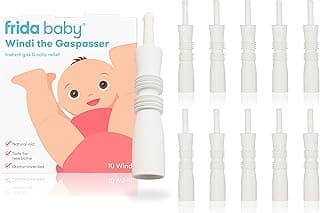
Frida Baby Windi Gas Reliever
INSTANT BABY GAS RELIEF: Say goodbye to gassy grimaces with our ingenious hollow tube that works like magic to instantly relieve trapped baby toots by creating a gentle passage for gas bubbles to escape while the specialized design triggers natural relaxation resulting in immediate relief for fussy babies
The Frida Baby Windi Gas Reliever is an example of a tool that can help safely and effectively relieve infant gas and colic.
Postpartum Care: Nurturing the Nurturer
You just performed an incredible feat. While your baby's needs are paramount, remembering to care for yourself is not selfish; it's essential for your well-being and your ability to care for your newborn.
Vaginal Delivery Recovery
- Bleeding (Lochia): You will experience vaginal bleeding, called lochia, which is like a heavy period initially and can last for several weeks. Use oversized maternity pads and mesh underwear (often provided by the hospital). If you are soaking through a maxi pad in an hour, passing clots larger than a golf ball, or experience a sudden gush of bright red blood, call your doctor immediately.
- Pain Management: Perineal pain and swelling are normal. Ice packs (often called "padsicles" when homemade with witch hazel and aloe vera) are your best friend. Stay on top of any prescribed pain medication (ibuprofen/acetaminophen) and use a peri bottle for rinsing after using the toilet to avoid stinging.
- Perineal Care: Gentle cleaning and keeping the area dry helps prevent infection. Sitz baths can also offer soothing relief.
C-Section Recovery
- Movement: Gentle movement is crucial for recovery. Walk slowly and gently as soon as you are able to prevent blood clots and encourage healing, but do not lift anything heavier than your baby for several weeks. Avoid stairs if possible, or take them slowly.
- Incision Care: Keep the incision clean and dry. Follow your doctor's specific instructions. Watch diligently for any signs of infection: increased redness, warmth, swelling, pus-like discharge, or a fever. Support your incision with a pillow when coughing or laughing.
- Pain Management: Stay ahead of your pain with prescribed medications. Don't wait for the pain to become severe before taking them.
Emotional Check-In: The Rollercoaster of New Parenthood
Sometime in the first 24 hours, you will probably cry. You might look at your partner and say, "What have we done?" You might feel an overwhelming wave of love, or you might feel numb and overwhelmed. All of this is normal.
The "baby blues," characterized by mood swings, weepiness, anxiety, and irritability, affect up to 80% of new mothers and typically peak around day 3-5 after delivery as hormones shift dramatically. This is a normal, temporary adjustment. However, if these feelings intensify, last longer than two weeks, or interfere with your ability to function or care for your baby, it could be postpartum depression (PPD) or anxiety. Reach out to your doctor immediately.
You are learning a new job with no training, while sleep-deprived and recovering from surgery or a major physical event. Be gentle with yourself. Take it one hour at a time. Accept all offers of help. Communicate openly with your partner. You are doing a great job.
When to Call the Pediatrician: Trusting Your Instincts
Newborns are fragile, and their health can change quickly. It's always better to err on the side of caution. Don't hesitate to call your doctor or seek medical attention if you have any concerns. Never use Dr. Google for medical emergencies; call your healthcare provider.
Call your pediatrician immediately if:
- Fever: A rectal temperature over 100.4°F (38°C). A fever in a newborn (under 2 months) is an emergency and requires immediate medical evaluation. Do not give any fever-reducing medication without consulting your doctor.
- Feeding Difficulties: Baby refuses 2 feeds in a row, has significantly decreased feeding, or seems too sleepy to feed.
- Vomiting: Projectile vomiting (forceful expulsion of stomach contents, not just passive spit-up), or any vomiting of green bile.
- Dehydration Signs: No wet diapers for 12 hours, sunken soft spot (fontanelle), dry mouth, or lethargy.
- Breathing Issues: Rapid breathing (more than 60 breaths per minute), nasal flaring, grunting with breaths, retractions (skin pulling in between ribs or above collarbone), or bluish tint around the lips or mouth.
- Jaundice: Yellowing of the skin or whites of the eyes that appears rapidly, is deep yellow/orange, or extends below the nipple line. Check in natural light.
- Lethargy/Irritability: Baby is unusually sleepy and difficult to wake, or is inconsolably irritable and fussy.
- Changes in Skin Color: Pale, grayish, or mottled skin.
- Umbilical Cord Infection: Redness, swelling, pus, or foul odor around the umbilical stump.
- Any other concern that simply feels "off." Your parental instincts are powerful; trust them.
The first 24 hours at home with a newborn are an intense initiation into parenthood, filled with profound love, steep learning curves, and understandable anxiety. You are not just surviving; you are embarking on the most incredible adventure of your life. Lean on reliable resources, ask for help, and most importantly, soak in these fleeting moments. You've got this.