The Wipeable Changing Pad You Need
The Unsung Hero of the Nursery: Why Your Changing Pad Deserves a Second Look
As an expert pediatric specialist and newborn care educator, I've seen countless nurseries, helped thousands of new parents, and witnessed the beautiful chaos that comes with welcoming a baby. Among the myriad of baby gear, one item often gets overlooked until the inevitable happens: the changing pad. It's not the most glamorous piece, but its role in daily baby care is monumental, impacting everything from hygiene and convenience to your baby's comfort and your sanity.
The reality of parenthood is one of frequent, sometimes explosive, diaper changes. For a newborn, you're looking at 8-12 diaper changes a day. That's a minimum of 56-84 changes a week! Each change is an opportunity for a mess – urine streams, projectile poop, spit-up, lotions, and powders all conspire to create a sticky situation. If you're using a traditional foam changing pad with a fabric cover, you're signing up for a constant cycle of laundry. This is where the wipeable changing pad emerges as a true game-changer, simplifying one of the most repetitive, yet crucial, tasks of early parenthood.
The traditional approach, while seemingly soft and cozy, presents significant challenges. Fabric covers absorb fluids, trap odors, and become breeding grounds for bacteria if not laundered immediately and thoroughly. And let's be honest, who has the time or energy for daily changing pad cover laundry when you're navigating sleep deprivation, feeding schedules, and a tiny human's every whim? The genius of a solid, impermeable surface, like the one found in innovative wipeable pads, lies in its simplicity and efficiency. It transforms a potentially overwhelming chore into a quick, hygienic refresh.
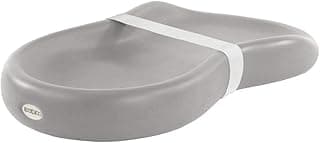
The Inevitable Mess: Moving Beyond Traditional Changing Pad Limitations
The journey of parenthood is peppered with small realizations that dramatically improve daily life. For many, one such epiphany comes after the third "blowout" of the day, when the fabric changing pad cover is once again soaked and destined for the laundry pile. This seemingly minor inconvenience quickly escalates into a major time sink and hygiene concern.
The Laundry Burden: A Hidden Cost of Fabric Covers
Imagine washing a changing pad cover every single day, sometimes multiple times a day. This isn't just about throwing it into the machine; it's about separating baby laundry, using baby-safe detergents, and hoping it dries in time for the next mess. This constant cycle adds to your already overflowing to-do list, drains your energy, and contributes to water and electricity consumption. Beyond the time and effort, fabric covers can hold onto odors, even after washing, creating a less-than-fresh environment for your little one.
Hygiene at the Forefront: Why Surface Matters
Newborns and infants have developing immune systems, making them more susceptible to germs. A changing pad, by its very nature, is a hotbed for bacteria and potentially viruses. While fabric covers offer a soft surface, they are porous. Even with regular washing, the micro-crevices can harbor pathogens. An impermeable surface, on the other hand, creates a barrier that can be thoroughly sanitized. This isn't just about convenience; it's about creating a safer, cleaner environment for your baby, reducing the risk of skin irritations, infections, and the spread of illness.
The Game Changer: Embracing the Wipeable Changing Pad
The concept of a wipeable changing pad is elegantly simple yet profoundly effective. It's about bringing hospital-grade hygiene and efficiency into your home, without sacrificing comfort or style.
Hygiene Revolution: The Science Behind Germ Control
From a pediatric perspective, surface hygiene in a baby's environment is paramount. Babies spend a significant amount of time on their backs, often exploring their surroundings with their hands and mouths. A changing pad is a direct contact surface.
- Reducing Bacterial and Viral Transmission: An impermeable surface, often made from materials like solid rubber, silicone, or durable, non-porous foam, means that bodily fluids and contaminants remain on the surface rather than soaking in. This allows for complete removal and disinfection with a simple wipe. Studies have shown that proper surface cleaning is a critical component in preventing the spread of common infections, especially those caused by bacteria like E. coli or viruses like rotavirus, which are easily transmitted through fecal-oral routes.
- Protecting Baby's Developing Immune System: While exposure to some germs is part of healthy immune development, minimizing exposure to pathogenic bacteria in high-contact areas like a changing pad is crucial. A clean surface supports skin integrity and reduces the likelihood of introducing irritants or pathogens to open skin from diaper rash or minor cuts.
Time-Saving Brilliance: Reclaiming Precious Parenting Time
The most immediate and cherished benefit for parents is the liberation from laundry. A wipeable changing pad means:
- No More Endless Laundry: One less load of laundry (or several!) each day frees up valuable time. This time can be spent sleeping, bonding with your baby, or simply enjoying a moment of quiet.
- Instant Cleanup: Messy diaper changes are a reality. With a wipeable pad, a quick spray of a baby-safe sanitizer or a wipe with a damp cloth is all it takes to make it pristine again. This is invaluable during those moments of extreme fatigue or when guests are about to arrive.
Durability and Longevity: Investing in Quality
While the initial cost of a high-quality wipeable changing pad might seem higher than a basic foam pad with covers, it's an investment that pays dividends.
- Materials Matter: Look for pads made from durable, non-toxic materials. Many modern wipeable pads use BPA-free, phthalate-free, and latex-free materials, ensuring they are safe for your baby's delicate skin. The robust construction means they withstand daily use and cleaning without degrading.
- A Long-Term Solution: Unlike fabric covers that wear out and need replacing, a well-made wipeable pad can last through multiple children, saving you money in the long run on replacement covers and laundry detergents. It also holds its resale value better.
Comfort and Safety Features: Beyond Just Wipeability
A good changing pad offers more than just easy cleaning; it provides a safe and comfortable spot for your baby.
- Contoured Design: Many wipeable pads feature a contoured shape with raised sides. This design helps cradle your baby, preventing them from rolling off the pad – a critical safety feature. Even with these contours, never leave your baby unattended on a changing pad, even for a second.
- Non-Slip Base: To ensure stability, most quality pads come with a non-slip base or feet that keep the pad securely in place on top of a dresser or changing table.
- Safety Straps: While not all wipeable pads include straps, some do. If present, these straps are designed to keep the baby on the pad but should never be used as a substitute for active supervision. They are an added layer of security, not a hands-free solution.
Setting Up Your Optimal Changing Station: More Than Just a Pad
A wipeable changing pad is the cornerstone, but a truly efficient and safe changing station requires a well-thought-out setup. This "command center" for diaper changes will make the process smoother, quicker, and more enjoyable for both you and your baby.
Ergonomics for Parents: Saving Your Back and Body
Frequent bending can take a toll on your back, especially postpartum.
- Proper Height: Ensure your changing table or dresser with the pad on top is at a comfortable height that allows you to change your baby without excessive bending. Your elbows should ideally be at a slight angle downwards when reaching for your baby.
- All Essentials Within Arm's Reach: Never turn your back on your baby. All necessary items – diapers, wipes, creams, a change of clothes – must be within your immediate grasp. Use caddies, drawers, or shelves that are easily accessible without stretching or reaching away from your baby.
Diaper Disposal Solutions: Managing Odor and Waste
The sheer volume of dirty diapers requires a dedicated disposal system that prioritizes odor control.
-
Choosing the Right Pail: Regular trash cans, even with liners, are often insufficient to contain the potent odors of soiled diapers. Diaper pails are designed with multi-layer bags and specialized seals to lock in smells.
Expert Tip: Diaper Pails
A good diaper pail isn't just a trash can; it's an odor-control fortress. Investing in a system that effectively seals away odors can make a significant difference in the freshness of your nursery. The Diaper Genie Signature Pail is a popular choice known for its ability to contain even the strongest smells, ensuring your nursery remains a pleasant space.
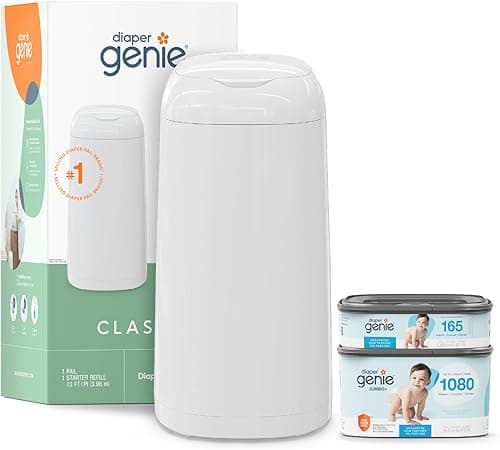
Diaper Genie Signature Pail - Odor Control System
Stop letting your nursery smell like a locker room; this pail uses double-tite clamps to literally lock the 'stink' away. The foot pedal is a total lifesaver for those 3 AM changes when you're essentially a zombie with only one free hand.
Wipes: A Critical Choice for Delicate Skin
Not all baby wipes are created equal. Your baby's skin is incredibly delicate and permeable, making it more susceptible to irritation from harsh chemicals.
-
Understanding Baby Skin Sensitivity: Newborn skin has a thinner epidermal barrier, is less acidic, and has immature sweat glands compared to adult skin. This means it can dry out more easily and react more strongly to irritants.
-
Chemicals vs. Natural Ingredients: Many conventional wipes contain fragrances, alcohol, parabens, phthalates, and other chemicals that can cause dryness, redness, or allergic reactions. Opting for wipes with minimal ingredients, especially those with high water content, is often best.
Expert Tip: Gentle Wipes for Delicate Skin
When it comes to baby wipes, simplicity often equals safety for sensitive skin. Wipes made with 99.9% water and a drop of fruit extract are often recommended by pediatricians for their purity and gentleness, helping to prevent irritation and protect the delicate skin barrier.
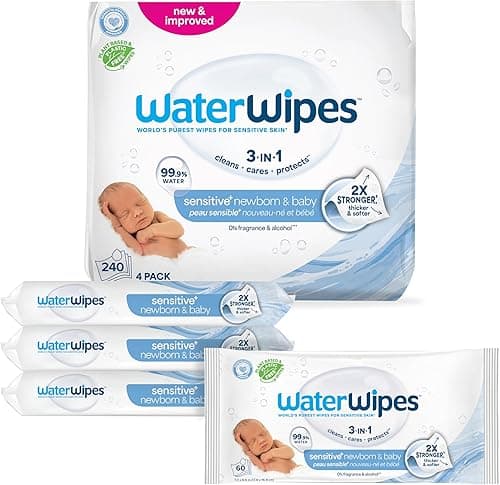
WaterWipes Original Baby Wipes, 99.9% Water, Unscented & Hypoallergenic
Clean those precious rolls with zero drama using the world's purest baby wipes. Featuring just two ingredients, these plant-based wipes are basically a cheat code for avoiding diaper rash while staying eco-friendly. It’s the peace of mind you need for your little one’s sensitive skin, wrapped in a plastic-free package.
Diaper Rash Prevention and Treatment: A Parent's Best Defense
Diaper rash is incredibly common, affecting nearly all babies at some point. A good changing routine is your first line of defense.
-
The Science of Diaper Rash: Rashes typically occur due to a combination of moisture (urine/stool), friction (diaper rubbing), and irritants (enzymes in stool, harsh wipes, prolonged contact with wetness). Yeast infections can also occur in warm, moist environments.
-
Prevention is Key:
- Change diapers frequently, even if only slightly wet.
- Gently clean the diaper area with mild wipes or water.
- Allow the skin to air dry completely before putting on a new diaper.
- Apply a protective barrier cream liberally.
-
Application Techniques: Don't just dab the cream; apply a thick layer, creating a visible barrier that protects the skin from moisture.
-
When to Apply Cream: Ideally, apply cream at every diaper change, especially overnight or if your baby is prone to rash.
Expert Tip: A Trusted Ally Against Rash
When a diaper rash strikes, you need a powerful yet gentle solution. A thick, protective barrier cream is essential to soothe irritated skin and prevent further moisture exposure. Look for creams with a high percentage of zinc oxide, which creates a robust barrier.
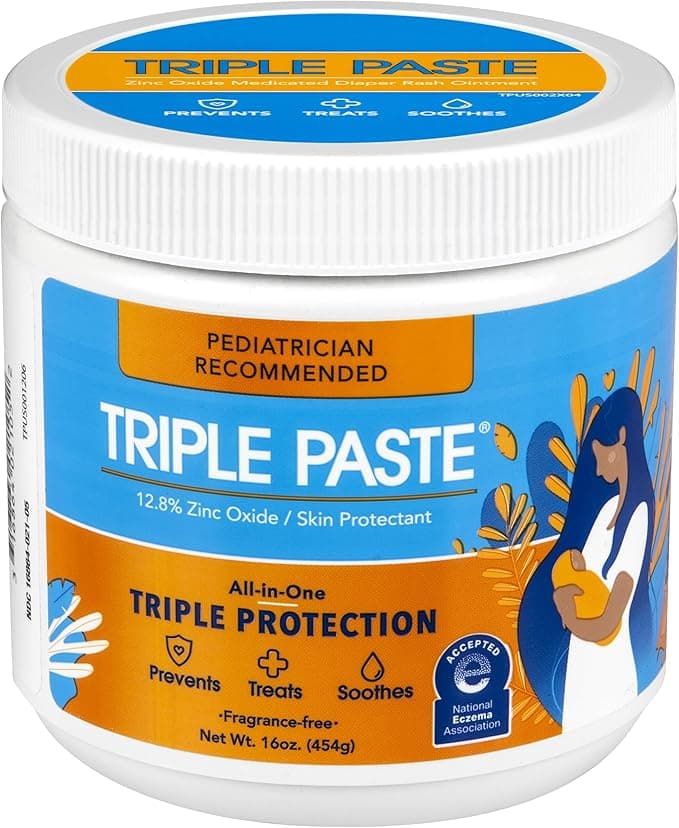
Triple Paste Diaper Rash Cream for Baby - 16 Oz Tub – Zinc Oxide Ointment Treats, Soothes & Prevents Diaper Rash, Pediatrician-Recommended Hypoallergenic Formula, Baby Essentials for Daily & Overnight
Gentle yet effective baby skin care formula: The Triple Paste diaper cream formula leverages the healing properties of 12.8% non-nano zinc oxide and combines them with oat extract, beeswax and more to immediately soothe and treat irritated skin Gentle yet effective baby skin care formula: The Triple Paste diaper cream formula leverages the healing properties of 12.8% non-nano zinc oxide and combines them with oat extract, beeswax and more to immediately soothe and treat irritated skin Medicated diaper rash ointment: Triple Paste is the pediatrician-recommended zinc oxide cream with an all-in-one triple action formula that treats mild to severe rashes, immediately soothes baby’s bum and prevents future diaper rashes Triple Paste baby diaper cream, is celebrated by parents who simply want the best for their baby’s delicate skin; store in your baby's diaper bag for on-the-go ease with baby care products; packaging may vary Better for baby: The diaper ointment is free from fragrance, alcohol, talc, dyes, parabens, phthalates and preservatives; a baby diaper rash cream that is gentle enough for daily use and safe for even the most sensitive skin
Essentials Basket Checklist: Your Changing Station Arsenal
Keep a caddy or basket stocked with these items, replenished regularly:
- Diapers (at least 2-3 sizes ahead, as babies grow fast!)
- Baby wipes
- Diaper rash cream
- A small, engaging toy or mobile to distract your baby
- A clean change of clothes (a must-have for blowouts)
- Hand sanitizer for parents (for post-change hygiene)
- Small burp cloths or receiving blankets (useful as an extra barrier for messy changes)
The Art of the Diaper Change: A Step-by-Step Guide and Parent-to-Parent Tips
A diaper change is more than just a functional task; it's a moment of connection and care. Approach it with confidence and calm, and it can even be an enjoyable ritual.
Before You Begin
- Gather Everything: Ensure every item on your checklist is within arm's reach. Never start a change without your supplies.
- Wash Your Hands: Good hygiene starts with you.
During the Change
- Place Baby Safely: Gently lay your baby on the changing pad. Unfasten the dirty diaper, but don't remove it completely yet. For a particularly messy stool, use the front of the diaper to wipe downwards, containing the bulk of the mess.
- The "Diaper Burrito" Technique: Fold the dirty diaper inward to contain the mess, then roll it underneath your baby's bottom. This creates a barrier between the clean pad and the dirty diaper.
- Wiping Direction:
- Girls: Always wipe from front to back to prevent bacteria from entering the urinary tract.
- Boys: Wipe from front to back, cleaning around the testicles and penis. If uncircumcised, gently clean around the tip without forcing the foreskin back.
- Lift and Clean: Lift your baby's legs by the ankles (never pull directly on the feet) and clean thoroughly, getting into all the creases and folds.
- Air Dry (if possible): A few moments of air drying can do wonders for preventing diaper rash.
- Apply Cream: If needed, apply a generous layer of diaper rash cream.
- New Diaper On: Slide a clean diaper under your baby, ensuring the sticky tabs are at the back. Fasten snugly but not too tightly; you should be able to fit two fingers under the waistband.
- Engage Your Baby: This is a perfect time for bonding. Talk to your baby, sing a song, make eye contact, or offer a small toy. These interactions support their cognitive and emotional development.
After the Change
- Disposal: Roll up the dirty diaper, secure it with the tabs, and immediately place it in your diaper pail.
- Hand Hygiene: Wash or sanitize your hands thoroughly.
- Sanitize the Pad: With a wipeable pad, a quick spray of a baby-safe surface cleaner or a damp cloth followed by a dry one will sanitize it for the next use.
Parent-to-Parent Tips: Navigating the Realities of Diaper Duty
- "The Great Escape" (Pee Fountain) Prevention for Boys: For newborn boys, a surprising stream of urine during diaper changes is common. Keep a clean wipe or a small burp cloth over his penis for a few seconds after removing the diaper to catch any surprises.
- The Burp Cloth Barrier: For truly epic poops, lay a burp cloth or small receiving blanket on the changing pad before placing your baby down. It acts as an extra layer of protection, making cleanup even easier.
- Naked Time is Good Time: If your baby is prone to diaper rash or just needs a refresh, allow for short periods of "naked time" (diaper-free) on a towel or waterproof pad. Air exposure helps skin heal and breathe.
- Public Changing Stations: Always carry a portable changing pad or use disposable changing pads when out and about. Public surfaces can be less hygienic.
- Floor Changes: Once your baby is mobile, changing them on the floor on a blanket or a portable pad might be safer than on a raised surface, as they're less likely to fall.
Addressing Common Baby Discomforts During or After a Change
Diaper changes can sometimes coincide with or even exacerbate common infant discomforts. Being prepared to address these can make the experience smoother for everyone.
Gas and Fussiness
-
Recognizing Signs: If your baby is squirming, grunting, arching their back, or pulling their legs up to their chest, they might be experiencing gas.
-
Gentle Leg Exercises: While on the changing pad, gently pump your baby's legs towards their chest (like riding a bicycle) to help move gas through their system.
-
When a Specialized Tool Might Help: Sometimes, gentle massage and leg exercises aren't enough. For trapped gas, specific tools can offer relief.
Expert Tip: Gas Relief
Gas discomfort can make a baby very fussy, especially during or after a diaper change. While gentle leg movements can help, some babies need more direct relief. A gas relief device can be a safe and effective way to help your baby expel trapped gas, providing almost immediate comfort.
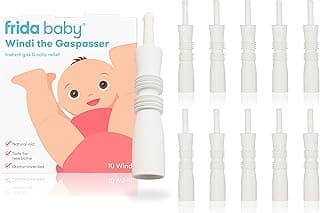
Frida Baby Windi Gas Reliever
INSTANT BABY GAS RELIEF: Say goodbye to gassy grimaces with our ingenious hollow tube that works like magic to instantly relieve trapped baby toots by creating a gentle passage for gas bubbles to escape while the specialized design triggers natural relaxation resulting in immediate relief for fussy babies
Colic and Reflux
While not directly caused by diaper changes, babies with colic or reflux might be more irritable during any handling, including changes. Creating a calm, consistent environment and using a warm wipeable surface can sometimes help soothe them. Keep changes quick and efficient.
Skin Health Beyond Diaper Rash
The changing pad is also where you might notice other skin conditions.
- Eczema: Red, dry, itchy patches can appear anywhere on the body. Keep the area clean and moisturized.
- General Dry Skin: Babies can have naturally dry skin, especially in cooler climates. A gentle, unscented moisturizer after baths can help.
Expert Corner: When to Call the Doctor
While most diaper changes and minor skin issues can be managed at home, there are times when medical attention is warranted.
- Persistent Diaper Rash: If a rash doesn't improve after 2-3 days of consistent home treatment (frequent changes, airing out, barrier cream), or if it worsens, it's time to call your pediatrician. It might be a yeast infection requiring antifungal cream.
- Rash with Blisters, Open Sores, or Fever: Any rash that looks severe, has weeping sores, blisters, or is accompanied by a fever requires immediate medical evaluation.
- Unusual Stool Color or Consistency: While breastfed baby stool can vary, consistently green, black (after the first few days), white/pale, or bloody stools should be reported to your doctor. Similarly, persistent diarrhea or constipation warrants a call.
- Signs of Dehydration: A baby with severe diarrhea or vomiting, coupled with decreased wet diapers, lethargy, or sunken fontanelle, needs urgent medical attention.
- Changes in Baby's Behavior: If your baby becomes unusually lethargic, excessively fussy, irritable, or seems to be in pain during or after a change, seek medical advice.
Conclusion: More Than Just a Pad – It's a Foundation for Care
The wipeable changing pad is far more than a simple accessory; it's a foundational element of your nursery that supports hygiene, safety, and parental well-being. By embracing its efficiency, you reclaim precious time and reduce daily stressors, allowing you to focus on the joy and wonder of your baby.
From ensuring impeccable hygiene for your baby's delicate skin to streamlining one of the most frequent parenting tasks, a durable, easy-to-clean changing pad provides unparalleled peace of mind. Coupled with a well-organized changing station and a confident, empathetic approach to each diaper change, you create a nurturing environment where your baby feels secure and loved.
Remember, every diaper change is an opportunity for connection, a chance to talk, sing, and engage with your little one. With the right tools and knowledge, you can transform this routine task into a cherished part of your daily parenting journey. You've got this, parent!