Do You Really Need a Wipe Warmer?
Navigating the world of newborn essentials can feel like sifting through a mountain of advice, gadgets, and well-meaning opinions. One item that frequently sparks debate among parents and pediatric experts alike is the humble wipe warmer. Is it a frivolous luxury or a genuine game-changer for peaceful diaper changes? As a pediatric specialist and newborn care educator, I'm here to provide a comprehensive, evidence-based guide to help you make an informed decision for your family and, most importantly, for your baby's comfort.
The Core Dilemma: Cold Wipes vs. Warm Wipes
The moment a cold wipe touches a baby's delicate skin, especially during a drowsy nighttime change, can often elicit an immediate, dramatic response: a sudden gasp, a full-body shiver, and sometimes, a piercing scream. This isn't just a baby being "fussy"; it's a physiological reaction rooted in their developing nervous system and inherent sensitivities.
Understanding a Newborn's Sensitivity
Newborns are incredibly sensitive creatures. Their skin is thinner, more permeable, and lacks the fully developed thermoregulation of an older child or adult. This means they are more susceptible to changes in temperature, both hot and cold. A cold wipe, while seemingly innocuous to us, can feel like a shock to their system. From a pediatric perspective, anything that causes undue stress or discomfort to a newborn can impact their overall well-being and their ability to settle back into sleep or feeding.
The Startle Reflex (Moro Reflex)
One primary reason for a baby's dramatic reaction to a cold wipe is the Moro reflex, commonly known as the startle reflex. This involuntary neurological response is present at birth and usually fades by 3-6 months of age. When a baby feels a sudden sensation, like a drop, a loud noise, or a sudden change in temperature (like a cold wipe), they instinctively throw out their arms and legs, arch their back, and then pull their limbs back in. This reflex is a protective mechanism, but it can be incredibly disruptive, especially when you're trying to keep a sleepy baby calm. A cold wipe can easily trigger this reflex, instantly shifting a drowsy baby into an awake, startled, and often upset state.
Impact on Sleep
For new parents, every minute of sleep is precious, both for them and for their baby. Frequent disruptions to a baby's sleep, particularly during night awakenings for diaper changes, can lead to overtiredness, increased fussiness, and difficulty returning to sleep. When a baby is startled awake by a cold wipe, it takes longer for their nervous system to calm down. This extended wakefulness means more time out of sleep, more effort for parents to soothe them back to sleep, and can potentially disrupt their sleep cycles. Promoting a calm, seamless diaper change, especially at night, is a strategy many parents employ to preserve those valuable moments of rest.
Benefits of a Wipe Warmer: Beyond Just Warmth
While the primary function of a wipe warmer is, of course, to provide warmth, the benefits extend far beyond simply avoiding a cold shock.
Promoting Peaceful Diaper Changes
The most immediate and obvious benefit is transforming diaper changes from a potential battle into a more serene experience. Warm wipes can be incredibly soothing, especially for a baby who is already fussy, gassy, or not feeling well. Instead of tensing up, your baby might relax, making the process quicker and less stressful for everyone involved. This can be particularly helpful during those first few weeks when both baby and parents are adjusting to new routines and sensitivities.
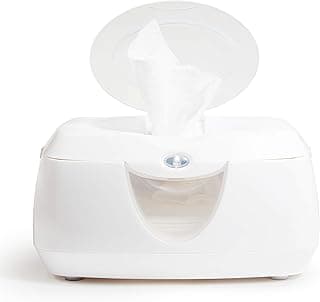
Enhanced Comfort for Sensitive Skin
Babies with naturally sensitive skin, eczema, or those prone to diaper rash can experience additional discomfort from cold, damp wipes. The sudden chill can exacerbate irritation or dryness. Warm wipes, on the other hand, can feel much gentler on already inflamed or delicate skin. The warmth can also help the cleaning process, making it easier to wipe away messes without excessive rubbing, which is crucial for preventing further skin breakdown.
Expert Tip: If your baby struggles with persistent diaper rash, ensure you're using the gentlest wipes available and applying a thick barrier cream.
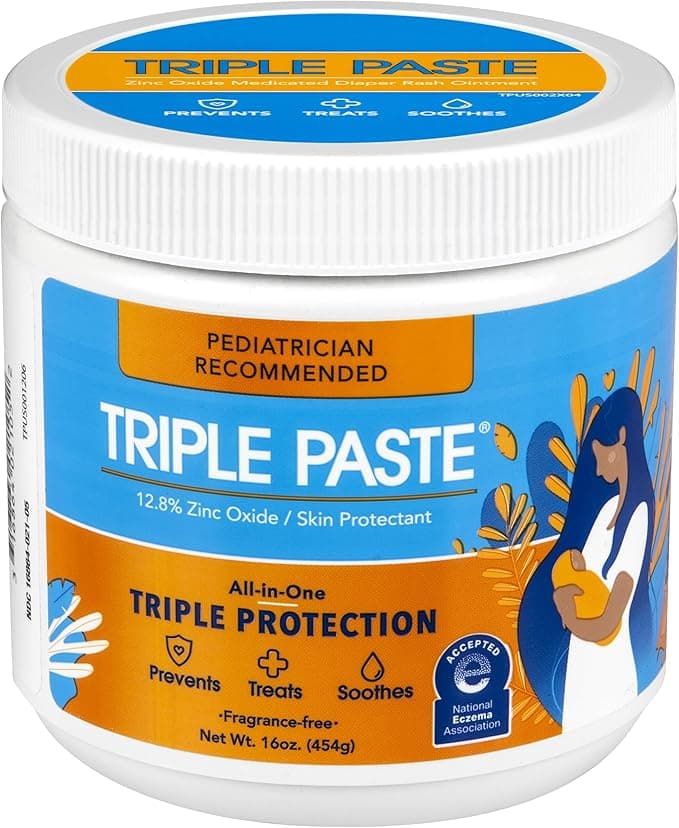
Triple Paste Diaper Rash Cream for Baby - 16 Oz Tub – Zinc Oxide Ointment Treats, Soothes & Prevents Diaper Rash, Pediatrician-Recommended Hypoallergenic Formula, Baby Essentials for Daily & Overnight
Gentle yet effective baby skin care formula: The Triple Paste diaper cream formula leverages the healing properties of 12.8% non-nano zinc oxide and combines them with oat extract, beeswax and more to immediately soothe and treat irritated skin Gentle yet effective baby skin care formula: The Triple Paste diaper cream formula leverages the healing properties of 12.8% non-nano zinc oxide and combines them with oat extract, beeswax and more to immediately soothe and treat irritated skin Medicated diaper rash ointment: Triple Paste is the pediatrician-recommended zinc oxide cream with an all-in-one triple action formula that treats mild to severe rashes, immediately soothes baby’s bum and prevents future diaper rashes Triple Paste baby diaper cream, is celebrated by parents who simply want the best for their baby’s delicate skin; store in your baby's diaper bag for on-the-go ease with baby care products; packaging may vary Better for baby: The diaper ointment is free from fragrance, alcohol, talc, dyes, parabens, phthalates and preservatives; a baby diaper rash cream that is gentle enough for daily use and safe for even the most sensitive skin
Triple Paste Diaper Rash Cream is often recommended by pediatricians for its thick, protective barrier and soothing ingredients, providing rapid relief and prevention for even the most severe rashes.
Aiding During Illness or Discomfort
When a baby is unwell—be it with a fever, a cold, or tummy troubles—their tolerance for discomfort is significantly reduced. A warm wipe can offer a small but meaningful comfort during these challenging times. For instance, a baby congested with a stuffy nose is already feeling miserable. A cold wipe would only add to their distress.
Parent-to-Parent Tip: If your baby is struggling with congestion, a warm bath followed by using a gentle nasal aspirator like the NoseFrida can provide immense relief.
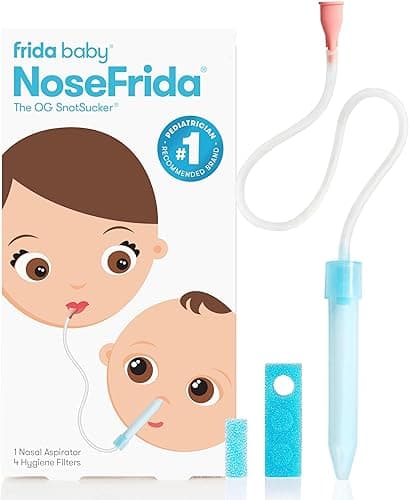
Frida Baby NoseFrida The Snotsucker Baby Nasal Aspirator
Look, we know sucking snot sounds like a horror movie plot, but the NoseFrida is the GOAT of nursery essentials. It’s weirdly satisfying, incredibly effective, and way more hygienic than those old-school bulbs that grow mold in secret.
Similarly, if your baby is experiencing gas or tummy discomfort, gentle warmth can be soothing. Products like the Frida Baby Windi Gas Reliever can offer targeted relief for gas, and pairing it with a warm, comforting environment can enhance its effectiveness.
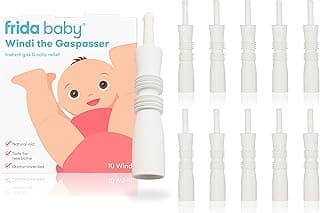
Frida Baby Windi Gas Reliever
INSTANT BABY GAS RELIEF: Say goodbye to gassy grimaces with our ingenious hollow tube that works like magic to instantly relieve trapped baby toots by creating a gentle passage for gas bubbles to escape while the specialized design triggers natural relaxation resulting in immediate relief for fussy babies
Supporting Nighttime Routines
The original article highlights this point, and it cannot be overstated. Nighttime diaper changes are often performed in dim lighting, with minimal interaction, all geared towards helping baby transition back to sleep swiftly. A cold wipe is a jarring interruption to this delicate balance. Warm wipes allow the change to be as non-invasive as possible, helping to maintain that drowsy state and improving the chances of a quick return to sleep for both baby and parents. Think of it as a small investment in everyone's sleep sanity.
Potential Downsides and Considerations
While the benefits are clear, it's also important to consider the potential drawbacks and practicalities of owning a wipe warmer.
Maintaining Hygiene and Preventing Mold
This is perhaps the most significant concern associated with wipe warmers. The warm, moist environment inside a wipe warmer can create an ideal breeding ground for bacteria and mold if not properly maintained. Mold spores can be harmful, especially to developing respiratory systems.
- Solution: Regularly clean your wipe warmer according to the manufacturer's instructions. This usually involves wiping down the interior with a mild disinfectant and ensuring it's completely dry before reloading with wipes. Use only fresh wipes and avoid letting them sit in the warmer for extended periods, especially if the warmer is unplugged or turned off. Change the wipes frequently, even if not fully used, to prevent stagnation.
Cost and Energy Consumption
A wipe warmer is an additional item to purchase, and while generally inexpensive, it adds to the cumulative cost of baby gear. It also consumes a small amount of electricity, which will be reflected on your energy bill. For some families, these minor costs might be a consideration.
Portability and Convenience
Wipe warmers are typically plug-in devices, meaning they are not portable. You cannot easily take a wipe warmer with you for diaper changes on the go, at a friend's house, or while traveling. This can lead to your baby getting accustomed to warm wipes at home and then reacting negatively to cold wipes when out and about. This potential inconsistency is something to weigh.
Dependency and Adaptability
Some parents worry that using a wipe warmer will make their baby dependent on warm wipes, leading to fussiness when only cold wipes are available. While babies do develop preferences, most babies are adaptable. As they get older, their nervous systems mature, and their sensitivity to temperature changes decreases. Many parents find they naturally phase out the wipe warmer as their baby approaches their first birthday or when nighttime changes become less frequent.
Who Might Benefit Most from a Wipe Warmer?
Given the pros and cons, certain families and babies are likely to find a wipe warmer particularly beneficial.
Winter Babies or Cold Climates
If your baby is born during the colder months or you live in a perpetually chilly environment, a wipe warmer can be a true comfort. The ambient temperature can make cold wipes feel even more frigid, increasing the likelihood of discomfort.
Babies with Extremely Sensitive Skin or Diaper Rash
For little ones prone to skin irritation, eczema, or recurrent diaper rash, every measure to reduce discomfort is valuable. Warm, gentle wipes can prevent further aggravation and make changing painful rashes a little less traumatic. Combined with using ultra-pure wipes, this can be a powerful strategy.
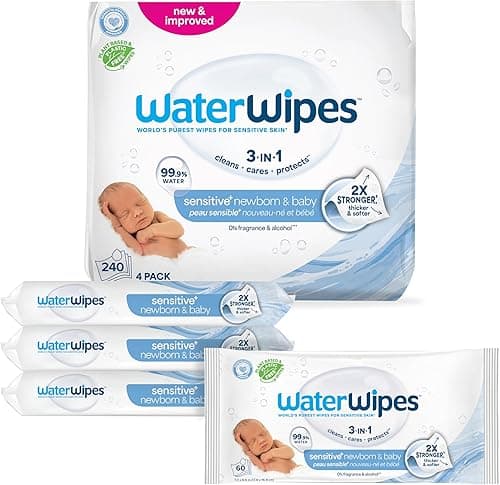
WaterWipes Original Baby Wipes, 99.9% Water, Unscented & Hypoallergenic
Clean those precious rolls with zero drama using the world's purest baby wipes. Featuring just two ingredients, these plant-based wipes are basically a cheat code for avoiding diaper rash while staying eco-friendly. It’s the peace of mind you need for your little one’s sensitive skin, wrapped in a plastic-free package.
WaterWipes Original Baby Wipes, made with 99.9% water and a drop of fruit extract, are often recommended by pediatricians for newborns and babies with sensitive skin due to their minimal ingredient list.
Fussy or Poor Sleepers
If your baby struggles with sleep, is easily startled, or takes a long time to resettle after night changes, a wipe warmer can contribute to a more seamless transition back to dreamland. Minimizing any potential disruptors is key to cultivating better sleep habits. Utilizing other sleep aids like a sound machine can also create a consistent, soothing environment.
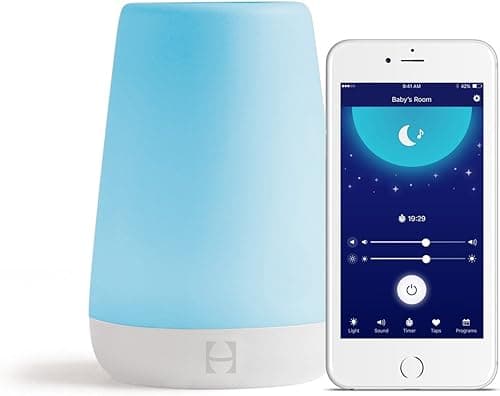
Hatch Rest Baby Sound Machine + Night Light
The Hatch Rest is the gold standard of nursery tech — it's a white noise machine, night light, "okay-to-wake" clock, and lullaby player all in one, controlled quietly from your phone. No more tip-toeing in to adjust the volume at 3 AM.
For nighttime sleep, dressing your baby in a comfortable, safe sleep sack is also essential.
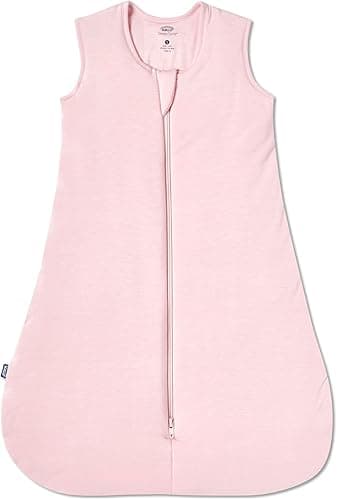
HALO SleepSack Wearable Blanket – 100% Cotton
The HALO SleepSack is the #1 pediatrician-recommended wearable blanket and is accepted by the American Academy of Pediatrics as safe sleep. It keeps babies warm and cozy throughout the night without any loose blanket risk.
Parents Prioritizing Seamless Night Changes
Ultimately, parenting involves finding what works best for your family. If the idea of smoother, quieter nighttime changes brings you peace of mind and reduces parental stress, then a wipe warmer might be a worthwhile investment in your family's overall well-being. A less stressed parent often means a calmer household.
Alternatives to a Wipe Warmer
If a wipe warmer isn't right for you, or if you need a solution for on-the-go, there are several effective alternatives:
Warm Water and Washcloths
The most traditional method involves using a soft cloth dampened with warm water. Keep a thermos of warm water and a stack of clean washcloths or cotton rounds near your changing station. This is often the gentlest option for extremely sensitive skin and ensures no added chemicals.
Holding Wipes in Hand
A quick and easy trick is to hold a cold wipe in your hand for a few seconds before using it. Your body heat will take the chill off, making it slightly more comfortable for your baby. This is a great solution for quick changes and when you're away from home.
Room Temperature Management
Ensuring your baby's changing area is comfortably warm can reduce the shock of cold wipes. Keep the nursery at a consistent, warm temperature, especially during colder months. This benefits not just diaper changes but overall baby comfort.
Expert Tips for Using and Maintaining Your Wipe Warmer (if you choose one)
If you decide to incorporate a wipe warmer into your nursery, follow these guidelines for optimal safety and effectiveness:
Filling and Placement
- Use High-Quality Wipes: Opt for wipes that are specifically designed to be used in warmers, or those known for their durability to prevent tearing.
- Don't Overfill: Follow manufacturer instructions on how many wipes to load. Overfilling can reduce the warmer's effectiveness and potentially damage the heating element.
- Place Strategically: Position the warmer conveniently next to your changing station, but out of reach of curious little hands. Ensure it's on a stable, flat surface away from water sources.
Cleaning and Maintenance Schedule
- Daily Check: Briefly inspect the warmer daily for any signs of mold or discoloration on the wipes or interior.
- Weekly Cleaning: Unplug the unit, empty any remaining wipes, and thoroughly clean the interior and exterior with a mild, baby-safe cleanser. Dry completely before reloading.
- Change Wipes Regularly: Even if not completely used, refresh the wipes every few days to minimize the risk of bacterial growth and ensure consistent moisture.
When to Discontinue Use
Most parents naturally phase out the wipe warmer as their baby grows.
- Age: By 6-12 months, many babies are less sensitive to cold wipes.
- Independence: As your child becomes more mobile and less tolerant of lying still, speed and simplicity often take precedence over warmth.
- Parental Preference: If you find the maintenance cumbersome or your baby no longer seems to mind cold wipes, it's perfectly fine to stop using it.
Beyond the Wipe Warmer: Holistic Diapering Comfort
Creating a comfortable diapering experience extends beyond just the temperature of the wipes. It's about a holistic approach to your baby's delicate skin and overall well-being.
Choosing the Right Wipes
The type of wipe you use can significantly impact your baby's skin health. Look for wipes that are:
- Hypoallergenic: Minimizes allergic reactions.
- Fragrance-Free: Artificial fragrances can irritate sensitive skin.
- Alcohol-Free: Alcohol can dry out and irritate skin.
- Minimal Ingredients: The fewer chemicals, the better, especially for newborns. As mentioned earlier, wipes with a high water content are often a top choice for sensitive skin.
WaterWipes Original Baby Wipes, 99.9% Water, Unscented & Hypoallergenic
Clean those precious rolls with zero drama using the world's purest baby wipes. Featuring just two ingredients, these plant-based wipes are basically a cheat code for avoiding diaper rash while staying eco-friendly. It’s the peace of mind you need for your little one’s sensitive skin, wrapped in a plastic-free package.
Diaper Rash Prevention and Treatment
Diligent diaper care is paramount.
- Frequent Changes: Don't let your baby sit in a wet or soiled diaper for too long.
- Thorough Drying: Gently pat your baby's bottom dry before applying cream and a fresh diaper.
- Barrier Creams: Use a protective barrier cream at every change, especially at night or if your baby is prone to rashes.
Triple Paste Diaper Rash Cream for Baby - 16 Oz Tub – Zinc Oxide Ointment Treats, Soothes & Prevents Diaper Rash, Pediatrician-Recommended Hypoallergenic Formula, Baby Essentials for Daily & Overnight
Gentle yet effective baby skin care formula: The Triple Paste diaper cream formula leverages the healing properties of 12.8% non-nano zinc oxide and combines them with oat extract, beeswax and more to immediately soothe and treat irritated skin Gentle yet effective baby skin care formula: The Triple Paste diaper cream formula leverages the healing properties of 12.8% non-nano zinc oxide and combines them with oat extract, beeswax and more to immediately soothe and treat irritated skin Medicated diaper rash ointment: Triple Paste is the pediatrician-recommended zinc oxide cream with an all-in-one triple action formula that treats mild to severe rashes, immediately soothes baby’s bum and prevents future diaper rashes Triple Paste baby diaper cream, is celebrated by parents who simply want the best for their baby’s delicate skin; store in your baby's diaper bag for on-the-go ease with baby care products; packaging may vary Better for baby: The diaper ointment is free from fragrance, alcohol, talc, dyes, parabens, phthalates and preservatives; a baby diaper rash cream that is gentle enough for daily use and safe for even the most sensitive skin
When to Call the Doctor: If a diaper rash is severe, blistering, weeping, or doesn't improve after a few days of consistent treatment, or if your baby develops a fever, contact your pediatrician. It could indicate a yeast infection or bacterial infection requiring medical intervention.
Optimizing the Changing Station
A well-organized changing station contributes to smoother, quicker changes.
- Comfortable Surface: Ensure a safe, soft changing pad with a washable cover.
- All Essentials Within Reach: Keep diapers, wipes (warm or otherwise), creams, and a change of clothes organized and accessible.
- Odor Control: A good diaper pail can make a significant difference in keeping the nursery fresh.
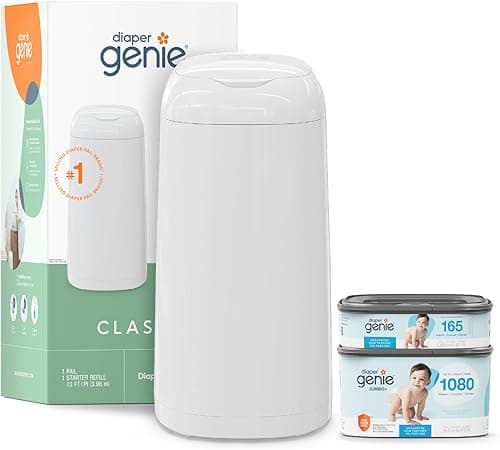
Diaper Genie Signature Pail - Odor Control System
Stop letting your nursery smell like a locker room; this pail uses double-tite clamps to literally lock the 'stink' away. The foot pedal is a total lifesaver for those 3 AM changes when you're essentially a zombie with only one free hand.
The Diaper Genie Signature Pail is renowned for its multi-layer odor barrier bags and air-tight clamps, effectively trapping smells and keeping your nursery smelling fresh.
- Ergonomics for Parents: Consider your own comfort. A comfortable changing height can prevent back strain. A supportive pillow can also be useful for nursing or for propping baby comfortably in other situations.
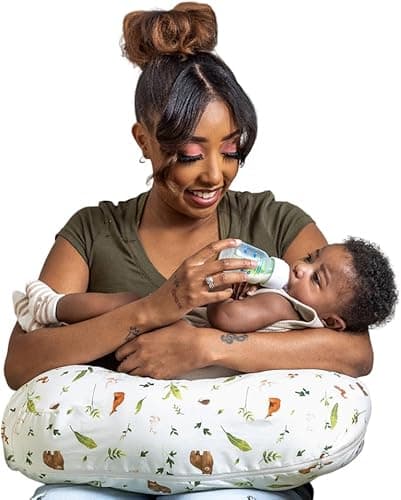
Boppy Nursing Pillow and Positioner - Original Support
This classic nursing pillow is the ultimate postpartum wingman, saving your back while your tiny human snacks. It’s a total multitasker too, effortlessly transitioning from feeding support to a propped-up lounge spot and tummy time station as your baby hits those early milestones.
The GooGaia Verdict: Is it a Necessity or a Nudge Towards Comfort?
So, do you really need a wipe warmer? From an expert perspective, no, it's not a medical necessity for every baby. Millions of babies thrive without ever encountering a warm wipe. However, the original GooGaia article's sentiment holds true: for certain babies and specific situations, it moves beyond a mere luxury to become a significant contributor to comfort and a more peaceful parenting experience.
It's a "luxury" in the sense that your baby can survive without it. But for winter babies, babies with highly sensitive skin, those prone to intense fussiness during changes, or for parents who prioritize minimizing nighttime disruptions above all else, a wipe warmer can indeed be "worth every penny." It's a tool that can provide a tangible benefit to both baby's comfort and parents' peace of mind.
Ultimately, the decision rests on your family's unique needs, your baby's temperament, and your parenting philosophy. If a small appliance can help make the demanding early months a little calmer and more comfortable for everyone, then it might be a worthwhile addition to your newborn toolkit.