Newborn Bath Time 101: Safety, Supplies, and Schedules
Bathing a newborn is often portrayed in media as a serene, joyful experience filled with gentle bubbles and contented baby gurgles. In reality, for many new parents, it can feel like a high-stakes wrestling match with a slippery, squirming, and often protesting tiny human. The initial apprehension is entirely normal, born from a primal instinct to protect your precious little one. They feel incredibly fragile, lack head control, and the idea of combining water with a baby can be intimidating.
But here’s the reassuring truth: with the right knowledge, preparation, and a calm approach, bath time can indeed evolve into a cherished ritual. It’s a wonderful opportunity for bonding, sensory exploration, and establishing a soothing routine that signals winding down for the day. This comprehensive guide, crafted by an expert pediatric specialist, is designed to equip you with everything you need to navigate newborn bath time safely, confidently, and even joyfully.
When to Start Your Newborn's Bath Journey
The timing of your baby's first bath is a topic that has evolved significantly in recent years, with scientific evidence guiding current recommendations.
The First Bath: Embracing Nature's Protection
Historically, newborns were often whisked away for a bath shortly after birth. However, most hospitals today delay the first bath for at least 24 hours, and often up to 48 hours or more, for several compelling reasons:
- Vernix Caseosa Preservation: Your baby is born covered in a white, waxy, cheese-like substance called vernix caseosa. This isn't dirt; it's a natural, protective biofilm. Composed of water, lipids, and proteins, vernix acts as a natural moisturizer, antioxidant, and antibacterial barrier. It helps regulate your baby's body temperature, protects against infection, aids in skin development, and offers a smooth transition from the aquatic environment of the womb to the drier world outside. Delaying the first bath allows this beneficial layer to be naturally absorbed into the skin, maximizing its protective qualities.
- Temperature Regulation: Newborns are still developing their ability to regulate body temperature. A bath, even in a warm room, can cause a drop in core body temperature, especially in the first few hours after birth. Delaying the bath helps ensure stable body temperature and reduces the risk of hypothermia.
- Bonding and Breastfeeding: A calmer, undisturbed newborn is more likely to engage in successful skin-to-skin contact with parents and initiate breastfeeding more effectively. Early baths can be stressful for a newborn, potentially interfering with these crucial early bonding and feeding experiences.
Navigating the Umbilical Cord: The Sponge Bath Era
Until your baby's umbilical cord stump naturally dries, shrivels, and falls off (typically within 1 to 3 weeks, though it can take longer), sponge baths are the gold standard. This is a critical safety measure:
- Preventing Infection: Submerging the umbilical cord stump in water can keep it moist, creating an ideal environment for bacterial growth and increasing the risk of infection. Keeping it dry is paramount for proper healing.
- Promoting Healing: A dry cord stump will heal and detach more quickly.
- Cord Care: While the stump is present, keep it clean and dry. Gently fold diapers below the stump to expose it to air. If it gets dirty, you can dab it with a clean, damp cloth and then thoroughly dry it. Do not pull or pick at the stump, even if it seems barely attached. Let it fall off naturally.
When to Call the Doctor: Umbilical Cord Concerns While normal cord care is straightforward, be vigilant for signs of infection. Call your pediatrician if you notice:
- Redness or swelling around the base of the cord.
- Pus or yellowish discharge.
- Foul odor.
- The baby cries when the cord or skin around it is touched.
- The cord doesn't fall off by 4 weeks of age.
Circumcision Care: A Brief Pause for Healing
If you have a baby boy who has been circumcised, it's generally recommended to wait until the circumcision site has fully healed before introducing a tub bath. This typically takes about 7 to 10 days.
- Healing Process: During this time, the area needs to be kept clean and dry to prevent infection and promote healing. Your pediatrician will provide specific care instructions, which usually involve applying petroleum jelly to the site with each diaper change to prevent the skin from sticking to the diaper.
- Sponge Bath Alternative: Continue with sponge baths until the area is completely healed. Once healed, the skin will look similar to the surrounding skin, and any crusting or scabbing will have disappeared.
- Uncircumcised Boys: For uncircumcised boys, no special care is needed other than gentle washing of the penis during a sponge or tub bath. Do not attempt to retract the foreskin, as it is naturally attached to the glans in infancy and should not be forced.
How Often Should Your Newborn Bathe? Less is More
One of the most common misconceptions about newborn care is that babies need daily baths. The truth is, newborns simply don't get dirty enough to warrant frequent bathing. Think about it: they don't play in the mud, run around, or sweat profusely.
For newborns, 1 to 3 times a week is plenty.
- Protecting Delicate Skin: A newborn's skin is incredibly delicate and still developing its protective barrier. Frequent bathing, especially with soap, can strip away natural oils, leading to dry skin, irritation, and potentially exacerbating conditions like eczema. The stratum corneum, the outermost layer of the skin, is thinner and more permeable in infants, making them more susceptible to dryness.
- Maintaining Skin Microbiome: The skin is home to a beneficial microbiome, a community of microorganisms that play a vital role in immune function and skin health. Over-bathing can disrupt this delicate balance.
- Daily "Top and Tail" Cleaning: While full baths are infrequent, daily cleaning of key areas is essential. This is often referred to as "top and tail" washing. Focus on:
- Face and Neck Folds: Gently wipe with a soft, warm, plain water-dampened cloth to remove milk dribbles and spit-up that can accumulate and cause irritation or rashes.
- Diaper Area: This is a crucial area for daily cleaning. With each diaper change, thoroughly clean the area.
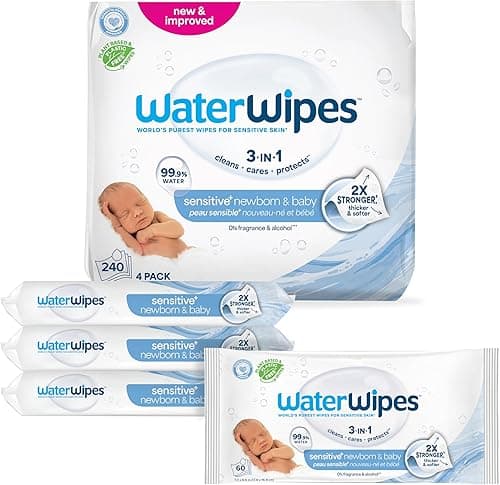
WaterWipes Original Baby Wipes, 99.9% Water, Unscented & Hypoallergenic
Clean those precious rolls with zero drama using the world's purest baby wipes. Featuring just two ingredients, these plant-based wipes are basically a cheat code for avoiding diaper rash while staying eco-friendly. It’s the peace of mind you need for your little one’s sensitive skin, wrapped in a plastic-free package.
WaterWipes Original Baby Wipes, made with 99.9% water and a drop of fruit extract, are an excellent choice for these daily clean-ups, especially for sensitive newborn skin, as they are free from harsh chemicals and fragrances that can cause irritation.
Step 1: Mastering the Sponge Bath (Weeks 1-2+)
The sponge bath is your initial foray into newborn hygiene, a gentle introduction to washing that keeps your baby warm and safe while their cord stump heals.
Setting the Scene: Warmth and Safety First
Choose a warm, draft-free room. You can perform a sponge bath on a changing table, on a towel laid on the floor, or even on your lap, ensuring you have a flat, stable surface. The key is to keep your baby comfortable and secure.
1. Gather Your Supplies (Before Baby Enters the Scene): This is paramount for safety and efficiency. * A shallow basin or bowl of warm water (test temperature on your wrist – it should feel comfortably warm, not hot). * Several soft washcloths or cotton balls. * Mild, fragrance-free baby soap (optional, and only a tiny drop if used). * A soft, clean towel (hooded towels are adorable and great for keeping baby's head warm). * A fresh diaper and change of clothes. * Any lotions or creams you plan to use after the bath.
2. Undress Strategically: To maintain your baby's warmth, only expose the part of their body you are actively washing. You can keep them swaddled or wrapped in a towel, revealing one limb or section at a time. This helps prevent them from getting chilled and becoming fussy.
3. Face First: Gentle Cleansing: * Dip a soft washcloth or cotton ball in plain warm water (no soap for the face, to avoid irritation). * Gently wipe your baby's eyes, always wiping from the inner corner towards the outer corner. Use a fresh part of the cloth or a new cotton ball for each eye to prevent cross-contamination. * Clean around the nose, mouth, and behind the ears. * Gently clean any milk residue or spit-up from the neck folds – these areas are notorious for trapping moisture and debris.
4. Body Wash: A Gentle Touch: * If using soap, apply a tiny drop to a fresh, damp washcloth. Lather it slightly. * Working quickly but gently, wash your baby's neck folds, chest, arms, armpits, and legs. Pay special attention to creases where moisture and lint can accumulate. * Rinse the soap off thoroughly with a clean, water-dampened cloth. * Keep checking the water temperature in your basin and change it if it cools down.
5. Genitals Last: The Clean-to-Dirty Rule: * This is a fundamental hygiene principle to prevent the spread of bacteria. Always wash the "cleanest" parts of the body first, leaving the diaper area for last. * For baby girls, wipe from front to back. Gently separate the labia majora to clean between the folds, but do not aggressively scrub. * For uncircumcised boys, gently wash the outside of the penis and scrotum. Do not pull back the foreskin. * For circumcised boys, gently clean the area, being careful around the healing site. Your pediatrician will have given specific instructions for this period. * Once washing is complete, thoroughly pat your baby dry, especially in all folds and creases.
Step 2: The Tub Bath Transition (Weeks 2+)
Once the umbilical cord stump has completely fallen off and the site is dry and healed, and if a circumcision site has fully healed, you can transition to a baby tub bath. This can be a joyful milestone!
Temperature Check: Non-Negotiable Safety
This is arguably the most critical safety aspect of a baby bath. A newborn's skin is extremely sensitive and thinner than adult skin, making them far more susceptible to scalding.
- Ideal Water Temperature: The water should be comfortably warm, ideally between 100°F (37.8°C) and 104°F (40°C).
- How to Test:
- Bath Thermometer: A dedicated baby bath thermometer (often shaped like a duck or fish) is the most accurate and recommended tool. Submerge it and wait for a stable reading.
- Elbow/Wrist Test: If you don't have a thermometer, dip your elbow or the inside of your wrist into the water. It should feel warm, not hot. Your hand is less sensitive and can give a false sense of security.
- Water Heater Setting: As a crucial preventative measure for your entire household, consider adjusting your home's water heater thermostat to a maximum of 120°F (49°C). This setting prevents accidental scalding for everyone, especially children, as water hotter than this can cause severe burns in a matter of seconds.
The Sacred Hold: Security and Confidence
Your grip on your baby during a bath is key to their safety and your confidence. A wet baby is incredibly slippery.
- The Cradle Hold: With your non-dominant arm, support your baby's head and neck, resting their head on your forearm and gripping their far shoulder/armpit securely with your hand. This keeps their head safely above water.
- The Washing Hand: Your dominant hand is now free to wash your baby.
- Maintain Contact: Always keep at least one hand firmly on your baby. If you realize you forgot the towel, a clean diaper, or anything else, you pick the baby up (wet and slippery) and take them with you. Do not turn your back, even for a split second.
Parent-to-Parent Tip: Prepare, Prepare, Prepare! Before you even think about putting your baby in the bath, gather everything you will need and lay it out within arm's reach. This includes: clean diaper, fresh clothes, towel, soap, washcloth, lotion, and even a fresh pacifier if your baby uses one. A pre-warmed towel (you can pop it in the dryer for a few minutes) is a lovely touch for post-bath snuggles. This meticulous preparation eliminates the need to step away for anything, ensuring constant supervision.
Essential Products: What You Need (and What You Don't)
The baby market is flooded with products, but when it comes to bath time, simplicity and safety are your best friends.
- Baby Bathtub: A dedicated baby tub provides a safe, comfortable, and controlled environment. There are various types: infant slings that fit in your sink, tubs with recline positions, or larger tubs that grow with your baby. Choose one that feels secure and easy to clean.
- Gentle Soap and Shampoo:
- Fragrance-Free and Tear-Free: Opt for products specifically designed for newborns, labeled as "fragrance-free," "hypoallergenic," and "tear-free." Harsh fragrances can irritate a baby's delicate skin and respiratory system.
- pH-Balanced: Look for products with a neutral pH to avoid disrupting the skin's natural acid mantle.
- Minimal Ingredients: Brands like CeraVe Baby, Aquaphor Baby, Eucerin Baby, or Mustela are often recommended by pediatricians for their gentle formulations.
- Avoid: Heavily scented products, adult soaps, or antibacterial soaps, which can be too harsh and strip natural oils.
- Soft Washcloths: Use soft cotton washcloths, preferably designated for baby's bath.
- Towels: Hooded towels are adorable and practical, providing extra warmth for their head as soon as they come out of the water. However, any soft, clean towel will do the job.
- Baby Lotion or Emollient:
- When to Apply: Apply lotion while your baby's skin is still slightly damp (within 3 minutes of drying) to help lock in moisture.
- Type: Choose a fragrance-free, hypoallergenic lotion or cream. For babies with very dry skin or eczema, your pediatrician might recommend a thicker emollient like petroleum jelly or a specific eczema cream.
- Diaper Rash Cream: Applying a barrier cream after bath and drying can be a good preventative measure.
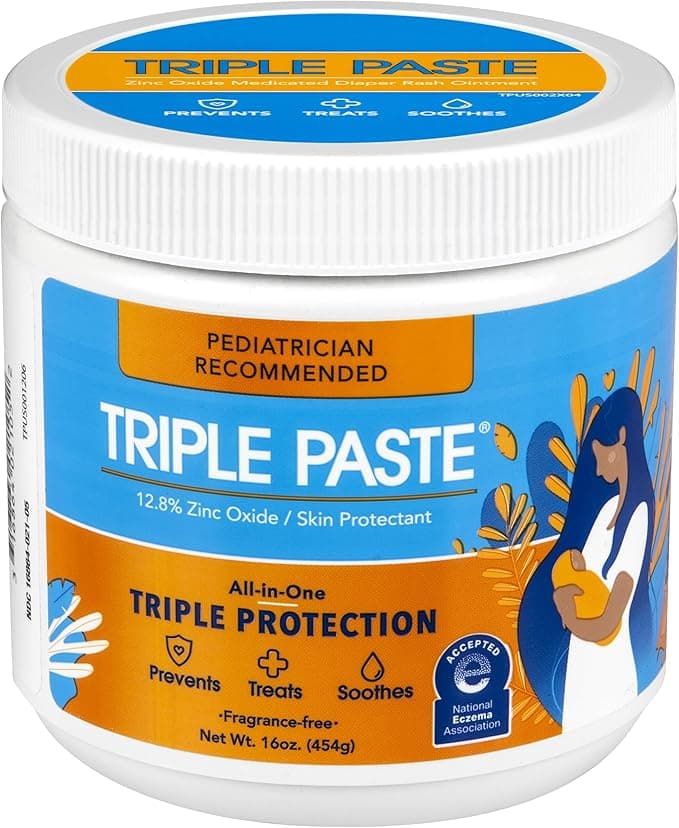
Triple Paste Diaper Rash Cream for Baby - 16 Oz Tub – Zinc Oxide Ointment Treats, Soothes & Prevents Diaper Rash, Pediatrician-Recommended Hypoallergenic Formula, Baby Essentials for Daily & Overnight
Gentle yet effective baby skin care formula: The Triple Paste diaper cream formula leverages the healing properties of 12.8% non-nano zinc oxide and combines them with oat extract, beeswax and more to immediately soothe and treat irritated skin Gentle yet effective baby skin care formula: The Triple Paste diaper cream formula leverages the healing properties of 12.8% non-nano zinc oxide and combines them with oat extract, beeswax and more to immediately soothe and treat irritated skin Medicated diaper rash ointment: Triple Paste is the pediatrician-recommended zinc oxide cream with an all-in-one triple action formula that treats mild to severe rashes, immediately soothes baby’s bum and prevents future diaper rashes Triple Paste baby diaper cream, is celebrated by parents who simply want the best for their baby’s delicate skin; store in your baby's diaper bag for on-the-go ease with baby care products; packaging may vary Better for baby: The diaper ointment is free from fragrance, alcohol, talc, dyes, parabens, phthalates and preservatives; a baby diaper rash cream that is gentle enough for daily use and safe for even the most sensitive skin
Triple Paste Diaper Rash Cream is a highly effective option, known for its thick, protective barrier and gentle ingredients, making it ideal for both treatment and prevention of diaper rash.
Addressing Cradle Cap (Infantile Seborrheic Dermatitis)
Cradle cap is a common, harmless skin condition that appears as yellow, greasy, scaly patches on a baby's scalp. It's not a sign of poor hygiene and usually resolves on its own within a few weeks or months.
Understanding Cradle Cap: It's believed to be caused by overactive sebaceous glands in the skin, stimulated by maternal hormones still present in the baby's system. It is not contagious and typically doesn't bother the baby, though some parents find the appearance concerning.
Gentle Treatment during Bath Time:
- Pre-Bath Softening: About 15-30 minutes before bath time, gently massage a small amount of baby oil, mineral oil, or even olive oil onto your baby's scalp. This helps to loosen the scales.
- Gentle Scrubbing: During the bath, use a soft baby brush (a clean, soft toothbrush works well too) or a fine-toothed comb to gently brush the loosened scales away. Be very gentle and avoid harsh scrubbing, which can irritate the scalp.
- Shampooing: Wash the scalp with a mild baby shampoo to rinse away the oil and scales.
- Rinsing and Drying: Rinse thoroughly to ensure no oil residue remains, then pat the scalp dry.
- Repeat as Needed: You can do this daily or every few days until the cradle cap clears. When to Call the Doctor: If cradle cap spreads beyond the scalp, becomes red, inflamed, itchy, or seems to be causing your baby discomfort, or if it doesn't improve with home treatment, consult your pediatrician. They may recommend a medicated shampoo.
Safety Red Flags: Prioritizing Your Baby's Well-being
Bath time should be a relaxed and enjoyable experience, but it requires unwavering vigilance to ensure safety.
- Scalding Prevention:
- Water Heater Setting: Reiterate setting your home water heater to a maximum of 120°F (49°C). This is a critical household safety measure for all members, especially young children and the elderly.
- Test Every Time: Always test the bath water temperature with a thermometer or your elbow/wrist before placing your baby in the tub.
- Fill First: Fill the tub with water before bringing your baby into the bathroom. Never add hot water while your baby is in the tub.
- Preventing Slips:
- Secure Seating: Many baby tubs come with built-in non-slip surfaces or contours. If yours doesn't, or if you're using a larger tub, place a washcloth or a small, non-slip mat at the bottom of the baby tub to prevent your baby's bottom from sliding around.
- Firm Grip: Always maintain a firm, secure grip, especially when lifting your baby in and out of the tub.
- Drowning: A Silent Danger: This is the most serious risk associated with bath time and cannot be overstated.
- Never, Ever Leave a Baby Unattended: Babies can drown in as little as one inch of water and it can happen silently and quickly. Drowning is the leading cause of injury-related death in children under 4 years old.
- Constant Supervision: This means no answering the door, no running to grab a forgotten item, and absolutely no phone use. Silence your phone and leave it in another room. Bath time is a dedicated, distraction-free zone.
- If You Must Leave: If an emergency arises (e.g., the doorbell rings, an older child calls), wrap your baby in a towel and take them with you. Do not leave them in the water, even for a second.
Creating a Positive Bath Time Experience
While safety is paramount, fostering a positive association with bath time can turn it into a cherished part of your daily routine.
For the Fussy Baby: Strategies for Serenity
If your baby consistently screams or fusses during baths, try these "parent-to-parent" tips:
- Skin-to-Skin Bathing: Sometimes, the unfamiliar sensation of water and air can be overwhelming. Try getting into a warm, shallow bath with your baby. Have a partner hand your baby to you once you are comfortably seated. Holding your baby skin-to-skin in the warm water can be incredibly calming and reassuring. Just ensure your partner is there to help you safely get in and out.
- Timing is Everything: Don't attempt a bath when your baby is overtired, hungry, or cranky. Choose a time when they are alert and content.
- Warmth is Key: Ensure the room is extra warm. You can use a space heater (safely positioned away from water) to pre-warm the bathroom. Keep a warm towel ready for immediate wrapping.
- Gentle Introduction: Lower your baby into the water slowly and gently, feet first, maintaining eye contact and speaking in soft, reassuring tones.
- Short and Sweet: Keep baths brief, especially in the beginning, aiming for just 5-10 minutes.
- Make it Sensory: Sing soft songs, talk to your baby, gently pour water over their body (avoiding the face initially), and offer a soft bath toy for distraction as they get older.
Establishing a Soothing Routine
Bath time can be a powerful cue for sleep, especially when integrated into a consistent bedtime routine.
- Warmth and Calm: Ensure the room is warm, and the lighting is soft.
- Gentle Wash: A warm bath can relax muscles and signal winding down.
- Massage and Lotion: After patting dry, a gentle massage with baby lotion can be incredibly soothing and help connect with your baby.
- Comfort and Swaddle: Dress your baby in comfortable sleepwear.

HALO SleepSack Wearable Blanket – 100% Cotton
The HALO SleepSack is the #1 pediatrician-recommended wearable blanket and is accepted by the American Academy of Pediatrics as safe sleep. It keeps babies warm and cozy throughout the night without any loose blanket risk.
A HALO SleepSack Cotton is an excellent choice for keeping your baby warm and safe without loose blankets, providing a sense of security that promotes sleep. 5. Quiet Time: Follow the bath with quiet activities like reading a book, singing lullabies, or a gentle feed.

Hatch Rest Baby Sound Machine + Night Light
The Hatch Rest is the gold standard of nursery tech — it's a white noise machine, night light, "okay-to-wake" clock, and lullaby player all in one, controlled quietly from your phone. No more tip-toeing in to adjust the volume at 3 AM.
Incorporating a Hatch Rest Sound Machine can further enhance this routine by providing soothing sounds (white noise, lullabies) and a soft night light, creating a consistent and calming environment that helps signal sleep time.
Expert Tip: Watch for Cues Every baby is different. Some babies love the bath from day one; others take time to adjust. Pay attention to your baby's cues. If they are consistently distressed, shorten the bath, adjust the temperature, or try different times of day. Persistence with a gentle approach will often lead to eventual enjoyment.
Conclusion
Bathing your newborn is undeniably a learning curve, one that blends practical skills with a deep sense of responsibility and love. While the initial moments might be fraught with nerves, remember that you are building confidence with each gentle wash and reassuring word. By understanding the scientific reasons behind current recommendations, diligently preparing your space and supplies, and prioritizing safety above all else, you can transform what might initially feel terrifying into a treasured time for connection and care.
Embrace the splashes, the gurgles, and yes, even the occasional protest. These moments are fleeting, and before you know it, your tiny newborn will be a toddler gleefully splashing and playing in the tub, making bath time their favorite part of the day. With the comprehensive knowledge and empathetic guidance provided here, you are well-equipped to make every bath a safe, nurturing, and joyful experience for you and your little one.