Decoding the Crying: Colic, PURPLE Crying, and the Witching Hour
The books tell you babies cry to communicate. They cry when they are hungry, wet, or tired. They cry for connection, for comfort, or simply because they are learning to navigate a brand new world outside the womb. But what about those times when your newborn is red-faced, screaming relentlessly, and nothing you do seems to bring them relief?
This intense period is often one of the most challenging aspects of the "fourth trimester" – that crucial postnatal phase where your baby is adjusting to life earthside. It's a time of profound development and intense learning, both for your little one and for you as a parent. Whether families refer to this phenomenon as Colic, PURPLE Crying, or the Witching Hour, the experience is universally exhausting, often leading to feelings of helplessness and self-doubt. Understanding the nature of this crying phase isn't just about managing the noise; it's about safeguarding your well-being and strengthening your bond with your baby by knowing you're not alone and that this, too, shall pass.
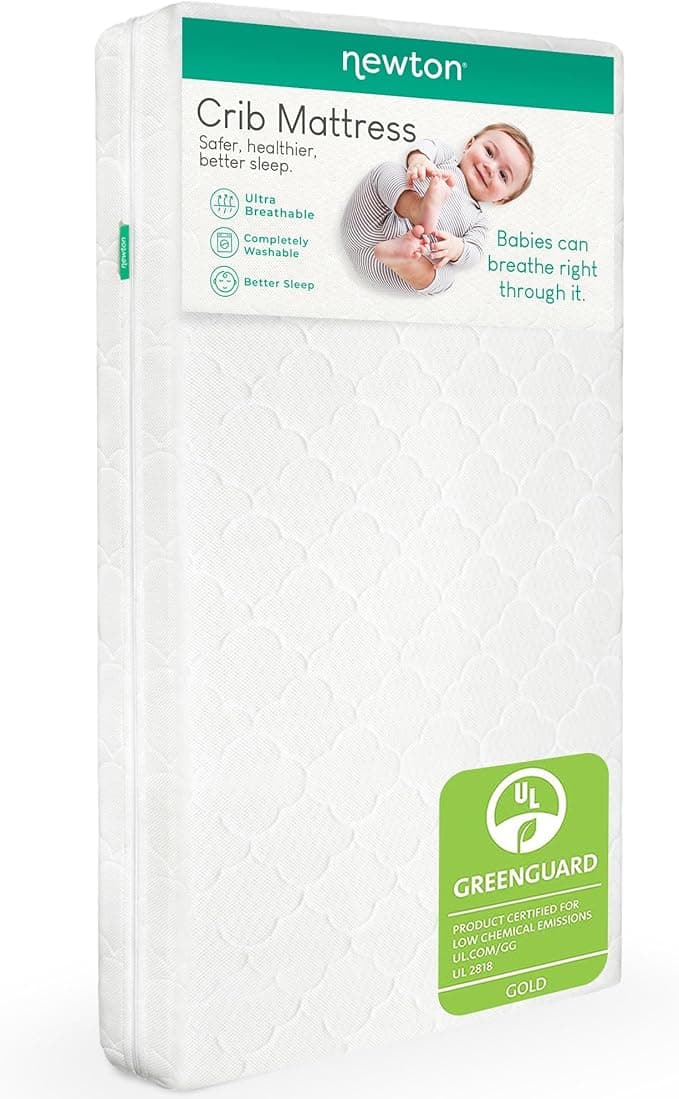
Newton Baby Crib Mattress and Toddler Bed
Say goodbye to 'is-my-baby-breathing' anxiety with the only mattress that’s basically 90% air and 100% peace of mind. It’s fully washable (yes, even the core) because we know life is messy, and your sleep is worth the investment.
What is Normal? The Developmental Arc of Infant Crying
All babies cry. It is their primary, and for a long time, their only form of communication. From the moment they take their first breath, crying signals needs – hunger, discomfort, a soiled diaper, or the desire to be held close. But there's a specific pattern of crying that emerges in the early weeks of life, a pattern that can take even the most prepared parents by surprise.
Around two weeks of age, many newborns begin to cry more frequently and intensely. This crying typically escalates, reaching its peak intensity and duration around six to eight weeks of age. After this peak, it gradually starts to subside, usually by three to four months. This predictable increase and decrease in crying is a normal developmental phase, not necessarily a sign that something is wrong with your baby or your parenting.
The Science Behind the Scream: Why Crying Peaks
From a scientific standpoint, this crying surge is believed to be linked to several factors:
- Immature Nervous System: Newborns' central nervous systems are still developing. They are bombarded with new sensory input – sights, sounds, textures, temperatures – that they are not yet equipped to process efficiently. This can lead to overstimulation and overwhelm, manifesting as intense crying.
- Rapid Brain Development: The first few months are a period of explosive brain growth and the formation of countless neural connections. This intense internal activity can be taxing and contribute to periods of fussiness as the baby integrates new experiences.
- Developing Circadian Rhythms: Babies are born without established sleep-wake cycles. It takes time for their internal clocks to synchronize with day and night, leading to more wakefulness and potential fussiness in the evenings.
- Gastrointestinal Maturation: While not the sole cause, a baby's digestive system is also maturing. Gas, minor reflux, and learning to coordinate feeding and digestion can cause discomfort, contributing to crying episodes.
The Rule of Threes (Colic): A Shifting Understanding
Historically, doctors used a specific set of criteria, known as the "Rule of Threes," to diagnose colic:
- Crying for more than 3 hours a day.
- For more than 3 days a week.
- For more than 3 weeks consecutively.
While this definition has been helpful in standardizing diagnosis, medical professionals are increasingly moving away from the term "colic" as a primary diagnosis for unexplained, prolonged crying. The word "colic" itself implies a gastrointestinal issue (like a "colon" problem), suggesting pain or discomfort stemming from the gut. However, for the vast majority of babies who meet these criteria, there is no underlying medical or digestive pathology. Studies show that treatments aimed at gastrointestinal issues (like switching formulas or specialized diets for breastfeeding mothers) only help a small percentage of these infants.
The prevailing understanding now is that this intense crying is primarily a developmental phase, a normal (albeit challenging) part of early infancy. It's not a failure on the parent's part, nor is it a sign of a "sick" baby in most cases. This shift in terminology is crucial for parents, as it helps alleviate the guilt and endless search for a "cure" when often, the only "cure" is time and a robust support system.
PURPLE Crying: A Comprehensive Framework for Understanding
To better communicate the nature of this crying phase and provide reassurance to parents, the National Center on Shaken Baby Syndrome developed the acronym PURPLE Crying. This framework emphasizes that this is a temporary, normal, and often unavoidable phase of infant development, helping parents understand that they are not alone and their baby is not necessarily in pain or "broken."
Let's break down each element of PURPLE Crying:
-
P: Peak of Crying: As discussed, crying increases each week, peaking around two months of age. This means that just when parents are starting to feel a little more confident, the crying can ramp up significantly. It's vital to remember this is a predictable pattern, not a sudden worsening.
-
U: Unexpected: The crying can come and go without any apparent reason. One moment your baby might be calm and content, and the next, they're screaming inconsolably. There might be no hunger cue, no wet diaper, no obvious discomfort. This unpredictability is a hallmark of PURPLE Crying and often the most frustrating aspect for parents searching for an identifiable cause.
-
R: Resists Soothing: Your usual tricks – feeding, rocking, cuddling, burping – might not stop the crying. This is where the feelings of helplessness often set in. It's not that your soothing methods are bad or ineffective; it's simply that during these intense crying spells, the baby's nervous system is so overwhelmed that they are temporarily beyond conventional comfort. This phase can be particularly disheartening, but remember, just being present and attempting to soothe is still beneficial for your baby, even if the crying doesn't immediately stop.
-
P: Pain-like Face: Even though there's often no actual pain, babies experiencing PURPLE Crying can look like they are in agony. Their faces might be red and contorted, their bodies tense, their legs drawn up. This can be incredibly distressing for parents, leading them to believe their baby is suffering immensely. Understanding that this is their intense expression of overwhelm, rather than necessarily severe physical pain, can offer a degree of psychological relief.
-
L: Long Lasting: These crying bouts can last for hours – five hours or more in some cases. This extended duration is incredibly draining for parents, physically and emotionally. It's a marathon, not a sprint, and requires significant resilience.
-
E: Evening: This crying often occurs in the late afternoon and evening hours, commonly referred to as the "Witching Hour." This timing is likely due to accumulated stimulation throughout the day and the baby's still-developing circadian rhythm. Parents themselves may also be more tired at this time, making the crying even harder to bear.
The Witching Hour Survival Guide: Strategies for Parents
The "Witching Hour" typically strikes between 5:00 PM and 10:00 PM, turning what should be a peaceful evening into a chaotic battle. This isn't just about intense crying; it often involves cluster feeding, fussiness, and an inability to settle.
Understanding the "Why" of the Witching Hour
While PURPLE Crying describes what happens, the Witching Hour gives it a specific timeframe. Why evenings?
- Overstimulation: Babies process a day's worth of new sights, sounds, and interactions. By evening, their immature nervous systems can become overloaded, leading to a meltdown.
- Parental Fatigue: Parents are also tired by the end of the day, making their patience reserves lower. Babies pick up on stress and can become more unsettled.
- Cluster Feeding: Many babies, especially breastfed infants, may "cluster feed" in the evenings, meaning they want to feed very frequently, sometimes non-stop. This is a normal way for them to "tank up" for a longer stretch of sleep or to boost mom's milk supply. While feeding, they may still be fussy between feeds or even during them.
Dr. Harvey Karp's 5 S's: Activating the Calming Reflex
Dr. Harvey Karp, author of "The Happiest Baby on the Block," introduced the concept of the "Calming Reflex" – an innate mechanism in babies that can be triggered by recreating the sensations of the womb. Master the 5 S's:
- Swaddle: Tightly wrapping your baby with their arms down, mimicking the snugness of the womb. A secure swaddle prevents the startle reflex (Moro reflex) from waking or disturbing them. Ensure it's not too tight around the hips to prevent hip dysplasia. Always place a swaddled baby on their back for sleep, and discontinue swaddling once they show signs of rolling over.

HALO SleepSack Wearable Blanket – 100% Cotton
The HALO SleepSack is the #1 pediatrician-recommended wearable blanket and is accepted by the American Academy of Pediatrics as safe sleep. It keeps babies warm and cozy throughout the night without any loose blanket risk.
-
Side/Stomach Position: While never for sleep, holding your baby on their side or stomach across your arm, shoulder, or lap can be incredibly soothing for a crying infant. The pressure on their tummy can help with gas, and the change in position is often distracting. Always return them to their back for sleep.
-
Shush: Loud white noise, louder than your baby's crying, can be incredibly effective. The womb is a surprisingly noisy place – the whoosh of blood, the sound of your heartbeat. Recreating this soundscape can be immensely comforting. Think about static noise, a vacuum cleaner, a hairdryer, or specialized sound machines.

Hatch Rest Baby Sound Machine + Night Light
The Hatch Rest is the gold standard of nursery tech — it's a white noise machine, night light, "okay-to-wake" clock, and lullaby player all in one, controlled quietly from your phone. No more tip-toeing in to adjust the volume at 3 AM.
-
Swing: Not gentle rocking, but aggressive jiggling that supports the head and neck. This is a rhythmic, rapid motion – like a dance – that can often "reset" an overstimulated baby. Ensure your baby's head and neck are always fully supported. This is not about violently shaking your baby; it's about providing vigorous, controlled motion.
-
Suck: Offering a pacifier, your clean finger, or the breast (if breastfeeding and they're still hungry) can be powerfully calming. Sucking is a primal self-soothing mechanism that releases calming hormones.
Beyond the 5 S's: Additional Soothing Strategies
When the 5 S's aren't enough, consider these additional tactics:
-
Change the Sensory Input:
- Go Outside: The fresh air, a change of scenery, and natural light can often instantly reset a baby's mood. Even a few minutes on the porch can work wonders.
- Water: The sound of running water can be surprisingly soothing. A warm bath (if your baby enjoys it) can also relax tense muscles and distract from discomfort.
- Darkness & Quiet: Sometimes, babies are simply overstimulated. Retreating to a pitch-black, quiet room can help them decompress. This is particularly effective during the Witching Hour.
- Movement: A car ride (even a short one), a walk in a stroller, or using a baby carrier can provide rhythmic movement that calms many babies.
-
Address Potential Discomfort:
- Check for Gas: Babies are often gassy. Bicycling their legs, gentle tummy massage, or specific gas relief tools can help.

Frida Baby Windi Gas Reliever
INSTANT BABY GAS RELIEF: Say goodbye to gassy grimaces with our ingenious hollow tube that works like magic to instantly relieve trapped baby toots by creating a gentle passage for gas bubbles to escape while the specialized design triggers natural relaxation resulting in immediate relief for fussy babies
* **Diaper Check:** Even a slightly damp diaper can be irritating for sensitive skin. Ensure the diaper area is clean and dry. Consider using gentle wipes and a protective cream.

WaterWipes Original Baby Wipes, 99.9% Water, Unscented & Hypoallergenic
Clean those precious rolls with zero drama using the world's purest baby wipes. Featuring just two ingredients, these plant-based wipes are basically a cheat code for avoiding diaper rash while staying eco-friendly. It’s the peace of mind you need for your little one’s sensitive skin, wrapped in a plastic-free package.

Triple Paste Diaper Rash Cream for Baby - 16 Oz Tub – Zinc Oxide Ointment Treats, Soothes & Prevents Diaper Rash, Pediatrician-Recommended Hypoallergenic Formula, Baby Essentials for Daily & Overnight
Gentle yet effective baby skin care formula: The Triple Paste diaper cream formula leverages the healing properties of 12.8% non-nano zinc oxide and combines them with oat extract, beeswax and more to immediately soothe and treat irritated skin Gentle yet effective baby skin care formula: The Triple Paste diaper cream formula leverages the healing properties of 12.8% non-nano zinc oxide and combines them with oat extract, beeswax and more to immediately soothe and treat irritated skin Medicated diaper rash ointment: Triple Paste is the pediatrician-recommended zinc oxide cream with an all-in-one triple action formula that treats mild to severe rashes, immediately soothes baby’s bum and prevents future diaper rashes Triple Paste baby diaper cream, is celebrated by parents who simply want the best for their baby’s delicate skin; store in your baby's diaper bag for on-the-go ease with baby care products; packaging may vary Better for baby: The diaper ointment is free from fragrance, alcohol, talc, dyes, parabens, phthalates and preservatives; a baby diaper rash cream that is gentle enough for daily use and safe for even the most sensitive skin
*   **Temperature:** Is your baby too hot or too cold? Check their neck or back for warmth.
*   **Hair Tourniquet (Expert Tip):** This is rare but critical. A loose strand of hair can wrap tightly around a finger, toe, or even the penis, cutting off circulation and causing intense pain. Always check these areas if crying is inconsolable and unexplained.
-
Skin-to-Skin Contact: Holding your bare-chested baby against your bare chest can regulate their heart rate, breathing, and temperature, and release oxytocin – the "love hormone" – for both of you.
-
Burping: Experiment with different burping positions (over the shoulder, sitting up, tummy time) to release trapped air.
-
Gentle Massage: A light, rhythmic massage on the back, tummy, or legs can be calming.
Self-Care for the Exhausted Parent: You Matter Too!
Surviving the Witching Hour, or any prolonged crying spell, demands immense emotional and physical resilience from parents. Remember, you cannot pour from an empty cup.
- Tag Team: If you have a partner, trade off every 30 minutes, or even more frequently. One parent handles the baby while the other takes a break – even if it's just to step into another room for five minutes.
- Noise-Canceling Headphones: It's absolutely NOT bad parenting to wear noise-canceling headphones while holding a screaming baby. This simple act can reduce your stress levels significantly, allowing you to remain present and calm for your baby.
- Take Breaks: If you're alone, it is ALWAYS safer to put your baby in their crib or another safe space (like a playpen) and walk away for a few minutes. Step out of the room, grab a drink of water, splash cold water on your face, call a friend, or scream into a pillow. A crying baby is safe alone in their crib; they are not safe with an overwhelmed parent who has lost control.
- Nutrition and Hydration: In the chaos, it's easy to forget to eat and drink. Keep snacks and a water bottle handy.
- Seek Support: Talk to your partner, a friend, a family member, or a support group. Sharing your struggles can reduce feelings of isolation and provide invaluable emotional relief. Don't hesitate to reach out to your pediatrician or a mental health professional if you feel overwhelmed, anxious, or depressed.
When to Call the Doctor: Differentiating Normal Crying from Medical Concerns
While PURPLE Crying is a normal developmental phase, it's crucial to be vigilant for signs that might indicate a medical issue requiring professional attention. Always trust your parental instincts – if something feels "off," it's always best to consult your pediatrician.
Here are specific scenarios that warrant a call to the doctor or an immediate visit to the emergency room:
- Fever in a Newborn (Under 3 Months): Any fever of 100.4°F (38°C) or higher rectally in a baby under three months old is a medical emergency and requires immediate evaluation by a doctor, typically in the emergency room. Their immune systems are still developing, and a fever can be a sign of a serious infection.
- Projectile Vomiting: Differentiate between normal spit-up (which is common and often effortless) and forceful, projectile vomiting. Projectile vomiting, especially after every feeding or in increasing frequency, can be a sign of conditions like pyloric stenosis (a narrowing of the stomach outlet).
- Stool Changes: Blood or mucus in the diaper, unusually watery diarrhea, or severe constipation (hard, pebble-like stools) warrant a call to your pediatrician.
- Lethargy or Unresponsiveness: If your baby seems unusually sleepy, difficult to wake, floppy, or unresponsive, seek immediate medical attention.
- Decreased Wet Diapers: Fewer wet diapers than normal (e.g., less than 6 in 24 hours for an infant over 5 days old) can indicate dehydration.
- Unusual or High-Pitched Cry: While PURPLE crying is intense, a sudden, high-pitched, cat-like shriek or a weak, moaning cry can sometimes be a sign of illness.
- Rashes or Skin Changes: Especially if accompanied by fever or if they look like blood spots (petechiae) that don't blanch when pressed.
- Difficulty Breathing: Fast breathing, grunting, nasal flaring, or retractions (sucking in of the skin between ribs or above the collarbone) are signs of respiratory distress.
- Physical Injury: If you suspect your baby has been injured, even if you are unsure of the cause, seek medical help immediately.
Expert Tip: Trust Your Gut
As a parent, you know your baby best. If you have a persistent feeling that something isn't right, or if your baby's crying sounds fundamentally different from their usual fussiness, do not hesitate to contact your healthcare provider. It's always better to be safe than sorry.
A Vital Note on Shaken Baby Syndrome (Abusive Head Trauma)
It is a deeply uncomfortable but absolutely critical truth that inconsolable infant crying is the #1 trigger for Shaken Baby Syndrome (also known as Abusive Head Trauma). In moments of extreme frustration and exhaustion, some parents or caregivers, unable to stop the crying, may lose control and shake a baby. This can cause devastating, irreversible brain damage, lifelong disabilities, or even death.
If you ever feel like you are losing control, that you are going to snap, or that you cannot cope with the crying for another second:
- Put the baby down safely: Place your baby securely in their crib, bassinet, or playpen. Ensure they are on their back.
- Walk away: Leave the room.
- Close the door: Give yourself a physical barrier.
- Take a break and cool down:
- Call a trusted friend, family member, or partner.
- Call a crisis hotline (like a parent stress line).
- Take deep breaths, count to ten, or listen to music.
- Splash cold water on your face.
- Scream into a pillow.
- Step outside for a few minutes.
Remember this critical message: Your baby is infinitely safer crying alone in their crib for 10 or 15 minutes than being held by a parent who is on the verge of losing control. It is okay to need a break. It is okay to ask for help. It is a sign of strength, not weakness, to recognize your limits and protect your baby.
Conclusion: This Too Shall Pass
The phase of intense infant crying, whether you call it Colic, PURPLE Crying, or the Witching Hour, is an undeniable challenge of early parenthood. It can test your patience, your sanity, and your deepest reserves of love and empathy. But it is also a temporary, developmental phase. You are not doing anything wrong. Your baby does not hate you. They are simply having a hard time being a brand new human, processing a world that is loud, bright, and full of overwhelming sensations.
Embrace the strategies, lean on your support system, and remember to prioritize your own well-being. Look for those brief moments of calm, those tiny smiles, and the unwavering love you have for your little one. This demanding period will end, and you will emerge from it stronger, more resilient, and with an even deeper appreciation for the quiet moments. Hang in there – you are doing an amazing job.