The Science of Bonding: Building a Secure Attachment from Day One
The journey into parenthood is often described as transformative, a profound shift that reorganizes one's entire world. At the heart of this transformation lies the sacred process of bonding – the deep, emotional connection that forms between a parent and their child. For some, this connection sparks instantly, a breathtaking moment of recognition and love in the "magic hour" after birth. Yet, for many others, it unfolds gradually, a relationship built brick by brick, moment by moment.
Regardless of your initial experience, it's vital to remember: Bonding is a process, not an event. It's a dynamic dance of discovery, learning, and unconditional love that evolves over time. This foundational connection, known as secure attachment, is not just about feeling warm and fuzzy; it's a critical cornerstone for your child's entire future – influencing their mental health, resilience, social relationships, and even their physical well-being.

Diaper Genie Signature Pail - Odor Control System
Stop letting your nursery smell like a locker room; this pail uses double-tite clamps to literally lock the 'stink' away. The foot pedal is a total lifesaver for those 3 AM changes when you're essentially a zombie with only one free hand.
Every diaper change, every feeding, every cuddle contributes to this intricate tapestry of connection. This guide will delve into the science and art of building a secure attachment from day one, offering an evidence-based roadmap for nurturing this vital relationship.
Understanding Secure Attachment: The Blueprint for a Lifetime
The concept of secure attachment was pioneered by psychologist John Bowlby and further developed by Mary Ainsworth. Their groundbreaking work highlighted that infants are biologically predisposed to seek proximity to a primary caregiver, especially when distressed. This isn't just about survival; it's about forming an emotional bond that serves as a "secure base" from which a child can confidently explore their world, knowing they have a safe haven to return to.
A securely attached child internalizes several crucial messages about themselves and their environment:
- "I am safe and protected." They learn that the world, while sometimes overwhelming, can be navigated with support.
- "My needs matter, and they will be met." This fosters a sense of self-worth and trust in others.
- "If I express distress, someone responsive will come." This teaches them that they are capable of eliciting care and that relationships can provide comfort and security.
This doesn't mean parents need to be perfect; perfection is an unattainable myth. Instead, it emphasizes the power of responsive parenting. Research, particularly from the Harvard Center on the Developing Child, underscores that consistent, predictable, and sensitive responses to a child's cues are paramount. They coined the term "serve and return" to describe this interactive dance, where a child "serves" a cue (a coo, a cry, a gesture), and the parent "returns" a response. This back-and-forth interaction literally builds the architecture of the developing brain.
The beauty of secure attachment is that it doesn't demand flawless parenting. Studies suggest that being attuned and responsive to your child approximately 30-50% of the time – often referred to as "good enough parenting" – is sufficient to foster a secure bond. This understanding offers immense relief to parents navigating the beautiful chaos of newborn life, freeing them from the burden of unattainable perfection and empowering them to focus on authentic, present moments of connection.
The Biology of Bonding: A Symphony of Hormones
The human body is exquisitely designed for bonding. A powerful cocktail of neurochemicals orchestrates the formation of parental love, turning biological imperatives into profound emotional connections.
Oxytocin: The "Love Hormone"
Oxytocin is often hailed as the star of the bonding show. This neuropeptide is released in abundance during key moments of the parenting journey:
- During Labor and Birth: High levels of oxytocin during childbirth facilitate uterine contractions and, critically, promote immediate maternal-infant bonding, often kickstarting that "magic hour" feeling.
- Breastfeeding: The act of nursing triggers oxytocin release in the birthing parent, strengthening the bond and promoting feelings of calm and contentment. It also plays a role in milk ejection.
- Skin-to-Skin Contact: Holding your baby bare chest to bare chest, whether you are the birthing parent or a non-birthing partner, floods both individuals with oxytocin.
- Eye Contact and Affectionate Touch: Simply gazing into your baby's eyes or holding their tiny hand can stimulate oxytocin release.
This hormone doesn't just make you feel good; it actively rewires the parental brain. Oxytocin enhances empathy, reduces stress, and activates the brain's reward centers, making interactions with your baby feel intrinsically pleasurable and motivating you to repeat bonding behaviors. It reinforces protective instincts, promoting feelings of love, calmness, and fierce protectiveness.
Other Neurochemical Players
While oxytocin takes center stage, other hormones and neurotransmitters contribute to the bonding symphony:
- Dopamine: The "feel-good" neurotransmitter, dopamine is released during pleasurable interactions with your baby, creating a positive feedback loop that reinforces caregiving behaviors.
- Prolactin: Often associated with milk production, prolactin also plays a role in fostering parental behaviors and feelings of protectiveness.
- Vasopressin: This hormone is particularly important in paternal bonding, influencing protective and territorial behaviors.
Together, these neurochemicals create a powerful biological drive to nurture and protect, laying the groundwork for a secure attachment.
Evidence-Based Strategies for Nurturing Your Bond
Building a secure attachment is an ongoing journey, nurtured through consistent, responsive interactions. Here are some of the most effective, evidence-based strategies:
1. Skin-to-Skin Contact (Kangaroo Care)
This is arguably the most powerful tool in your bonding toolkit, especially in the early weeks and months. Placing your diapered baby directly on your bare chest, covered by a blanket, offers a multitude of physiological and psychological benefits for both parent and child.
Benefits for Baby:
- Physiological Stability: Skin-to-skin helps regulate a newborn's heart rate, breathing, and body temperature. Your body acts as a natural incubator, preventing temperature fluctuations.
- Reduced Stress: Cortisol (the stress hormone) levels decrease, leading to less crying and more peaceful sleep.
- Better Feeding: Babies held skin-to-skin tend to latch more easily and breastfeed more effectively.
- Enhanced Brain Development: The calm, regulated state promotes optimal brain development.
Benefits for Parent:
- Increased Oxytocin: As mentioned, this boosts feelings of love and connection.
- Improved Milk Supply: For breastfeeding parents, it stimulates milk-producing hormones.
- Reduced Postpartum Stress: It can help ease anxiety and promote feelings of competence.
Practical Tips: Don't limit skin-to-skin to just after birth. Make it a regular part of your daily routine. Do it during feedings, after baths, or simply when you're relaxing on the couch. Both birthing parents and non-birthing partners can, and should, engage in skin-to-skin.
2. The "Serve and Return" Interaction
This concept, central to brain development, describes the dynamic, back-and-forth interactions between a child and their caregiver. Every time your baby "serves" a cue – a babble, a cry, a gesture, a smile – and you "return" a response, you are building vital neural pathways in their brain.
Examples of Serve and Return:
- Serve: Baby coos softly. Return: You coo back, smile, and say, "Are you talking to me, sweetie?"
- Serve: Baby points at a light. Return: You follow their gaze and say, "Oh, you see the light! It's so bright!"
- Serve: Baby cries because they're hungry. Return: You pick them up, offer a feed, and speak in soothing tones.
This interaction teaches your baby that they are seen, heard, and that their actions have an impact. It fosters a sense of agency and communication. Consistently ignoring a baby's attempts to "serve" can disrupt this critical learning process. While there are varying philosophies on infant sleep training, universally, responsiveness during waking hours is crucial for developing secure attachment.
3. Babywearing
The practice of carrying infants in slings or carriers close to the parent's body has been a norm in diverse cultures for millennia, and for good reason. Babywearing is a fantastic way to extend skin-to-skin benefits and integrate your baby into your daily life.
Benefits of Babywearing:
- Enhanced Proximity: Keeps your baby in your "habitat," hearing your heartbeat, voice, and smelling your unique scent, all of which are comforting and regulating.
- Cognitive Development: Babies worn upright in carriers are often more alert and observant, taking in the world from a secure vantage point, which stimulates their developing brains.
- Reduced Crying: Research shows worn babies cry significantly less, promoting a calmer environment for both parent and child.
- Parental Convenience: Frees up your hands to accomplish tasks while still maintaining close contact.
Practical Tips: Explore different types of baby carriers (wraps, slings, soft-structured carriers) to find what works best for you and your baby. Always prioritize safe babywearing practices, ensuring the baby's airway is clear and they are positioned correctly.
4. Eye Contact and Mirroring
Newborns have a remarkable ability to focus on faces, especially at 8-12 inches – precisely the distance from your arms to your face when holding them. Direct eye contact is a powerful non-verbal communication tool.
When you make eye contact with your baby and reflect their expressions (mirroring), you are validating their emotions and existence. If they smile, you smile back. If they stick out their tongue, try it too. This simple act tells them, "I see you, I understand you, and your feelings are important." Mirroring helps babies develop self-awareness and understand emotions, forming the basis for empathy.
5. Intentional Feeding Moments
Whether you're breastfeeding or bottle-feeding, these are prime opportunities for bonding. Feeding is not just about nutrition; it's a profound act of nurturing.
Tips for Bonding During Feeding:
- Maintain Eye Contact: Gaze into your baby's eyes, even if they sometimes drift off.
- Talk and Sing: Narrate what you're doing ("You're so hungry, aren't you?"), sing a soft lullaby, or simply hum.
- Gentle Touch: Stroke their head, arm, or back.
- Comfortable Positioning: Ensure both you and your baby are comfortable. A supportive pillow can make a significant difference, allowing you to relax and focus on your baby.
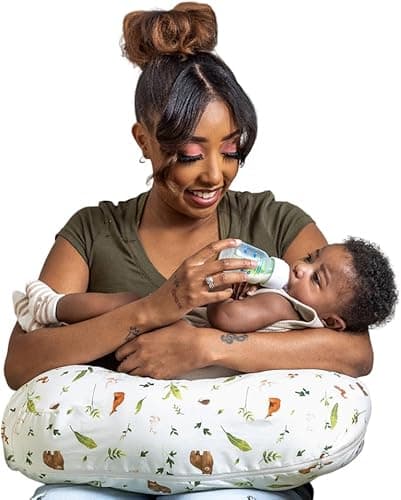
Boppy Nursing Pillow and Positioner - Original Support
This classic nursing pillow is the ultimate postpartum wingman, saving your back while your tiny human snacks. It’s a total multitasker too, effortlessly transitioning from feeding support to a propped-up lounge spot and tummy time station as your baby hits those early milestones.
Using a Boppy Nursing Pillow can provide ergonomic support for both breastfeeding and bottle-feeding parents, allowing for a more relaxed posture and facilitating closer interaction and eye contact during these precious bonding moments.
6. Transforming Routine Care into Connection
Everyday tasks, from diaper changes to baths, offer micro-moments for bonding. Rather than rushing through them, approach these routines as opportunities for connection.
Diaper Changes:
- Talk and Engage: Describe what you're doing, sing a silly song, or make eye contact.
- Gentle Touch: Use this time for gentle caresses and leg massages.
- Comfort and Cleanliness: Ensure your baby is comfortable and clean. Sensitive skin calls for gentle products.

WaterWipes Original Baby Wipes, 99.9% Water, Unscented & Hypoallergenic
Clean those precious rolls with zero drama using the world's purest baby wipes. Featuring just two ingredients, these plant-based wipes are basically a cheat code for avoiding diaper rash while staying eco-friendly. It’s the peace of mind you need for your little one’s sensitive skin, wrapped in a plastic-free package.
When changing diapers, especially for sensitive newborn skin, choosing the right products makes a difference. WaterWipes Original Baby Wipes are made with 99.9% water, making them incredibly gentle and effective, ensuring your baby stays comfortable and happy, turning a routine task into a moment of care.

Triple Paste Diaper Rash Cream for Baby - 16 Oz Tub – Zinc Oxide Ointment Treats, Soothes & Prevents Diaper Rash, Pediatrician-Recommended Hypoallergenic Formula, Baby Essentials for Daily & Overnight
Gentle yet effective baby skin care formula: The Triple Paste diaper cream formula leverages the healing properties of 12.8% non-nano zinc oxide and combines them with oat extract, beeswax and more to immediately soothe and treat irritated skin Gentle yet effective baby skin care formula: The Triple Paste diaper cream formula leverages the healing properties of 12.8% non-nano zinc oxide and combines them with oat extract, beeswax and more to immediately soothe and treat irritated skin Medicated diaper rash ointment: Triple Paste is the pediatrician-recommended zinc oxide cream with an all-in-one triple action formula that treats mild to severe rashes, immediately soothes baby’s bum and prevents future diaper rashes Triple Paste baby diaper cream, is celebrated by parents who simply want the best for their baby’s delicate skin; store in your baby's diaper bag for on-the-go ease with baby care products; packaging may vary Better for baby: The diaper ointment is free from fragrance, alcohol, talc, dyes, parabens, phthalates and preservatives; a baby diaper rash cream that is gentle enough for daily use and safe for even the most sensitive skin
For preventing or treating diaper rash, a good barrier cream is essential. Triple Paste Diaper Rash Cream provides robust protection, keeping your baby's skin healthy and comfortable, which contributes to a more positive and less fussy diaper changing experience.
7. Creating a Calming Sleep Environment and Responsive Sleep
While sleep is essential for a baby's development, how you approach it can also contribute to attachment. Responsive sleep parenting doesn't necessarily mean co-sleeping, but it does mean being attuned to your baby's sleep cues and needs.
Tips for Sleep & Bonding:
- Consistent Bedtime Routine: A predictable routine (bath, massage, story, lullaby) signals to your baby that sleep is coming, creating a sense of security.
- Comforting Sleepwear: Safe and comfortable sleepwear can provide a sense of security.
- Soothing Sounds: A sound machine can help mask household noises and create a consistent, calming sleep environment.

HALO SleepSack Wearable Blanket – 100% Cotton
The HALO SleepSack is the #1 pediatrician-recommended wearable blanket and is accepted by the American Academy of Pediatrics as safe sleep. It keeps babies warm and cozy throughout the night without any loose blanket risk.
For safe and comfortable sleep, the HALO SleepSack Cotton offers a wearable blanket solution, eliminating the need for loose blankets in the crib while providing a cozy, familiar feel that promotes better sleep, fostering a sense of security during rest.

Hatch Rest Baby Sound Machine + Night Light
The Hatch Rest is the gold standard of nursery tech — it's a white noise machine, night light, "okay-to-wake" clock, and lullaby player all in one, controlled quietly from your phone. No more tip-toeing in to adjust the volume at 3 AM.
Establishing a peaceful sleep routine is vital for both baby and parents. The Hatch Rest Sound Machine offers a customizable soundscapes, night light, and time-to-rise features that can help create an optimal sleep environment, promoting healthy sleep habits and allowing parents to focus on bonding during waking hours.
Expert Tip: Addressing Discomfort Responsively
Babies communicate discomfort through crying. While it's hard to hear, responding effectively to issues like gas or congestion builds immense trust. Using tools to alleviate these common infant woes shows your baby that you understand their distress and are actively working to help them feel better.
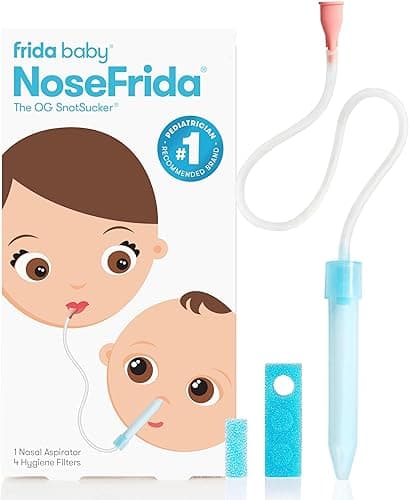
Frida Baby NoseFrida The Snotsucker Baby Nasal Aspirator
Look, we know sucking snot sounds like a horror movie plot, but the NoseFrida is the GOAT of nursery essentials. It’s weirdly satisfying, incredibly effective, and way more hygienic than those old-school bulbs that grow mold in secret.
When your baby is congested, it can make feeding and sleeping difficult. The NoseFrida The Snotsucker provides a hygienic and effective way to clear your baby's nasal passages, offering immediate relief and demonstrating your attentiveness to their comfort, strengthening the bond through responsive care.
Bonding for Dads and Non-Birthing Partners: An Essential Role
If you are a dad or a non-birthing partner, you might initially feel like a spectator, especially if the baby is exclusively breastfeeding. However, your role in building secure attachment is absolutely critical and deeply valued. Paternal bonding is just as important for a child's development.
Strategies for Dads/Partners to Bond:
- Take Ownership of Routines: Find a routine and make it yours. This could be bath time, the last feeding of the night, morning diaper changes, or rocking the baby to sleep. Consistency helps the baby anticipate and look forward to this special time with you.
- Skin-to-Skin: Just like birthing parents, skin-to-skin contact releases oxytocin and fosters a powerful bond for dads and partners. It's an incredible way to soothe a fussy baby and for you to feel connected.
- Voice Recognition: If you talked to the baby during pregnancy, they already know your voice. Continue to read, sing, and talk to them. Your unique vocal tones provide comfort and familiarity.
- The Support Anchor: By actively supporting the birthing parent – bringing them water, handling household chores, changing diapers, allowing them to rest – you are creating the safe, calm environment necessary for everyone to bond. Your support allows the primary caregiver to have the mental and physical space to connect with the baby.
- Play and Exploration: As your baby grows, engage in playful interactions. Dads often bring a different dynamic to play, which is beneficial for a child's development.
When Bonding Feels Hard: Understanding Postpartum Mood and Anxiety Disorders (PMADs)
It's crucial to acknowledge that for some parents, bonding doesn't come easily. If you find yourself looking at your baby and feeling numb, detached, overwhelmed by anxiety, or even resentment, please know that you are not alone, and you are not a monster. These feelings are common and often indicators of Postpartum Depression (PPD) or Postpartum Anxiety (PPA), collectively known as Postpartum Mood and Anxiety Disorders (PMADs).
PMADs affect 1 in 5 birthing parents and 1 in 10 non-birthing parents. They are biological illnesses, often triggered by hormonal shifts, sleep deprivation, and the immense demands of new parenthood, not a sign of personal failure or a lack of love. They can steal the joy of bonding and make it incredibly difficult to connect with your baby.
Signs of PMADs:
- Persistent sadness, hopelessness, or numbness.
- Overwhelming anxiety, dread, or panic attacks.
- Intrusive, scary thoughts about harm coming to the baby or yourself.
- Irritability, rage, or extreme mood swings.
- Inability to sleep even when the baby sleeps, or sleeping too much.
- Loss of interest in activities you once enjoyed.
- Feeling detached from your baby or loved ones.
Action to Take: If you recognize these signs in yourself or a loved one, seek help immediately. Tell your partner, a trusted friend, or your doctor today. PMADs are treatable with therapy, medication (many of which are safe while breastfeeding), and support groups. Treating a PMAD is not selfish; it is the single most important thing you can do for your baby's attachment, as it allows you to be present and responsive.
Expert Tip: Many hospitals and birth centers offer support groups or provide referrals to mental health professionals specializing in perinatal mood disorders. Organizations like Postpartum Support International (PSI) offer helplines and online resources. Reaching out is a sign of strength, not weakness.
Conclusion: A Lifetime of Connection, Built Day by Day
The journey of bonding with your baby is a marathon, not a sprint. It's built in the small, messy, tired, and utterly beautiful moments that define early parenthood: the 3 AM feedings, the endless diaper changes, the gentle rocking, the quiet cuddles. It’s about showing up, imperfectly but consistently, over and over again.
Every responsive gesture, every shared gaze, every comforting touch lays another brick in the foundation of your child's secure attachment. This isn't about being a perfect parent, but about being a present and attuned one. You are not just raising a child; you are building a safe home in their heart, equipping them with the emotional resilience and trust that will shape their relationships and well-being for a lifetime. Embrace the process, trust your instincts, and remember: you are doing great.