Why Steel Stinks Less: Ubbi Diaper Pail Review
The Unavoidable Truth: Navigating the World of Diapers and Odor
As expert pediatric specialists and parenting educators, we often share a universal truth with new parents: welcoming a baby into your home brings immeasurable joy, sleepless nights, and an astonishing amount of dirty diapers. From the moment your little one arrives, you'll embark on a journey filled with countless diaper changes, each one a testament to their growth and development. While the tiny toes and sweet coos are enchanting, the reality of diaper disposal can quickly become a less-than-pleasant aspect of daily life.
The seemingly innocuous soiled diaper, when left to its own devices, can transform a beautifully curated nursery into a source of pervasive, unwelcome odors. This isn't just a minor inconvenience; persistent odors can affect the ambiance of your home, and, more importantly, create an environment that feels less fresh and clean for both parents and baby. Our goal at GooGaia is to equip you with the knowledge and tools to manage this aspect of parenting with ease and effectiveness, ensuring your nursery remains a sanctuary of comfort and cleanliness.
Why a Superior Diaper Pail Isn't Just a Convenience – It's a Necessity
Choosing the right diaper pail might seem like a small decision in the grand scheme of baby preparations, but it's one that profoundly impacts your daily comfort and the overall freshness of your home. A sub-par diaper pail can quickly become notorious for "the poop cloud"—that unmistakable, pungent aroma that escapes every time the lid is opened, or worse, lingers perpetually in the nursery air.
Effective odor control is paramount for several reasons:
- Creating a Serene Nursery Environment: Your baby's nursery should be a peaceful haven for sleep, play, and bonding. Unpleasant odors disrupt this tranquility.
- Parental Well-being: Constantly battling smells adds unnecessary stress to already busy parents.
- Hygiene and Cleanliness Perception: A fresh-smelling home simply feels cleaner and more inviting.
- Long-Term Investment: Investing in a high-quality pail upfront can save you frustration and potential replacement costs down the line.
This is where the Ubbi Diaper Pail shines as a standout solution, addressing the core challenge of diaper odor with innovative design and materials.
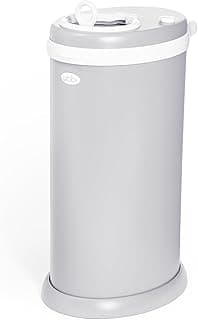
Ubbi Steel Diaper Pail
STAINLESS STEEL: The Ubbi Diaper Pail is made of stainless steel, which provides superior odor control. This stainless steel and rubber seal design ensures that unpleasant smells are contained within the pail, keeping your nursery smelling fresh and clean
Why Steel Stinks Less: The Ubbi Advantage Explained
The original article rightly points out that "diaper pails are notorious for smelling terrible after a few months." This common complaint often stems from the very material most traditional pails are made from: plastic. The Ubbi Diaper Pail, however, takes a different, superior approach by utilizing powder-coated steel with robust rubber seals. This isn't just a design choice; it's a scientific solution to a pervasive problem.
The Science Behind the Stink: Plastic vs. Steel
Plastic, while seemingly smooth, is a porous material at a microscopic level. Over time, these tiny pores can absorb odors, essentially "storing" the smell of soiled diapers within the plastic itself. This means that even after emptying and cleaning a plastic pail, a faint (or sometimes not so faint) residual odor can persist, building up over weeks and months. This phenomenon, known as olfactory memory or odor absorption, is why many parents find their plastic pails perpetually malodorous. The absorbed odors, combined with the ideal warm, moist environment inside a closed pail, create a breeding ground for odor-causing bacteria and volatile organic compounds (VOCs) that contribute to that distinctive "poop cloud."
Steel, on the other hand, is non-porous. Its smooth, dense surface does not absorb odors. The powder coating adds an extra layer of protection, making it even more resistant to staining and residual smells. This fundamental difference in material science is the primary reason why the Ubbi pail effectively locks in odors rather than becoming saturated by them. Think of it like a non-stick pan versus a wooden spoon – one absorbs flavors and smells, the other can be wiped clean.
The Power of the Seal: Containing the 'Poop Cloud'
Beyond the material, the Ubbi's robust rubber seals play a critical role. These seals create an airtight barrier when the pail is closed, effectively trapping odors inside and preventing them from escaping into the nursery. This is crucial because even with a non-porous interior, odors can still leak out through gaps in the lid. The Ubbi's design is meticulous, ensuring that once the lid slides shut, the seal engages tightly, making that "poop cloud" a thing of the past.
Expert Tip: While the Ubbi's steel construction significantly reduces odor retention, it's still important to occasionally wipe down the inside of the pail with a mild, non-toxic cleaner or a solution of baking soda and water. This ensures any surface residue is removed, maintaining optimal hygiene.
Why We Chose It: Beyond Odor Control – Savings and Sustainability
Our team at GooGaia firmly believes in recommending products that offer long-term value, both financially and practically. The Ubbi Diaper Pail excels in this regard, moving beyond its superior odor-locking capabilities to offer significant economic and environmental benefits.
The Cost-Saving Genius: Generic Bags Explained
One of the most compelling reasons to choose the Ubbi is its revolutionary flexibility: "the ability to use any standard trash bag saves a fortune in refills." Many popular diaper pail systems rely on proprietary refill bags or cartridges. While these might seem convenient initially, their specialized nature often comes with a hefty price tag. Parents can spend hundreds of dollars over a baby's diapering years just on these unique refills.
Let's break down the math:
- Proprietary Refills: Can cost anywhere from $0.20 to $0.50 per diaper, or $5-$10 per cartridge that might only last a week or two. Over two years of diapering (an average of 8-10 diapers/day), this can add up to well over $500, possibly even nearing $1000 for some systems.
- Standard Trash Bags: A box of 100-200 standard kitchen trash bags (13-gallon capacity, which the Ubbi easily accommodates) typically costs $10-$20. This translates to pennies per bag. Using a standard 13-gallon bag for the Ubbi, even if you change it every day, would cost you approximately $70-$140 per year.
This significant cost difference means the Ubbi "pays for itself in a year" or even less, compared to systems requiring expensive refills. It's an investment that offers immediate returns in your household budget.
Environmental Benefits: Reducing Waste
Beyond the financial savings, the ability to use standard bags also carries an environmental advantage. While some proprietary systems claim to use less plastic, the fact remains that generic bags are often more readily available in various eco-friendly options, such as those made from recycled content or even biodegradable materials. This gives parents more choices to align their diaper disposal with their sustainability values, reducing their ecological footprint.
Convenience and Flexibility
Imagine running out of specialized refill bags late at night. With other systems, this means a late-night run to a specific store, or worse, resorting to makeshift solutions that defeat the purpose of the pail. With the Ubbi, you simply grab a standard trash bag from your pantry – problem solved. This unparalleled convenience reduces stress and simplifies your routine, a small but significant detail when you're managing the unpredictable demands of newborn care.
Beyond the Basics: Ubbi's Smart Design Features
While odor control and cost savings are paramount, the Ubbi Diaper Pail also impresses with thoughtful design elements that enhance its functionality and aesthetic appeal in your nursery.
Slide Lid Mechanism: Child Safety and Ease of Use
The Ubbi features an innovative sliding lid mechanism, which is not only effective at sealing in odors but also surprisingly easy to use with one hand – a crucial feature when you're holding a squirming baby. This design also offers a degree of child safety. Unlike flip-top lids, the slide mechanism is harder for curious toddlers to open, keeping potentially hazardous contents out of reach.
Modern Aesthetics and Durability
Available in a wide array of colors, the Ubbi pail is designed to blend seamlessly into any nursery decor. Its sleek, minimalist steel construction looks more like a modern home accessory than a traditional diaper pail. This aesthetic appeal, combined with its robust steel build, ensures the pail is not just functional but also a durable and attractive addition to your baby's room for years to come.
Portability and Capacity
The Ubbi's design makes it easy to move between rooms if needed, and its generous capacity holds approximately 50-55 newborn diapers, meaning less frequent emptying.
Making Your Nursery an Odor-Free Haven: Practical Tips
Even with the best diaper pail, maintaining an odor-free nursery requires a holistic approach. Here are some parent-to-parent tips:
Strategizing Diaper Pail Placement
While the Ubbi effectively contains odors, avoid placing it directly next to your baby's crib. A good spot is typically near the changing table for convenience, or in a less central corner of the room. Good air circulation in the nursery is also key. Consider pairing your Ubbi with a device designed to improve the nursery atmosphere, like the **
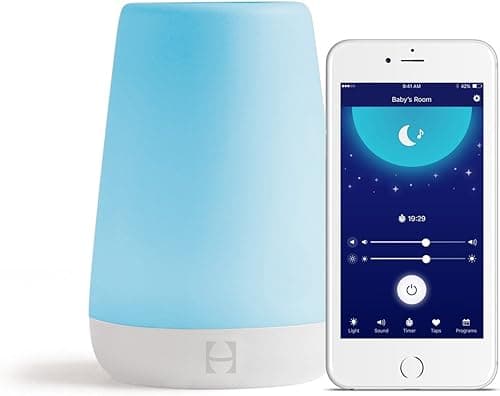
Hatch Rest Baby Sound Machine + Night Light
The Hatch Rest is the gold standard of nursery tech — it's a white noise machine, night light, "okay-to-wake" clock, and lullaby player all in one, controlled quietly from your phone. No more tip-toeing in to adjust the volume at 3 AM.
**. While primarily a sound machine and night light, a well-ventilated room with gentle white noise can contribute to a consistently fresh-feeling and calming environment for your baby.
How Often to Empty
Even a steel pail needs to be emptied regularly. For newborns, we recommend emptying the pail daily or every other day, especially when soiled diapers are predominantly involved. As babies get older and solid foods are introduced, the odor intensifies, making daily emptying even more important.
Deep Cleaning Your Pail
Though the Ubbi's steel construction resists odor absorption, occasional deep cleaning is beneficial.
- Empty the pail completely.
- Wipe down the interior and exterior with a diluted bleach solution (1 tablespoon bleach per gallon of water) or a vinegar-and-water solution. Pay special attention to the rubber seals.
- Let it air dry completely, preferably outdoors in the sun (UV light is a natural disinfectant), before reinserting a bag.
- For stubborn smells, sprinkle baking soda directly into the bottom of the pail (under the bag) to help absorb odors.
Combating Stronger Odors
For particularly potent diapers (e.g., after certain foods are introduced or during illness), consider wrapping the soiled diaper in a small plastic grocery bag before placing it in the Ubbi. This adds an extra layer of odor protection. Additionally, activated charcoal sachets placed near the pail (but out of baby's reach) can help neutralize airborne odors.
Expert Corner: Diapering Best Practices for Health and Comfort
Beyond managing odors, proper diapering techniques are fundamental to your baby's health and comfort. As pediatric specialists, we emphasize gentle care and attention to detail during every diaper change.
Gentle Cleansing: Protecting Delicate Skin
When it comes to cleaning your baby's delicate skin, choose wipes that are free from harsh chemicals, fragrances, and dyes. Products like **
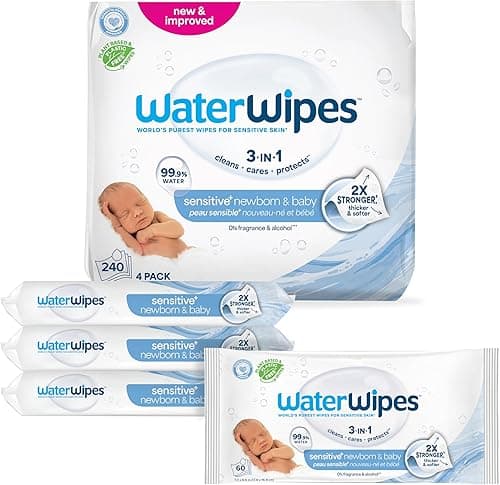
WaterWipes Original Baby Wipes, 99.9% Water, Unscented & Hypoallergenic
Clean those precious rolls with zero drama using the world's purest baby wipes. Featuring just two ingredients, these plant-based wipes are basically a cheat code for avoiding diaper rash while staying eco-friendly. It’s the peace of mind you need for your little one’s sensitive skin, wrapped in a plastic-free package.
** are an excellent choice, containing 99.9% water and a drop of fruit extract, making them suitable for even the most sensitive newborn skin. Always wipe from front to back to prevent the spread of bacteria, especially in girls.
Preventing and Treating Diaper Rash
Diaper rash is a common concern, but preventable with good practices.
- Frequent Changes: Change wet or soiled diapers promptly.
- Thorough Drying: Ensure your baby's bottom is completely dry before putting on a new diaper. Pat, don't rub.
- Barrier Cream: Apply a thick layer of barrier cream or ointment with zinc oxide or petroleum jelly at every diaper change, especially overnight. For persistent or severe rashes, products like **
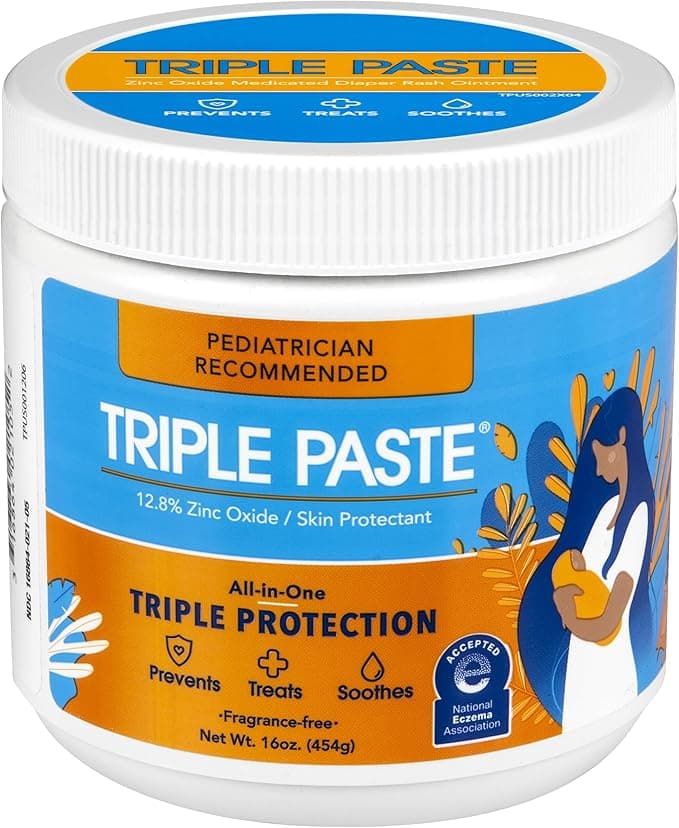
Triple Paste Diaper Rash Cream for Baby - 16 Oz Tub – Zinc Oxide Ointment Treats, Soothes & Prevents Diaper Rash, Pediatrician-Recommended Hypoallergenic Formula, Baby Essentials for Daily & Overnight
Gentle yet effective baby skin care formula: The Triple Paste diaper cream formula leverages the healing properties of 12.8% non-nano zinc oxide and combines them with oat extract, beeswax and more to immediately soothe and treat irritated skin Gentle yet effective baby skin care formula: The Triple Paste diaper cream formula leverages the healing properties of 12.8% non-nano zinc oxide and combines them with oat extract, beeswax and more to immediately soothe and treat irritated skin Medicated diaper rash ointment: Triple Paste is the pediatrician-recommended zinc oxide cream with an all-in-one triple action formula that treats mild to severe rashes, immediately soothes baby’s bum and prevents future diaper rashes Triple Paste baby diaper cream, is celebrated by parents who simply want the best for their baby’s delicate skin; store in your baby's diaper bag for on-the-go ease with baby care products; packaging may vary Better for baby: The diaper ointment is free from fragrance, alcohol, talc, dyes, parabens, phthalates and preservatives; a baby diaper rash cream that is gentle enough for daily use and safe for even the most sensitive skin
** are highly recommended by pediatricians for their effective, long-lasting protection and ability to soothe irritated skin.
When to Call the Doctor: While most diaper rashes respond well to home care, you should contact your pediatrician if:
- The rash doesn't improve after 2-3 days of consistent treatment.
- The rash is accompanied by fever.
- There are open sores, blisters, or pus.
- The rash appears bright red with satellite lesions (small spots outside the main rash area), which could indicate a yeast infection requiring prescription medication.
Observing Your Baby's Stool
Your baby's stool can be an indicator of their health. Familiarize yourself with normal variations in color, consistency, and frequency.
- Newborns: Often have meconium (dark, tarry), transitioning to yellow, seedy stools for breastfed babies, or pasty, tan stools for formula-fed babies.
- Unusual Odors: While some odor is normal, a sudden, unusually foul, or distinctively sweet smell could sometimes signal a digestive issue or infection.
- Changes in Consistency: Hard, pebble-like stools might indicate constipation; watery stools could be diarrhea.
If you notice significant, persistent changes in stool color, consistency, or frequency, or if your baby is experiencing discomfort, vomiting, or fever, always consult your pediatrician.
Creating a Comfortable Changing Station
A well-organized changing station makes diaper changes more efficient and comfortable for both you and your baby. Ensure all essentials – wipes, creams, fresh diapers, and a change of clothes – are within arm's reach. For parents, having a comfortable spot to sit or lean can also make a big difference, especially during frequent newborn changes. A nursing pillow, such as the **
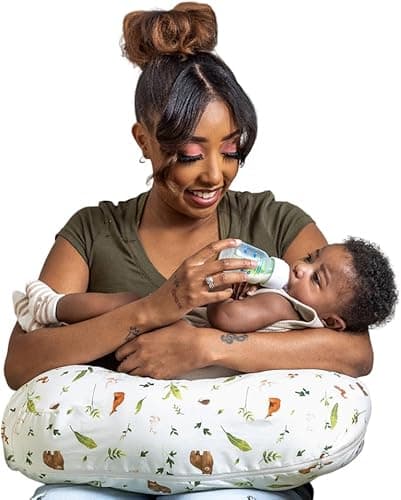
Boppy Nursing Pillow and Positioner - Original Support
This classic nursing pillow is the ultimate postpartum wingman, saving your back while your tiny human snacks. It’s a total multitasker too, effortlessly transitioning from feeding support to a propped-up lounge spot and tummy time station as your baby hits those early milestones.
**, can double as back support for parents during extended diapering sessions on the floor or a low surface, or provide arm support when feeding in the nursery.
Verdict: The Definitive Choice for an Odor-Free Nursery
In conclusion, the Ubbi Diaper Pail truly stands out as a definitive solution for managing diaper odors effectively and economically. Its unique powder-coated steel construction, combined with airtight rubber seals, offers an unparalleled barrier against "the poop cloud" that plagues plastic alternatives. This material superiority means the pail itself won't absorb and retain odors, providing long-term freshness in your nursery.
Beyond its primary function, the Ubbi's thoughtful design, including its child-safe slide lid and modern aesthetics, enhances its user experience. Most importantly, its ability to accommodate any standard trash bag delivers substantial financial savings over the years, making it an investment that quickly pays for itself. You save money by using regular trash bags instead of proprietary refills. It pays for itself in a year.
Choosing the Ubbi Diaper Pail is a choice for a cleaner, fresher home, a more serene nursery, and a more stress-free parenting journey. It's a testament to how intelligent design and material science can solve a common parenting challenge, allowing you to focus more on the joys of your little one, and less on lingering odors.