Are WaterWipes Worth the Extra Cost?
The Delicate Canvas: Understanding Your Baby's Skin
As a pediatric specialist and newborn care educator, one of the most frequent questions I encounter from new parents revolves around the best products for their baby's delicate skin. The sheer volume of choices can be overwhelming, and rightly so, as an infant’s skin is remarkably different from an adult’s and deserves the utmost consideration. Understanding these differences is the first step toward making informed decisions about everyday essentials like baby wipes.
The Developing Skin Barrier
Imagine your baby's skin as a brand-new, exquisitely fine silk fabric – incredibly soft, but also incredibly vulnerable. Unlike adult skin, which has a fully mature protective barrier, a newborn's skin barrier is still developing. This means it is:
- Thinner: Infant skin is up to 30% thinner than adult skin, making it more prone to irritation and damage.
- More Permeable: The immature skin barrier allows substances to penetrate more easily, meaning potential irritants or chemicals can be absorbed into the bloodstream more readily. This also leads to increased trans-epidermal water loss (TEWL), making their skin more susceptible to dryness.
- Less Acidic: A healthy skin barrier has a slightly acidic pH (around 5.5), which helps to inhibit the growth of harmful bacteria and fungi. A newborn's skin pH can be higher, making it less effective at fending off potential pathogens.
These physiological differences mean that products that might be perfectly fine for adults can be harsh and irritating for babies, particularly in sensitive areas like the diaper region, which is constantly exposed to moisture, friction, and waste.
Common Irritants and Their Impact
Many conventional baby wipes, while convenient and widely available, often contain a cocktail of ingredients that can compromise this delicate skin barrier. These commonly include:
- Fragrances: While pleasant for parents, synthetic fragrances are a leading cause of contact dermatitis and allergic reactions in infants. They serve no functional purpose for cleaning and only introduce unnecessary chemicals.
- Alcohol: Used for its quick-drying and antiseptic properties, alcohol can be incredibly drying and strip the skin of its natural protective oils, exacerbating dryness and irritation.
- Preservatives: Necessary to prevent microbial growth in moist products, many conventional preservatives like phenoxyethanol, parabens, phthalates, and methylisothiazolinone/methylchloroisothiazolinone (MI/MCI) have been linked to skin sensitization, allergic reactions, and even endocrine disruption in some studies.
- Other Chemicals: Dyes, phthalates, and harsh cleansing agents can further irritate, inflame, and disrupt the natural balance of your baby's skin.
The cumulative effect of exposure to these ingredients can manifest as redness, dryness, itching, and, most commonly, diaper rash, turning a simple diaper change into a source of discomfort for your little one.
WaterWipes: A Deep Dive into Purity
In a market saturated with complex ingredient lists, WaterWipes stand out for their profound simplicity. They are not just "simple"; they represent a deliberate choice to prioritize purity and minimize exposure to potential irritants, making them a cornerstone product for sensitive baby skin.
The Science of Simplicity: 99.9% Water
At the heart of WaterWipes' efficacy is their core ingredient: water. But not just any water. We're talking about purified water, constituting an astonishing 99.9% of the wipe. This isn't just a marketing claim; it's a fundamental principle of gentle skin care.
Water is the most natural solvent, capable of effectively cleaning without stripping the skin of its vital natural oils or leaving behind any irritating residues. For a baby's developing skin barrier, which is already prone to dryness and irritation, the absence of synthetic chemicals means:
- Reduced Irritation: There are virtually no foreign substances to react with the skin, drastically lowering the risk of contact dermatitis or allergic reactions.
- Preserved Skin Barrier Integrity: Unlike alcohol or harsh detergents that can disrupt the skin's natural pH and lipid barrier, pure water cleanses gently, allowing the skin to maintain its protective function.
- Optimal Hydration: The high water content in the wipes themselves provides moisture to the skin, helping to counteract dryness that can be a precursor to irritation and rash.
The "wetness" often noted by parents isn't just about feeling substantial; it's a testament to the fact that you're getting a thorough, gentle clean with every wipe, often requiring fewer wipes per change compared to drier, chemical-laden alternatives. This means less friction on sensitive skin.
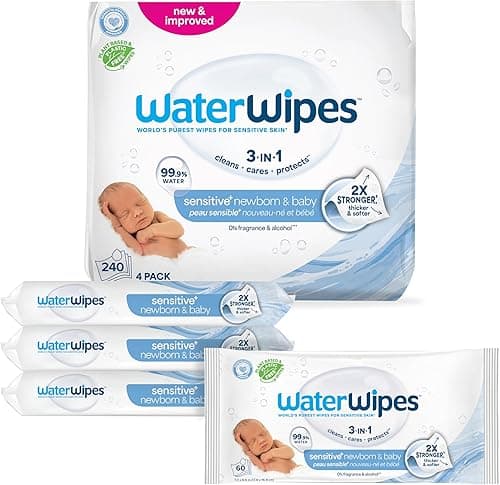
WaterWipes Original Baby Wipes, 99.9% Water, Unscented & Hypoallergenic
Clean those precious rolls with zero drama using the world's purest baby wipes. Featuring just two ingredients, these plant-based wipes are basically a cheat code for avoiding diaper rash while staying eco-friendly. It’s the peace of mind you need for your little one’s sensitive skin, wrapped in a plastic-free package.
The Role of a "Drop of Fruit Extract"
That remaining 0.1% in WaterWipes is a "drop of fruit extract." Historically, this has been grapefruit seed extract, though the exact extract may vary. This tiny addition serves a crucial purpose: it acts as a very mild, natural conditioning agent and preservative, helping to maintain the integrity of the product and balance its pH without introducing harsh chemicals.
This minimal, naturally derived ingredient is carefully selected to ensure it complements the water without introducing the common irritants found in other wipes. It’s a testament to a philosophy that less is truly more when it comes to infant skin care.
Beyond Ingredients: Texture and Effectiveness
While the ingredient list is paramount, the physical characteristics of WaterWipes also contribute significantly to their superior performance. They are notably:
- Thick and Robust: WaterWipes are designed to be strong and less likely to tear during use, making clean-ups more efficient.
- Heavily Saturated: Their high moisture content ensures that soiled areas are thoroughly cleaned with minimal rubbing, reducing the friction that can irritate delicate skin and worsen existing rashes. This efficiency often means you use fewer wipes per change, balancing out some of the initial cost.
The Imperative of Diaper Rash Prevention and Treatment
Diaper rash is almost an inevitable rite of passage for babies, with most experiencing it at some point. However, understanding its causes and implementing preventative measures, including the right choice of wipes, can significantly reduce its incidence and severity.
The Diaper Rash Conundrum
Diaper rash is a form of irritant contact dermatitis primarily caused by:
- Moisture: Prolonged contact with urine and feces creates a damp environment, weakening the skin barrier.
- Friction: Rubbing from diapers or harsh wipes can chafe the skin.
- Irritants: Enzymes in stool, ammonia from urine, and chemicals in wipes or diapers can directly irritate the skin.
- Infections: In some cases, yeast (Candida) or bacteria can thrive in the warm, moist environment, leading to more stubborn rashes.
The cycle often begins when the skin barrier is compromised, allowing irritants to penetrate, leading to inflammation and further breakdown of the barrier.
How WaterWipes Minimize Risk
Choosing WaterWipes is a proactive step in breaking this cycle of irritation. By eliminating common chemical irritants, they directly address a major cause of diaper rash. Their purity means:
- Reduced Inflammation: No harsh chemicals to trigger an inflammatory response.
- Protection of the Skin Barrier: Pure water cleanses without stripping natural oils or disrupting the skin’s delicate pH.
- Effective Cleaning: The wetness and thickness of WaterWipes ensure thorough cleaning with fewer strokes, minimizing friction.
When a Rash Strikes: Expert Care
Even with the purest wipes, a baby might occasionally develop a rash due to other factors like diet changes, illness, or teething. When this happens, a comprehensive approach is key:
- Frequent Diaper Changes: Change diapers immediately after they are wet or soiled to reduce moisture and irritant contact.
- Gentle Cleaning: Continue using WaterWipes for the gentlest clean, ensuring all waste is removed without scrubbing.
- Air Exposure: Allow your baby's bottom to air dry for several minutes after cleaning and before putting on a new diaper. This simple step is incredibly effective in reducing moisture.
- Barrier Cream: Apply a thick layer of a high-quality barrier cream. These creams create a protective layer between the skin and wetness/irritants.
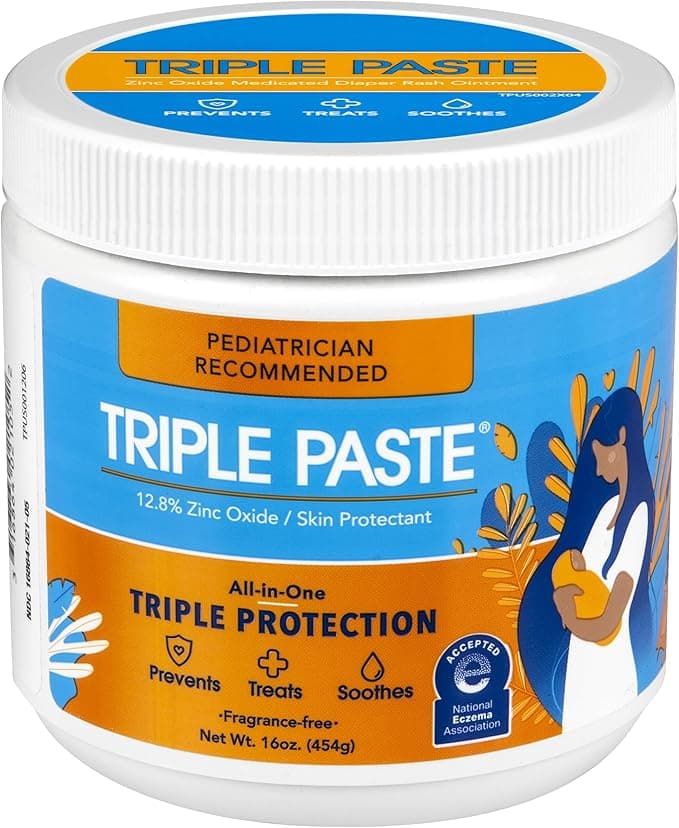
Triple Paste Diaper Rash Cream for Baby - 16 Oz Tub – Zinc Oxide Ointment Treats, Soothes & Prevents Diaper Rash, Pediatrician-Recommended Hypoallergenic Formula, Baby Essentials for Daily & Overnight
Gentle yet effective baby skin care formula: The Triple Paste diaper cream formula leverages the healing properties of 12.8% non-nano zinc oxide and combines them with oat extract, beeswax and more to immediately soothe and treat irritated skin Gentle yet effective baby skin care formula: The Triple Paste diaper cream formula leverages the healing properties of 12.8% non-nano zinc oxide and combines them with oat extract, beeswax and more to immediately soothe and treat irritated skin Medicated diaper rash ointment: Triple Paste is the pediatrician-recommended zinc oxide cream with an all-in-one triple action formula that treats mild to severe rashes, immediately soothes baby’s bum and prevents future diaper rashes Triple Paste baby diaper cream, is celebrated by parents who simply want the best for their baby’s delicate skin; store in your baby's diaper bag for on-the-go ease with baby care products; packaging may vary Better for baby: The diaper ointment is free from fragrance, alcohol, talc, dyes, parabens, phthalates and preservatives; a baby diaper rash cream that is gentle enough for daily use and safe for even the most sensitive skin
* **Expert Tip:** Always apply barrier cream to *clean, dry skin*. Applying it over a wet or irritated area can trap moisture and worsen the rash. Triple Paste Diaper Rash Cream, known for its thick, protective formulation and minimal ingredients, is an excellent choice for treating stubborn rashes.
Beyond the Diaper: Versatile Uses for Gentle Cleaning
While indispensable for diaper changes, the purity and gentleness of WaterWipes make them incredibly versatile for various other baby and even family needs. Their robust nature and gentle formulation mean you can confidently use them across your child's delicate skin, ensuring a clean and comfortable experience without the worry of harsh chemicals.
- Messy Faces and Sticky Fingers: From pureed vegetables to playground dirt, WaterWipes are perfect for quick clean-ups of little faces and hands, especially for babies prone to eczema or sensitive facial skin.
- Spit-Up and Drool: Babies are masters of mess. Keep a pack handy for wiping away spit-up from clothes, car seats, or even your own shoulder.
- Pacifier Drops: A dropped pacifier can be quickly wiped clean with a WaterWipe in a pinch, though a full wash is always ideal when possible.
- Quick Body Clean-ups: On warm days, after a little play, or just before bedtime, a gentle wipe-down can refresh your baby's skin without needing a full bath, especially for sensitive areas under the chin or in skin folds.
Holistic Newborn Care Considerations
Beyond direct skin contact, a baby's comfort and well-being are a holistic interplay of many factors. Ensuring their skin is healthy and free from irritation contributes significantly to their overall comfort, which in turn impacts their sleep, feeding, and general mood.
Creating a soothing and safe environment is crucial for newborns. This extends from the products you use on their skin to how you help them sleep. A baby who is comfortable and whose skin is not irritated is more likely to settle down for sleep. Using gentle products like WaterWipes, coupled with providing a safe sleep environment, helps ensure your baby's overall comfort and well-being. Consider products that support safe and comfortable sleep, such as a soft, breathable sleep sack.
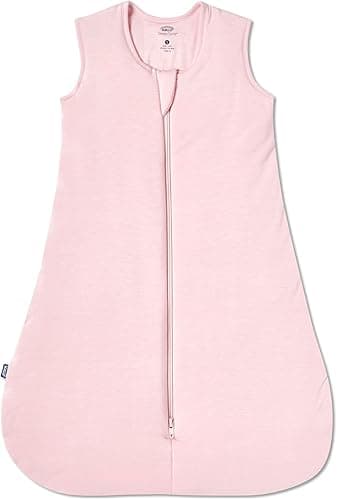
HALO SleepSack Wearable Blanket – 100% Cotton
The HALO SleepSack is the #1 pediatrician-recommended wearable blanket and is accepted by the American Academy of Pediatrics as safe sleep. It keeps babies warm and cozy throughout the night without any loose blanket risk.
Ensuring your baby is comfortable, well-fed, and has healthy skin goes a long way in promoting good sleep habits, and a HALO SleepSack Cotton provides a safe, cozy alternative to loose blankets.
The "Extra Cost" Question: A Comprehensive Cost-Benefit Analysis
It’s true, WaterWipes often carry a higher price tag per wipe compared to their conventional counterparts. For budget-conscious parents, this can be a significant hurdle. However, framing the decision purely on upfront cost per wipe overlooks the substantial long-term value and benefits that often outweigh the initial investment.
Initial Sticker Shock vs. Long-Term Value
Let's break down the economics:
- Fewer Wipes Per Change: Due to their superior wetness and robust texture, WaterWipes are highly effective at cleaning. Many parents report needing fewer wipes per diaper change, especially for larger messes. This means a pack might last longer than you anticipate.
- Reduced Need for Rash Treatments: Preventing diaper rash is far more cost-effective and comfortable than treating it. Severe diaper rash can lead to expensive barrier creams, medicated oint (like Triple Paste Diaper Rash Cream mentioned earlier), longer healing times, and even pediatrician visits or prescriptions for fungal or bacterial infections. By minimizing irritants from the start, WaterWipes can significantly reduce the incidence and severity of rashes, potentially saving you money and stress in the long run.
- Peace of Mind: For parents whose babies suffer from eczema, extreme sensitivity, or recurrent rashes, the peace of mind that comes with using the purest possible product is invaluable. Reducing discomfort for your child and worry for yourself isn't easily quantifiable but holds immense personal value.
- Quality of Life for Baby: A baby free from chronic skin irritation is generally happier, sleeps better, and is less fussy. This contributes to the overall well-being of the entire family.
Budgeting for Baby Essentials
While WaterWipes are an investment, smart shopping strategies can help mitigate the cost:
- Bulk Buying: Purchasing larger boxes or multi-packs often provides a lower per-wipe cost.
- Subscribe-and-Save Programs: Many online retailers offer discounts for regular subscriptions, ensuring you never run out and save money.
- Sales and Coupons: Keep an eye out for sales events and manufacturer coupons.
- Prioritize Where It Matters: Decide where you want to invest in premium products. For many, skin health is a top priority, making WaterWipes a justifiable expense.
Consider the entire diapering system. A good quality diaper pail can help manage the daily volume of diapers and maintain a fresh home environment, another aspect of investing in practical baby essentials.
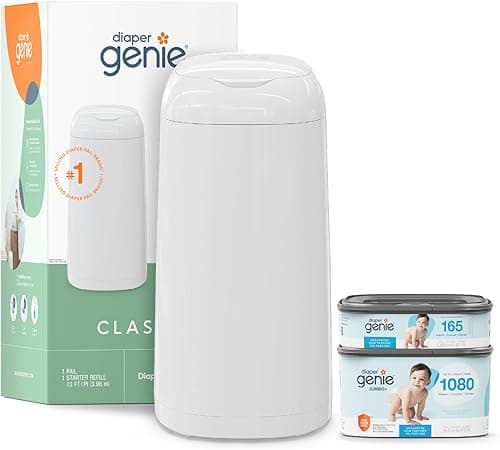
Diaper Genie Signature Pail - Odor Control System
Stop letting your nursery smell like a locker room; this pail uses double-tite clamps to literally lock the 'stink' away. The foot pedal is a total lifesaver for those 3 AM changes when you're essentially a zombie with only one free hand.
A reliable Diaper Genie Signature Pail helps manage odors effectively, contributing to a pleasant environment, especially when you're frequently changing diapers for a sensitive baby.
When to Consider Alternatives (and When Not To)
While this guide champions the benefits of WaterWipes, it’s important to acknowledge that every baby is unique, and family circumstances vary. Making an informed choice involves understanding when WaterWipes are truly essential and when other options might be considered.
For Babies Without Sensitivity
If your baby has never shown any signs of skin sensitivity, eczema, or diaper rash when using conventional wipes, then continuing with those may be perfectly acceptable for your family. There's no need to change a routine that's working well for your child. However, it's always wise to be aware of the ingredients in any product you use and to observe your baby's skin for any changes. Prevention is always better than cure, and switching to a purer wipe can be a proactive step even if there are no current issues.
Environmental Impact and Sustainability
The environmental footprint of disposable wipes, including WaterWipes, is a growing concern for many parents. While WaterWipes focus on pure ingredients, they are still a single-use product that contributes to landfill waste. Some companies are working on biodegradable options, but it's an evolving area.
- Expert Tip: If environmental impact is a primary concern, consider supplementing with reusable cloth wipes at home. You can simply wet them with water, and they provide an ultra-gentle, zero-waste option. WaterWipes can then be reserved for outings or times when convenience is paramount.
DIY Options and Cloth Wipes
For parents committed to an entirely chemical-free and eco-friendly approach, homemade cloth wipes are an excellent alternative. These typically involve:
- Soft cloth squares (flannel, terry cloth).
- A solution of water, sometimes with a drop of gentle baby soap or coconut oil.
While this option requires more effort (washing, preparing solutions), it offers complete control over ingredients and significantly reduces waste. However, the convenience and consistent quality of pre-moistened WaterWipes make them a compelling choice for many busy parents.
Making the Informed Choice for Your Family
Navigating the world of baby products can feel like a minefield. When it comes to something as fundamental as cleaning your baby's skin multiple times a day, the choice of wipe can have a profound impact on their comfort and skin health.
Trusting Your Parental Instincts (and Your Pediatrician)
Ultimately, you know your baby best. Observe their skin, note any reactions to products, and trust your gut. If you suspect a product is causing irritation, don't hesitate to switch to a simpler alternative. For persistent or severe skin issues, always consult your pediatrician. They can rule out underlying medical conditions and provide tailored advice.
A Proactive Approach to Skin Health
Choosing WaterWipes is more than just selecting a product; it's adopting a proactive philosophy towards your baby's skin health. From their very first day, you're establishing a foundation for healthy, resilient skin by minimizing exposure to potential irritants. This investment in purity contributes to your baby’s immediate comfort and long-term well-being.
When to Call the Doctor
While WaterWipes can significantly reduce the risk and severity of diaper rash, some conditions warrant professional medical attention. Consult your pediatrician if you observe any of the following:
- Persistent or Worsening Rash: If a diaper rash does not improve within a few days of consistent home treatment (frequent changes, air time, barrier cream) or if it appears to be getting worse.
- Signs of Infection: These include blistering, oozing, open sores, pus, yellow crusts, or bright red, shiny patches with satellite lesions (small red bumps around the main rash), which can indicate a yeast infection.
- Fever or Lethargy: If your baby develops a fever or seems unusually lethargic in conjunction with a severe rash.
- Rash Spreading Beyond the Diaper Area: This could indicate a more widespread skin condition or a systemic issue.
- Baby Appears to Be in Pain: If your baby is unusually fussy, crying during diaper changes, or seems to be in discomfort from the rash.
In conclusion, while the initial cost of WaterWipes may give parents pause, their unparalleled purity, effectiveness, and the profound benefits they offer to a baby's delicate skin often make them a truly invaluable investment. For minimizing irritation, preventing and managing diaper rash, and providing peace of mind, WaterWipes stand as a definitive choice in gentle infant care.