Why the Halo BassiNest is a C-Section Savior
The transition into parenthood is one of the most profound shifts a human can experience, but when that transition begins with major abdominal surgery, the challenge is multiplied. For those who have undergone a Cesarean section (C-section), the "fourth trimester" isn’t just about bonding and sleepless nights; it is a period of intense physical rehabilitation.
During a C-section, surgeons must navigate through several layers of tissue—skin, subcutaneous fat, fascia, and the abdominal muscles—before reaching the uterus. The recovery process involves the healing of these deep layers, making standard movements like sitting up, twisting, or lifting incredibly painful and, if done incorrectly, potentially damaging to the incision site. This is where the environment of the nursery or bedroom becomes a clinical factor in recovery. Among the tools available to new parents, the Halo BassiNest stands out not just as a piece of furniture, but as a critical recovery aid.
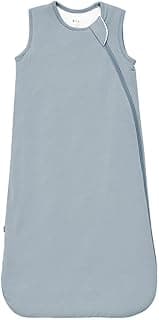
Kyte Baby Sleep Bag – Bamboo Wearable Blanket
Kyte Baby's sleep bag is made from buttery-soft OEKO-TEX certified bamboo rayon — it's temperature-regulating, hypoallergenic, and genuinely the softest sleep sack on the market. Parents who try it say they've never felt fabric this soft on a baby.
The Physiological Reality of C-Section Recovery
To understand why the Halo BassiNest is frequently cited as a "savior," one must understand the biomechanics of post-operative healing. In the first few weeks following a C-section, the core muscles (the rectus abdominis) are significantly weakened. These muscles are responsible for stabilizing the spine and allowing for the rotational movement of the torso.
When a parent reaches over a traditional, fixed-side bassinet to lift a seven-to-nine-pound infant, they are engaging in a "shear force" movement. This involves leaning forward while simultaneously lifting a weight away from the body’s center of gravity. For a post-surgical patient, this can strain the fascia and internal sutures. Clinical guidance suggests that C-section patients should avoid any heavy lifting or repetitive bending during the first six weeks. However, the demands of a newborn—who may need to be fed or soothed every two hours—make "rest" a relative term.
The Halo BassiNest addresses this physiological conflict by bringing the baby to the parent, rather than requiring the parent to move toward the baby.
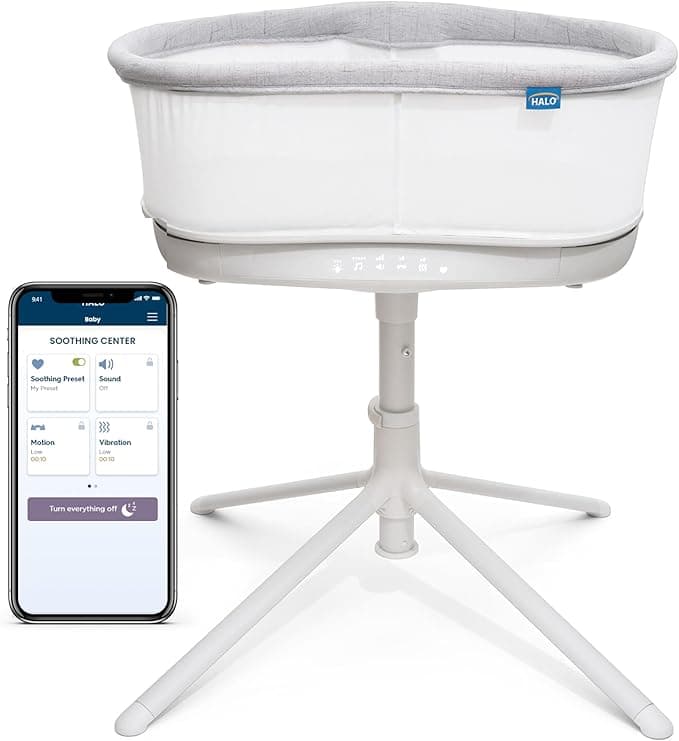
The 360-Degree Swivel: Minimizing Torso Rotation
The cornerstone of the BassiNest’s design is its 360-degree swivel mechanism. Unlike traditional bassinets that sit stationary next to the bed, the BassiNest is built on a heavy, stable base with an offset neck that allows the sleep surface to glide over the parent’s mattress.
Why This Matters for Healing
For a parent recovering from a C-section, getting out of bed is often the most painful task of the night. It usually requires a "log roll" technique to avoid using abdominal muscles. With the BassiNest’s swivel feature, the baby can be positioned directly above the parent's lap. This allows the parent to transition the baby from the bassinet to the breast or bottle without having to sit up fully, twist their torso, or stand up. By minimizing the "twist and reach," the BassiNest protects the integrity of the surgical incision and reduces the risk of incisional hernias or dehiscence (the opening of the wound).
The Retractable Wall: An Ergonomic Breakthrough
Beyond the swivel, the BassiNest features a patented lowering bedside wall. While many "co-sleeper" style bassinets require you to zip down a side or have a fixed high rail, the Halo’s side bar is spring-loaded. When you press your forearms down on the edge, the wall gives way, allowing you to slide your arms under the baby.
Expert Tip: The "Leverage" Effect
When lifting a baby from a standard bassinet, you typically have to lift "up and over" a rigid rail. This requires shoulder and core strength. The retractable wall allows for a "slide and glide" motion. As a pediatric specialist, I recommend this because it keeps the baby’s weight close to the parent’s body, utilizing the biceps rather than the strained abdominal wall. Once the pressure is released, the wall automatically returns to its upright, locked position, ensuring the baby remains in a safe, enclosed environment.
Scientific Context: Proximity and Neonatal Development
The benefits of the Halo BassiNest extend beyond the parent's physical recovery; they play a significant role in the baby's early development and the establishment of a healthy circadian rhythm.
The Importance of the "Fourth Trimester"
Infants are born in a state of neurological immaturity. The proximity provided by the BassiNest allows for "proximal parenting," where the infant can hear the parent’s breathing and smell their scent. This sensory input helps regulate the infant’s heart rate and cortisol levels.
Furthermore, for C-section mothers who often face a slight delay in milk "coming in" due to the physiological stress of surgery, the ease of access provided by this bassinet can be the difference-maker in breastfeeding success. The more effortlessly a mother can reach her child for "on-demand" feedings, the more frequently the breast is stimulated, which signals the body to increase prolactin and oxytocin production.
Safety Standards and SIDS Prevention
When discussing infant sleep, safety is paramount. The American Academy of Pediatrics (AAP) recommends that infants sleep in the same room as their parents—but on a separate surface—for at least the first six months to reduce the risk of Sudden Infant Death Syndrome (SIDS).
The Halo BassiNest is designed with these evidence-based guidelines in mind:
- Breathable Mesh Walls: The sides are constructed from a fine, transparent mesh. This ensures maximum airflow, preventing CO2 rebreathing, and allows the parent to see the baby at eye level without lifting their head off the pillow.
- Firm Sleep Surface: The included mattress is firm and flat, meeting all federal safety standards for infant sleep.
- Stability: The four-point base is heavy and engineered to be tip-proof, providing a level of security that lighter, portable bassinets may lack.
Practical "Parent-to-Parent" Tips for the First Weeks
Recovering from a C-section while caring for a newborn is an athletic feat. Here are a few practical ways to optimize your use of the Halo BassiNest:
- The Bed Height Alignment: Before you come home from the hospital, have your partner or a friend adjust the BassiNest’s height to your bed. The base should be tucked under the bed, and the sleep surface should be level with or slightly above your mattress.
- The "Station" Setup: Because you want to minimize walking, use the side pockets of the BassiNest to store essentials: extra burp cloths, a spare pacifier, and perhaps a small bottle of water for yourself.
- Night Light Utilization: Many BassiNest models come with a built-in soft amber nightlight. Use this instead of overhead lights. Amber light does not suppress melatonin production, helping both you and the baby return to sleep faster after a feeding.
- The "Slow Glide": When you need to get out of bed to use the restroom, swivel the bassinet away from you slowly. This creates a clear path so you don't have to shimmy to the end of the bed, which can be incredibly painful for your incision.
When to Call the Doctor: Postpartum Red Flags
While the right gear can make recovery easier, it is vital to monitor your healing closely. Contact your healthcare provider immediately if you experience any of the following:
- Incision Issues: Redness, swelling, or foul-smelling discharge at the C-section site.
- Fever: A temperature over 100.4°F (38°C).
- Excessive Pain: Pain that is getting worse rather than better, or pain that is not managed by prescribed medication.
- Shortness of Breath: This can be a sign of a pulmonary embolism, a rare but serious complication.
- Mental Health: Feeling "baby blues" is common, but if you feel a sense of hopelessness, inability to bond, or thoughts of self-harm, reach out for professional support immediately.
Addressing the Trade-offs: Weight and Longevity
No product is perfect, and from a clinical and practical standpoint, there are two main considerations with the Halo BassiNest: its weight and its lifespan.
The BassiNest is intentionally heavy to ensure it does not tip over when swiveled over a bed. This means it is not a "portable" bassinet that you will want to move from room to room. It is best to choose a permanent spot for it. Additionally, the BassiNest is designed for the first 3 to 5 months of life. Once your baby shows signs of rolling over or pushing up on their hands and knees—usually around the 20-pound mark or the 4-month milestone—it is time to transition them to a full-sized crib.
While the window of use is relatively short, the value is concentrated in the most vulnerable period of recovery. Those first 12 weeks are when your body is doing the heaviest lifting of healing, and the ergonomic support provided during this time is invaluable.
Verdict: An Essential Recovery Tool
The Halo BassiNest is more than a luxury; for the C-section parent, it is a piece of assistive technology. By centering the design around the movement of the parent as much as the comfort of the child, Halo has created a product that honors the reality of post-surgical recovery.
In the landscape of "must-have" baby gear, many items are optional. However, when you consider the cost of physical therapy or the long-term impact of a poorly healed core, investing in a sleep solution that prioritizes ergonomic safety becomes a clear choice. For the first four months, the BassiNest provides the physical "bridge" that allows a recovering parent to provide the best care for their newborn without sacrificing their own health.