Why the Hatch Rest is the Only Sound Machine You Need
In the journey of early parenthood, sleep is often the most discussed, most sought-after, and most elusive commodity. New parents quickly learn that a child’s sleep quality dictates the entire household’s well-being. From a pediatric perspective, sleep is not merely a "break" for the brain; it is a critical physiological process where neural pathways are forged, growth hormones are secreted, and the day’s learning is consolidated.
When we look at the nursery environment, we aim to create a "sensory bridge" between the loud, rhythmic environment of the womb and the external world. This is where a high-quality sound machine becomes an essential tool rather than a luxury. While the market is flooded with various noise-makers, our clinical and practical experience consistently points toward one device as the gold standard: the Hatch Rest.
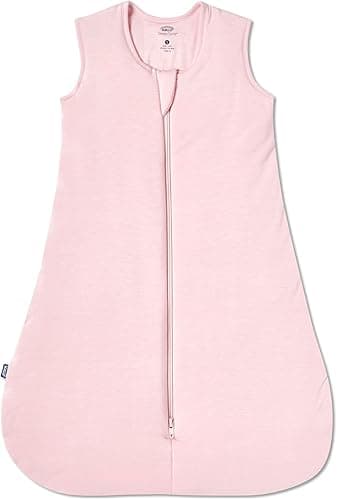
HALO SleepSack Wearable Blanket – 100% Cotton
The HALO SleepSack is the #1 pediatrician-recommended wearable blanket and is accepted by the American Academy of Pediatrics as safe sleep. It keeps babies warm and cozy throughout the night without any loose blanket risk.
The Science of Sound: Why Infants Need White Noise
To understand why the Hatch Rest is so effective, we must first understand the biology of infant sleep. In the womb, a fetus is exposed to a constant symphony of sound—the rush of maternal blood, the rhythmic beating of the heart, and the muffled tones of the outside world. This environment is surprisingly loud, often measured at 80 to 90 decibels.
When a baby is born, the sudden silence of a nursery can be jarring. This is known as the "sensory void." White noise serves two primary developmental functions:
- Acoustic Masking: Newborns have shorter sleep cycles than adults (typically 45–50 minutes). As they transition between active and quiet sleep, they are highly susceptible to "environmental spikes"—a barking dog, a slamming door, or a sibling’s laughter. White noise raises the ambient floor of sound, making these spikes less likely to trigger the Moro reflex (the startle reflex) and wake the baby.
- Neurological Association: Over time, the specific frequency of white noise becomes a powerful sleep cue. Through a process of classical conditioning, the brain begins to associate that specific sound with the production of melatonin and the onset of sleep.
More Than Just White Noise: A Multimodal Sleep System
The Hatch Rest differentiates itself by addressing the three pillars of a healthy sleep environment: sound, light, and consistency. It is a 3-in-1 device that combines a high-fidelity sound machine, a customizable night light, and a behavioral "time-to-rise" indicator.
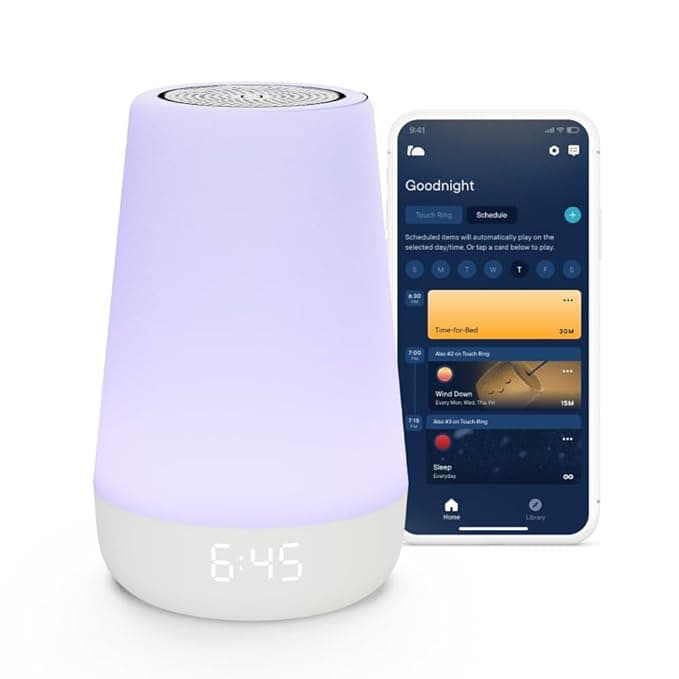
Hatch Rest 2nd Gen Baby Sound Machine
𝗧𝗵𝗲 𝗯𝗮𝗯𝘆 𝗿𝗲𝗴𝗶𝘀𝘁𝗿𝘆 𝗲𝘀𝘀𝗲𝗻𝘁𝗶𝗮𝗹: 𝖱𝖾𝗌𝗍 𝗂𝗌 𝗍𝗁𝖾 𝖺𝗅𝗅-𝗂𝗇-𝗈𝗇𝖾 𝗌𝗅𝖾𝖾𝗉 𝖽𝖾𝗏𝗂𝖼𝖾 𝗍𝗁𝖺𝗍 𝗍𝖾𝖺𝖼𝗁𝖾𝗌 𝗁𝖾𝖺𝗅𝗍𝗁𝗒 𝗌𝗅𝖾𝖾𝗉 𝗁𝖺𝖻𝗂𝗍𝗌 𝖺𝗇𝖽 𝖽𝖾𝗏𝖾𝗅𝗈𝗉𝗌 𝗂𝗇𝖽𝖾𝗉𝖾𝗇𝖽𝖾𝗇𝗍 𝗌𝗅𝖾𝖾𝗉 𝖺𝗍 𝖾𝗏𝖾𝗋𝗒 𝖺𝗀𝖾 𝖺𝗇𝖽 𝗌𝗍𝖺𝗀𝖾. 𝖥𝗋𝗈𝗆 𝗅𝗂𝗀𝗁𝗍 𝖺𝗇𝖽 𝗌𝗈𝗎𝗇𝖽 𝗉𝖺𝗂𝗋𝗂𝗇𝗀𝗌 𝗍𝗁𝖺𝗍 𝖻𝗎𝗂𝗅𝖽 𝗒𝗈𝗎𝗋 𝖻𝖺𝖻𝗒’𝗌 𝖿𝗂𝗋𝗌𝗍 𝗌𝗅𝖾𝖾𝗉 𝗋𝗈𝗎𝗍𝗂𝗇𝖾, 𝗍𝗈 𝗆𝗎𝗌𝗂𝖼 𝖺𝗇𝖽 𝗌𝗍𝗈𝗋𝗂𝖾𝗌 𝗍𝗁𝖺𝗍 𝗁𝖾𝗅𝗉 𝖻𝗂𝗀 𝗄𝗂𝖽𝗌 𝗐𝗂𝗇𝖽 𝖽𝗈𝗐𝗇 𝖺𝗍 𝗇𝗂𝗀𝗁𝗍, 𝖱𝖾𝗌𝗍 𝗁𝖾𝗅𝗉𝗌 𝗍𝗁𝖾 𝗐𝗁𝗈𝗅𝖾 𝖿𝖺𝗆𝗂𝗅𝗒 𝗌𝗅𝖾𝖾𝗉 𝖾𝖺𝗌𝗂𝖾𝗋.
The importance of using high-quality products in your nursery cannot be overstated. Cheap sound machines often have "looping" tracks—short recordings where a distinct "click" or change in frequency is audible every few seconds. An infant’s brain is remarkably sensitive to patterns; these loops can actually prevent a child from entering deep, restorative REM sleep. The Hatch Rest provides seamless, high-quality audio that mimics natural frequencies without the disruptive loops found in lower-end models.
Feature Deep Dive: Why the Hatch Rest Stands Out
1. Precision App Control and Connectivity
The ability to control the Hatch Rest via a smartphone is perhaps its most praised feature among modern parents. From a pediatric standpoint, this is more than just a convenience; it is a tool for maintaining sleep hygiene.
If you notice through your baby monitor that your infant is stirring during a sleep cycle transition, you can subtly increase the volume or change the light hue from your own bed. This prevents "unnecessary intervention." Every time a parent enters the nursery, they risk fully waking the child through scent, movement, or light. App control allows you to soothe your child remotely, fostering independent sleep skills.
2. The Developmental "Grow-With-Me" Architecture
Most baby products have a shelf life of six months to a year. The Hatch Rest is designed for a developmental span of five to seven years.
- The Newborn Phase (0-4 Months): Focus on the "Womb" and "White Noise" settings. These low-frequency sounds are most effective at mimicking the intrauterine environment.
- The Toddler Phase (18 Months - 3 Years): This is where the "Time-to-Rise" feature becomes a life-saver. By using color-coded signals (e.g., Red means "stay in bed," Green means "okay to come out"), you are utilizing visual cues to help a toddler whose internal clock isn't yet fully synchronized with the sun.
- The Preschool Years: The device becomes a bedside lamp and a comfort object, helping children manage common fears of the dark while maintaining a consistent auditory background.
3. Circadian-Safe Lighting
As pediatric specialists, we emphasize the "Science of Light." Not all light is created equal. Exposure to blue light (the kind emitted by many standard LED bulbs and screens) inhibits the production of melatonin, the hormone responsible for sleep.
The Hatch Rest offers a full spectrum of colors, but crucially allows parents to select soft ambers, oranges, and reds. These "warm" wavelengths do not disrupt the circadian rhythm. This makes the Hatch an ideal tool for middle-of-the-night diaper changes or feedings; you can see what you are doing without "resetting" your baby’s internal clock to "daytime mode."
Practical Parent-to-Parent Tips for Success
To get the most out of your Hatch Rest, consider these "boots on the ground" strategies:
- The "Volume Sweet Spot": The American Academy of Pediatrics (AAP) recommends that sound machines be placed at least 7 feet (2 meters) away from the baby’s crib and that the volume should not exceed 50 decibels (roughly the sound of a soft shower). Use a free decibel meter app on your phone to calibrate the Hatch when you first set it up.
- Create a "Coming Home" Routine: Program a specific "Bedtime Scene" in the Hatch app. Perhaps at 6:45 PM, the light turns a soft purple and the "Rain" sound starts at a low volume. This serves as a transition signal, telling the child’s nervous system that the day is ending.
- The "Power of the Touch Ring": While the app is great, the physical silver ring on the top of the device allows for quick, one-touch control. You can program your favorite "scenes" so that a simple tap toggles through them—essential when you are carrying a sleeping toddler and can't reach for your phone.
Expert Tip: When Sleep Issues Require More Than Sound
While the Hatch Rest is a powerful tool, it is important to recognize when sleep challenges are physiological rather than environmental.
When to call your pediatrician:
- Snoring or Labored Breathing: If your child snores loudly, gasps for air, or seems to struggle to breathe while sleeping, this could indicate obstructive sleep apnea or enlarged tonsils/adenoids.
- Extreme Night Terrors: While common in toddlers, frequent and violent night terrors that leave a child inconsolable for long periods should be discussed with a professional.
- Total Sleep Refusal: If a child is consistently unable to fall asleep despite a perfect environment and routine, there may be underlying issues such as silent reflux or iron deficiencies.
A sound machine is a foundational element of a "sleep sanctuary," but it works best in conjunction with a healthy routine and medical oversight.
The Long-Term Value: A "Buy Once, Cry Once" Investment
In the world of baby gear, there is a concept known as "buy once, cry once." It refers to the idea that it is better to invest in one high-quality, durable, multi-functional item than to buy three cheaper versions that break or are outgrown quickly.
The Hatch Rest replaces:
- A dedicated white noise machine.
- A dimmable nursery night light.
- An "ok-to-wake" toddler clock.
When you calculate the cost of these three items separately, the Hatch Rest often emerges as the more economical choice. Furthermore, its durability is legendary in parenting circles. It is built to withstand the humidity of a nursery and the accidental tumbles that come with toddlerhood.
Environmental Consistency and Travel
One of the hidden benefits of the Hatch Rest (and its smaller sibling, the Hatch Rest+) is the gift of consistency. When children travel or move to a new home, the environment can feel threatening. By bringing the Hatch with you, you bring a familiar sensory "footprint." The exact frequency of the "White Noise" and the exact hue of the "Night Light" tell the child’s brain: "I am safe. I am in my bed. I can sleep." This consistency is the secret weapon against vacation-induced sleep regressions.
The Verdict
In our expert opinion, the Hatch Rest is not just a gadget; it is a developmental aid. It respects the biological needs of the infant while providing the logistical support that modern parents require. By combining evidence-based lighting, high-fidelity sound, and a design that ages alongside your child, it earns its place as the only sound machine you truly need.
If you are looking to build a nursery that prioritizes neuro-developmental rest and parental sanity, the Hatch Rest should be at the top of your list. Sleep may be the holy grail of parenting, but with the right tools, it is a goal that is well within reach.