Creating the Perfect Sleep Environment: The Science of Sleep Hygiene
Navigating the world of infant sleep can often feel like solving a complex puzzle. You’ve meticulously crafted a soothing bedtime routine, mastered the art of the perfect swaddle, and diligently tracked feeding schedules. Yet, despite your best efforts, your little one still struggles to settle, or wakes frequently throughout the night. The missing piece of this puzzle, more often than not, lies in the fundamental principles of sleep hygiene – the environmental factors that profoundly impact your baby's ability to fall asleep, stay asleep, and achieve truly restorative rest.
Sleep hygiene isn't just a concept for adults; it's a critical foundation for healthy development from day one. The sleep environment you create for your baby acts as a powerful signal to their developing brain. It influences the natural ebb and flow of melatonin, the crucial sleep hormone, and safeguards against environmental stimuli that can disrupt delicate sleep cycles. At GooGaia, we believe in empowering parents with evidence-based strategies, and optimizing the nursery environment is one of the most impactful steps you can take to foster robust sleep habits.
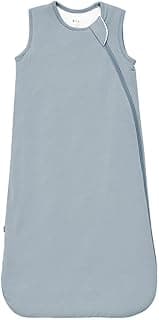
Kyte Baby Sleep Bag – Bamboo Wearable Blanket
Kyte Baby's sleep bag is made from buttery-soft OEKO-TEX certified bamboo rayon — it's temperature-regulating, hypoallergenic, and genuinely the softest sleep sack on the market. Parents who try it say they've never felt fabric this soft on a baby.
We are going to embark on a comprehensive audit of your nursery, meticulously examining each element to transform it into a true sleep sanctuary, grounded in scientific understanding and practical wisdom.
1. Darkness: The Gateway to Melatonin Production
Light is, unequivocally, the most potent signal to the human brain that it's time to be awake. For infants, whose circadian rhythms are still maturing, exposure to light, especially at night, can profoundly disrupt the production of melatonin, the neurohormone responsible for regulating sleep-wake cycles. A truly dark sleep space is not just about avoiding distractions; it's about optimizing your baby's biological predisposition for sleep. Adequate darkness promotes deeper, longer stretches of sleep, which are vital for cognitive development, memory consolidation, and overall physical growth.
The Darkness Test: A Simple Evaluation
To truly assess your nursery’s darkness level, step into the room at high noon on a sunny day. Close all blinds and curtains, then turn off any artificial lights. Hold your hand directly in front of your face. If you can clearly discern the details of your hand, the room is too bright. Even a sliver of light filtering through can be enough to signal the brain to stay alert.
Achieving Optimal Darkness: Practical Solutions
- High-Quality Blackout Curtains: This is your primary defense against unwanted light. Invest in curtains that are specifically designed for blackout capabilities, often featuring multiple layers or a dense, opaque backing. Look for options that extend beyond the window frame to prevent light leakage from the sides. When choosing products for your baby's room, prioritize high-quality, durable materials that are also safe and free from harmful chemicals. Investing in well-made blackout curtains, for instance, ensures both effectiveness and longevity.
- Opaque Window Film: For windows with challenging shapes, skylights, or even temporary solutions in rental properties, opaque blackout window film applied directly to the glass can be a game-changer. It provides a complete light block and can be trimmed to fit any size.
- Portable Blackout Shades: For travel or exceptionally stubborn windows, suction-cup blackout shades (like Sleepout or similar brands) offer 100% darkness. These are fantastic for consistency when away from home, ensuring your baby's sleep environment remains constant.
- Parent-to-Parent Tip: Don't fear the dark for your baby. Infants don't develop a fear of the dark until much later in toddlerhood. For babies, darkness is a biological signal for sleep and comfort. Consistent darkness for naps and nighttime helps solidify this association.
The Science of Night Lights: Red Light is Right
If you require light for nighttime feedings, diaper changes, or comforting, the type of light you use is paramount.
- Red Light Only: Research indicates that red light, due to its longer wavelength, is the least disruptive to melatonin production. It provides just enough illumination for necessary tasks without signaling the brain to awaken fully.
- Avoid Blue and White Light: Even dim blue or white light (from phone screens, monitors, or traditional night lights) can significantly suppress melatonin. Keep all blue-light emitting devices out of the nursery and avoid checking your phone during night wakings.
- Expert Tip: Use red light only when absolutely necessary and for the shortest duration possible. The goal is to minimize any light exposure during designated sleep times to optimize your baby's internal clock and consolidate sleep.
2. White Noise: The Soothing Embrace of Sound
The womb is far from silent. It's a remarkably noisy environment, filled with the rhythmic whoosh of maternal blood flow, muffled digestive sounds, and your own heartbeat, often reaching decibel levels comparable to a running vacuum cleaner (around 80-90 dB). A sudden transition to a completely silent room can be startling and unfamiliar for a newborn, leading to frequent awakenings due to their inherent startle reflex or external household noises. White noise provides a comforting, consistent auditory backdrop that helps bridge this gap.
Why White Noise is a Sleep Aid Powerhouse
- Mimics the Womb Environment: The continuous, low-frequency hum of white noise provides a sense of security and familiarity, helping babies transition from the noisy womb to the outside world. This auditory comfort can significantly reduce crying and promote faster settling.
- Masks External Disturbances: White noise creates a blanket of sound that effectively masks sudden, unpredictable noises from within or outside the home – a barking dog, a creaking floorboard, a sibling's laughter, or even parents watching TV in another room. This consistent sound environment prevents minor disruptions from fully waking your baby.
- Promotes Sleep Consolidation: By providing a stable auditory environment, white noise helps babies link sleep cycles more effectively, leading to longer, more uninterrupted stretches of sleep.
The Rules of Engagement for White Noise
- Continuous Play is Key: Do not use a timer. The sound machine should run continuously throughout the entire nap or night. A sudden cessation of white noise can be just as jarring and disruptive as an external noise, startling your baby awake when they transition between sleep cycles.
- Sound Profile Matters:
- Pink Noise or Brown Noise: These are generally preferred for infant sleep. Pink noise (like heavy rainfall or rustling leaves) has a deeper frequency, similar to white noise but with more energy at lower frequencies, making it sound "softer" or "less harsh." Brown noise (like a deep rumble or strong waterfall) is even deeper. These sound profiles are less stimulating than pure white noise.
- Avoid High-Pitched Sounds: Steer clear of sounds like birds chirping, ocean waves that crash and recede, or lullabies with varied melodies. These can be stimulating rather than soothing and may interfere with deep sleep.
- Volume Control for Safety: This is critical. The American Academy of Pediatrics (AAP) recommends that sound machines be placed at least 7 feet away from the crib and operated at a volume no higher than 50-60 decibels (dB), which is roughly equivalent to a quiet conversation or a gentle shower. Never place the machine inside the crib or directly next to your baby's head.
- Expert Tip: Download a decibel meter app on your smartphone to periodically check the volume at the crib level. Ensure it remains within the safe range to protect your baby's developing hearing. High-quality sound machines often come with continuous play functions and a wide range of sound profiles, allowing you to find the perfect, safe balance for your little one.
- Parent-to-Parent Tip: Start using white noise from day one. It becomes a powerful positive sleep association. Don't worry about dependency; think of it as a helpful tool, much like a dark room, that aids in creating an optimal sleep environment. As your child grows, you can gradually reduce the volume over time.
3. Temperature: The Goldilocks Zone for Sleep
An infant's ability to regulate their body temperature is still developing, making them more susceptible to both overheating and getting too cold. Overheating is a recognized risk factor for Sudden Infant Death Syndrome (SIDS), making optimal room temperature a critical element of safe sleep hygiene. Our bodies naturally cool down to initiate and maintain sleep, and babies are no exception. A comfortably cool room promotes deeper, more restful sleep.
The Sweet Spot for Sleep
The ideal temperature range for a baby's sleep environment is generally between 68°F and 72°F (20°C - 22°C). This range ensures comfort without the risk of overheating or becoming too chilly.
Dressing for Sleep: Understanding TOG Ratings
Dressing your baby appropriately for sleep involves layering and understanding the "TOG" (Thermal Overall Grade) rating of their sleep sack or pajamas. A higher TOG rating indicates greater warmth.
- Warm Weather (75°F+ / 24°C+): A simple diaper or a light cotton onesie paired with a very lightweight sleep sack (0.5 TOG) is usually sufficient.
- Normal Room Temperature (70°F / 21°C): A long-sleeve cotton onesie or lightweight footie pajamas with a standard cotton sleep sack (1.0 TOG) often works well.
- Cooler Weather (65°F / 18°C): Consider warmer footie pajamas or a long-sleeve onesie layered with a fleece or wool sleep sack (2.5 TOG). For very cold rooms, a 3.5 TOG sack might be appropriate, but always monitor for signs of overheating.
- Parent-to-Parent Tip: Always use a sleep sack (or a swaddle for newborns) instead of loose blankets, which pose a suffocation risk. Look for sleep sacks made from breathable, natural fibers like cotton or merino wool.
How to Check Your Baby's Temperature
A common mistake is checking a baby's hands or feet. These extremities often feel cool due to immature circulation, even if the baby's core temperature is too warm.
- Check the Chest or Back of the Neck: These areas provide a more accurate indication of your baby's core temperature. If their chest or the back of their neck feels sweaty, clammy, or hot to the touch, they are likely overdressed and too warm. If it feels pleasantly warm and dry, they are dressed appropriately.
- Expert Tip: If your baby is consistently sweaty, flushed, or irritable despite dressing them appropriately for the room temperature, or if they seem unusually lethargic, it's wise to consult your pediatrician to rule out any underlying health concerns.
4. Humidity: The Goldilocks Zone for Breathing and Comfort
Just like temperature, the humidity level in your baby’s room plays a significant role in their comfort, respiratory health, and overall well-being. Too dry, and it can cause irritation; too damp, and it can foster unhealthy growth.
The Impact of Dry Air
Prolonged exposure to dry air can lead to several issues for infants:
- Congestion and Irritation: Dry air can dry out nasal passages and mucous membranes, leading to stuffy noses, increased susceptibility to colds, and even nosebleeds.
- Dry Skin and Eczema: Infants have delicate skin, and dry air can exacerbate conditions like eczema or simply cause uncomfortable dry, flaky skin.
- Sore Throats and Coughs: A dry environment can irritate the throat, leading to a dry cough.
The Ideal Humidity Level
The "Goldilocks Zone" for nursery humidity is generally between 40-60%. This range is optimal for respiratory health, skin comfort, and helps prevent the growth of mold and dust mites, which thrive in excessively humid conditions.
The Role of a Cool-Mist Humidifier
If you live in a dry climate or during winter months when indoor heating can significantly reduce humidity, a humidifier can be a valuable addition.
- Cool-Mist is Safest: Always opt for a cool-mist humidifier. Warm-mist humidifiers pose a burn risk if overturned or if a curious toddler touches the steam.
- Crucial Cleaning Protocol: This cannot be stressed enough. Humidifiers, especially cool-mist models, are breeding grounds for mold and bacteria if not meticulously cleaned.
- Daily: Empty and rinse the water reservoir daily. Refill with fresh, clean water.
- Weekly: Thoroughly clean the unit weekly (or more often if visible residue develops) with a diluted vinegar solution or a mild bleach solution (then rinse thoroughly) to prevent mold and bacterial growth. Pumping mold spores or bacteria into your baby's breathing air can lead to serious respiratory issues.
- Parent-to-Parent Tip: Invest in a hygrometer (a device that measures humidity) to accurately monitor the levels in your baby's room. Using distilled water in your humidifier can also help reduce mineral buildup and white dust. When selecting a humidifier, look for models with larger tanks (less frequent refilling) and features that make cleaning easier, ensuring a healthy environment for your baby.
5. Safety: A Boring Crib is a Safe Crib
In the era of Pinterest-perfect nurseries, it's easy to get carried away with decorative elements. However, when it comes to the crib, "boring" is synonymous with "safe." The American Academy of Pediatrics (AAP) provides clear, evidence-based guidelines to prevent Sudden Infant Death Syndrome (SIDS) and other sleep-related injuries. Your baby's sleep space should be minimalist, firm, and entirely free of hazards.
The Foundation of Safe Sleep
- Firm Mattress, Tight Fitted Sheet: The sleep surface must be firm and flat, not soft or plush. This prevents your baby from sinking in and potentially rebreathing exhaled air (carbon dioxide). The fitted sheet should be snug and secure, ensuring it doesn't come loose during sleep.
- Empty Crib is Best: This is the golden rule. Nothing should be in the crib with your sleeping baby except them, their firm mattress, and a tightly fitted sheet.
Eliminating Crib Hazards
- No Bumpers: Crib bumpers, whether padded or mesh, pose a suffocation, strangulation, and entrapment risk. Babies can get wedged between bumpers and the mattress, or their faces can become pressed against the padding. The AAP explicitly recommends against their use.
- No Positioners or Wedges: Devices marketed to keep babies in a specific sleep position are unsafe. They carry a risk of suffocation and have been linked to infant deaths. Always place your baby on their back to sleep on a firm, flat surface.
- No Pillows Until Age Two: Pillows are not safe for infants due to the risk of suffocation. They become appropriate only when a child transitions to a toddler bed, typically around two years of age, and has developed sufficient head and neck control and mobility to move away from an obstruction.
- No Stuffed Animals or Loose Blankets: Keep all soft toys, decorative pillows, and loose blankets out of the crib. These items can cover a baby's face and interfere with breathing. Use a wearable sleep sack for warmth instead of blankets.
- Cord Safety: Out of Reach: Ensure all monitor cords, blind cords, and any other electrical cords are secured and at least three feet away from the crib. Babies can easily become entangled in cords, leading to strangulation. Wall-mounted monitors should have their cords fully concealed.
- Parent-to-Parent Tip: Regularly inspect your crib for any loose hardware, broken slats, or gaps that could entrap a baby. Hand-me-down cribs should always be checked against current safety standards. When in doubt, leave it out. Prioritize safety over aesthetics.
6. The "Sleep Smell": Olfactory Conditioning for Calm
Our sense of smell is powerfully linked to memory, emotion, and physiological responses. For infants, who are highly attuned to sensory input, consistent olfactory cues can become incredibly effective tools for signaling the brain that it's time to transition to sleep. This is known as olfactory conditioning.
Creating a Calming Scent Association
- Calming Lotion as Part of Routine: Incorporate a baby-safe, calming lotion (such as one with a gentle lavender scent, ensuring no irritation or allergies) as a consistent part of your bedtime routine. A gentle massage with the lotion can be incredibly soothing. Over time, the specific scent will become a powerful "sleep trigger," signaling to your baby's brain that relaxation and sleep are imminent. Consistency is key here – use the same lotion, in the same way, every single night.
- Your Scent for Comfort: Infants are deeply comforted by the scent of their primary caregivers. If your baby is struggling to settle, especially during times of separation anxiety, consider sleeping with their crib sheet or a small, breathable burp cloth for a night or two. The familiar scent of you can provide an extra layer of comfort and security in their sleep space. Place the scented sheet on the mattress underneath the fitted sheet, or the burp cloth tucked safely under the mattress, never directly in the crib with your baby.
- Expert Tip: While essential oils like lavender are often associated with calm, always ensure any scented products are specifically formulated and approved for infant use. Perform a patch test on a small area of skin to check for sensitivities before regular use. If your baby has very sensitive skin or allergies, opt for fragrance-free, hypoallergenic products.
- Parent-to-Parent Tip: Choose one scent that you enjoy and that is safe for your baby, and stick with it. This consistency strengthens the association. Remember, the scent is a cue within a consistent routine, not a magic bullet on its own.
Your Sleep Sanctuary Checklist
Creating an optimal sleep environment is one of the most proactive and impactful steps you can take to nurture healthy sleep habits for your baby. By systematically addressing each of these elements, you're not just setting the stage for better sleep tonight, but you're also laying the groundwork for a lifetime of healthy sleep patterns.
Remember to regularly check each item on your list:
- [ ] Pitch Black Darkness: No light leakage, red light only for essential tasks.
- [ ] Continuous White Noise: Consistent, low-frequency sound (pink/brown noise) at safe decibel levels (50-60 dB) placed 7+ feet from the crib.
- [ ] Optimal Temperature (68-72°F / 20-22°C): Dress appropriately with sleep sacks based on TOG ratings, check chest/neck for signs of overheating.
- [ ] Ideal Humidity (40-60%): Use a cool-mist humidifier if needed, and clean it meticulously daily/weekly.
- [ ] Empty & Safe Crib: Firm mattress, tight fitted sheet, no bumpers, pillows, loose blankets, toys, or positioners. Cords out of reach.
- [ ] Consistent "Sleep Smell": Utilize a calming, baby-safe lotion or your scent as a consistent cue within the bedtime routine.
By meticulously creating and maintaining this sleep sanctuary, you remove a significant percentage of the common environmental reasons babies wake up at night. The remaining factors typically boil down to genuine hunger or the need for comfort, which are much easier to address when the environment is already optimized. Embrace these science-backed strategies, and watch as your little one thrives in their new haven of restful sleep, bringing peace to both baby and parents alike.