The Marshmallow Suit: Magic Merlin Review
The Crossroads of Infant Sleep: Navigating the Swaddle-to-Freedom Transition
As pediatric specialists and fellow parents, we understand that the journey through infancy is a beautiful, albeit sometimes challenging, dance of developmental leaps and evolving needs. One of the most frequently discussed and often anxiety-inducing milestones centers around infant sleep, particularly as babies transition out of the comforting embrace of the swaddle. This is a pivotal moment, typically occurring around 3-4 months, when your little one discovers the exciting, yet sleep-disrupting, skill of rolling over.
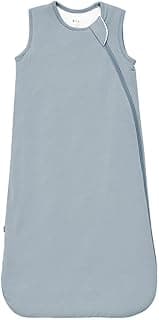
Kyte Baby Sleep Bag – Bamboo Wearable Blanket
Kyte Baby's sleep bag is made from buttery-soft OEKO-TEX certified bamboo rayon — it's temperature-regulating, hypoallergenic, and genuinely the softest sleep sack on the market. Parents who try it say they've never felt fabric this soft on a baby.
For many families, the swaddle is a cherished sleep aid, a tiny cocoon that mimics the womb and gently suppresses the startle reflex, allowing for longer, more peaceful stretches of sleep. But when that first roll happens, often without warning, the swaddle immediately becomes a safety hazard, as a baby needs their arms free to push up and reposition themselves if they roll onto their stomach. This abrupt halt to a beloved sleep solution can feel like falling off a sleep cliff, leaving parents scrambling for a safe and effective alternative.
Enter the Magic Merlin Sleepsuit, affectionately dubbed "the marshmallow suit" by many parents. This unique sleep system has emerged as a popular choice for bridging this critical gap, offering a sense of security and containment without the risks associated with continued swaddling once rolling begins. Let's delve deeper into what makes this suit a valid tool in the quest for safe, restorative infant sleep.
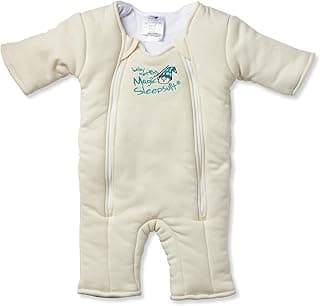
Baby's Magic Tea Magic Merlin Sleepsuit
The Magic Sleepsuit is a patented swaddle transition product that helps transition babies from the swaddle by providing them with a cozy, secure feeling. The Magic Sleepsuit was created by a mother of four who is a pediatric physical therapist to improve the quality and duration of her babies' sleep. The Magic Sleepsuit is designed for back sleeping in the bare crib only in a room at the recommended temperature for babies. The Magic Sleepsuit should not be used for co-sleeping, or with any sleep positioners. The Microfleece Magic Sleepsuit has a soft, breathable jersey cotton inner layer, a soft microfleece outer layer and a layer of polyfil in between for just enough comfort. The Magic Sleepsuit is designed to be introduced at approximately three months of age when babies are transitioning from the swaddle. Babies should be transitioned out of the Magic Sleepsuit when they roll over or try to roll over in it and are ready for more freedom of movement in their sleep. The Magic Sleepsuit provides your baby with a cozy and calming sleep environment that will become a consistent part of their sleep routine. The Magic Sleepsuit is designed to aid in baby's sleep patterns, and give parents peace of mind that their baby is getting adequate rest necessary for appropriate growth and development.
Understanding the Sleep Landscape: Why 3-4 Months Is a Game-Changer
To fully appreciate the role of transitional sleepwear like the Merlin suit, it's essential to understand the developmental context surrounding this particular phase of infancy.
The Mighty Moro Reflex: A Sleep Disruptor
From birth, infants exhibit the Moro reflex, also known as the startle reflex. This involuntary response causes a baby to suddenly extend their arms and legs, arch their back, and then pull their limbs back in, often accompanied by a cry. While a normal and protective reflex, it can be a major disruptor to infant sleep, waking babies just as they're drifting off or during light sleep cycles. Swaddling effectively manages this reflex by keeping the arms snug, preventing the sudden movements that can startle a baby awake.
The Rolling Milestone: A Safety Imperative
Around 3 to 4 months of age, many infants develop the strength and coordination to roll from their back to their tummy. This is a wonderful developmental achievement, but it comes with a critical safety caveat: once your baby shows any signs of attempting to roll, swaddling must stop immediately. The American Academy of Pediatrics (AAP) unequivocally states this to prevent the risk of suffocation if a swaddled infant rolls onto their stomach and cannot use their arms to push themselves back or reposition their head. This abrupt change can be unsettling for both baby and parents, as the soothing familiarity of the swaddle is suddenly gone.
The 4-Month Sleep Regression: A Period of Intense Development
Coinciding with the rolling milestone and the need to transition from swaddling, many babies also experience what's commonly referred to as the "4-month sleep regression." While it feels like a setback, it's actually a sign of significant brain development. At this age, a baby's sleep cycles mature, becoming more like an adult's, with distinct stages of light and deep sleep. This transition means more frequent awakenings as they learn to connect these new sleep cycles. Without the comforting sensation of the swaddle, these awakenings can become more prolonged and challenging to navigate.
The Magic Merlin Sleepsuit: A Deep Dive into its Design and Purpose
When faced with the twin challenges of the Moro reflex and the rolling milestone, parents often seek a "middle ground" solution that can ease the transition. The Magic Merlin Sleepsuit aims to be precisely that.
What It Is: The Marshmallow Suit Unpacked
Visually, the Magic Merlin Sleepsuit is distinctive. Its thick, quilted fabric gives it a plush, padded appearance, leading to its "marshmallow" or "space suit" moniker. It's designed as a full-body sleepsuit with enclosed feet and mittens, available in various sizes to accommodate growing infants.
How It Works: The Science Behind the Suit
The core efficacy of the Merlin Sleepsuit lies in its unique design, which addresses the challenges of the swaddle-to-freedom transition:
- Muffling the Moro Reflex (Without Restriction): Unlike a swaddle that physically restricts movement, the Merlin suit's dense, stiff fabric provides gentle resistance and a comforting "boundary" around the baby's limbs. This subtle pressure and bulk dampen the involuntary flailing of the Moro reflex, preventing the sudden, startling movements that can disrupt sleep. Crucially, while it provides resistance, it does not restrict a baby's ability to move their arms and legs, making it safe for babies who can roll.
- Providing a Sense of Containment and Security: The suit's padded nature offers a feeling of being gently hugged or contained, a sensation that many babies find reassuring and reminiscent of the swaddle or even the womb. This can help alleviate the feeling of "startling awake" into a wide-open space.
- Facilitating Self-Soothing: By providing a calming environment that reduces external stimuli (like the startle reflex), the suit can help babies learn to self-soothe more effectively. It creates a consistent, comforting layer that signals "sleep time."
Bridging the Gap: Swaddling to Freedom
The Magic Merlin Sleepsuit shines as a true "transition tool." It acknowledges that moving from the snugness of a swaddle directly to a wide-open sleep sack can be a significant leap for some babies. By extending the quality sleep of the swaddle phase safely, it allows infants (and their parents!) to maintain more consistent sleep patterns while the baby adapts to their new freedom of movement. It's a stepping stone, providing a period of adjustment before transitioning to a standard sleep sack or just pajamas.
Safety Considerations and Design Philosophy
Choosing high-quality, safety-tested products for infant sleep is paramount. Reputable brands like Magic Merlin prioritize safety in their design. The suit is engineered with several safety features in mind:
- Breathable Fabric: Despite its thickness, the suit is designed with breathable materials to help prevent overheating.
- Hip-Healthy Design: It allows for full range of motion in the hips and legs, crucial for healthy hip development, in line with recommendations from organizations like the International Hip Dysplasia Institute.
- Proper Fit is Key: The suit comes in specific age/weight ranges (typically starting around 3 months/12 lbs and going up to 9 months/21 lbs) to ensure a snug, but not restrictive, fit. A suit that is too big could potentially ride up and cover the face, while one that is too small could restrict movement unnecessarily.
Expert Tip: Always ensure you purchase sleepwear from reputable brands that adhere to safety standards. Look for certifications and read reviews carefully to confirm the product's safety and quality. The peace of mind that comes with a well-designed, safety-tested product is invaluable.
Practical Parent-to-Parent Guide: Using the Merlin Sleepsuit Effectively
Having a great sleep product is only part of the equation; knowing how to integrate it effectively into your baby's sleep routine is just as important.
When to Introduce It
The ideal time to introduce the Merlin Sleepsuit is when your baby:
- Is around 3-4 months old.
- Weighs at least 12 pounds.
- Has started to show signs of rolling over (or has already rolled). This is the most critical indicator for discontinuing swaddling and moving to a transitional product.
- Is no longer content in the swaddle or is frequently breaking out of it.
Introducing the Suit: Tips for the First Few Nights
- Start with naps: Introduce the suit during daytime naps first. This allows your baby to adjust to the new sensation without the added pressure of nighttime sleep.
- Consistency is key: Once you start using the suit, try to use it consistently for all sleep periods to help your baby associate it with sleep.
- Maintain your routine: Don't change your entire bedtime routine when introducing the suit. Keep bath, feeding, stories, and cuddles the same to provide continuity and comfort.
Monitoring for Comfort and Safety
- Preventing Overheating: The Merlin suit is thick, so dressing your baby appropriately underneath is crucial. In most environments, a simple cotton onesie or just a diaper is sufficient. Monitor your baby's temperature by feeling their chest or back – they should be warm, not sweaty. The ideal room temperature for infant sleep is typically between 68-72°F (20-22°C). Never put blankets over the sleepsuit.
- Proper Fit: Ensure the suit fits snugly but not tightly. There should be enough room for comfortable movement of arms and legs, but not so much that the fabric bunches excessively around the neck or face. Follow the manufacturer's weight guidelines strictly.
- Always Back to Sleep: Even in the Merlin Sleepsuit, always place your baby on their back to sleep, on a firm, flat surface free of bumpers, loose blankets, or toys.
Establishing a Consistent Sleep Routine
The Merlin suit is a tool, not a magic wand. It works best when integrated into a holistic approach to sleep:
- Consistent bedtime and naptime routines: Predictability helps signal to your baby that it's time to wind down.
- Recognizing sleep cues: Learning your baby's signals for tiredness (yawning, rubbing eyes, fussiness) allows you to put them down before they become overtired.
- Optimal sleep environment: A dark, quiet, and cool room with a white noise machine can create an ideal sleep sanctuary.
When to Transition Out
The Merlin Sleepsuit is a temporary solution, designed for a specific developmental phase. It's time to transition out when your baby:
- Starts rolling over while in the suit. This is the definitive sign it's time to move on, as the suit's resistance could impede their ability to roll back if needed.
- Shows signs of trying to push up or stand in the crib while wearing the suit.
- Outgrows the suit by weight or length.
- No longer seems to benefit from it, e.g., their startle reflex has significantly diminished, and they are sleeping well without it.
Transitioning out of the Merlin suit can be done by moving to a standard sleep sack, which provides warmth and comfort without the same level of containment. Some parents opt for sleep sacks with sleeves initially to maintain a similar feel, gradually moving to sleeveless versions.
Cleaning and Maintenance Tips
Always follow the manufacturer's washing instructions. Typically, Merlin suits are machine washable on a gentle cycle and tumble dried on low. Regular washing is important for hygiene, especially if your baby drools or spits up.
Expert Insights & When to Call the Doctor
As a pediatric specialist, my aim is always to empower parents with knowledge and practical strategies while ensuring safety remains paramount.
Setting Realistic Expectations
While many parents find the Merlin Sleepsuit incredibly effective, it's crucial to remember that every baby is unique. What works wonders for one infant may not be the perfect solution for another. It's a tool to assist in sleep, not a guarantee for 12 hours of uninterrupted sleep. Patience and consistency are your greatest allies.
Holistic Sleep Approach
No single product can solve all sleep challenges. A truly restorative sleep environment and routine involve:
- Consistent wake windows appropriate for age.
- Adequate daytime feeds to prevent hunger wake-ups at night.
- A calming bedtime routine.
- A dark, cool, quiet sleep space.
- Addressing any underlying medical issues (e.g., reflux, allergies) that might be disrupting sleep.
Common Pitfalls and How to Avoid Them
- Using it for too long: Do not use the Merlin suit past the point where your baby can roll in it. This is a safety issue.
- Ignoring overheating signs: Always check your baby's temperature. Red cheeks, sweating, rapid breathing, or clammy skin are all signs of overheating.
- Not addressing hunger or discomfort: The suit can help a baby stay asleep, but it won't put them to sleep if they are genuinely hungry, uncomfortable, or unwell.
When to Seek Professional Advice
While sleep challenges are common, there are times when it's best to consult with your pediatrician or a certified pediatric sleep consultant:
- Persistent severe sleep difficulties: If your baby is consistently waking very frequently, struggling to fall asleep, or appears distressed despite your best efforts.
- Concerns about development or feeding: If sleep issues seem linked to difficulties with feeding, weight gain, or other developmental milestones.
- Signs of illness: If your baby develops a fever, unusual lethargy, difficulty breathing, or any other concerning symptoms, always prioritize a call to your doctor.
- Any safety concerns with sleepwear or environment: If you're unsure about the safe use of any sleep product or the setup of your baby's sleep space, a professional can provide personalized guidance.
Conclusion: Embracing the Journey to Independent Sleep
The period between 3 and 6 months is a whirlwind of change for both babies and parents, especially when it comes to sleep. The transition from swaddling to independent sleep marks a significant step in your child's development, and it can be fraught with uncertainty.
The Magic Merlin Sleepsuit offers a welcome respite for many families, serving as a thoughtful bridge between the security of the swaddle and the freedom of a sleep sack. By understanding the science behind infant sleep, embracing safe sleep practices, and utilizing tools like the Merlin suit wisely, parents can navigate this challenging phase with greater confidence and, hopefully, more restorative sleep for everyone. Remember, you are doing an amazing job, and providing a safe, comforting environment for your little one to grow and thrive is the ultimate goal.