Why We Choose Naturepedic: The Organic Standard
For many new parents, the "nursery list" starts with aesthetics—the perfect color palette, a vintage-style dresser, or a whimsical mobile. However, as pediatric specialists and sleep consultants, we encourage families to shift their focus from what the nursery looks like to how it breathes.
An infant spends approximately 16 to 18 hours a day sleeping during their first year of life. This means their developing respiratory system and permeable skin are in direct, prolonged contact with their mattress more than any other surface. When we look at the data surrounding indoor air quality and infant health, the choice of a mattress transitions from a simple furniture purchase to a critical health decision.
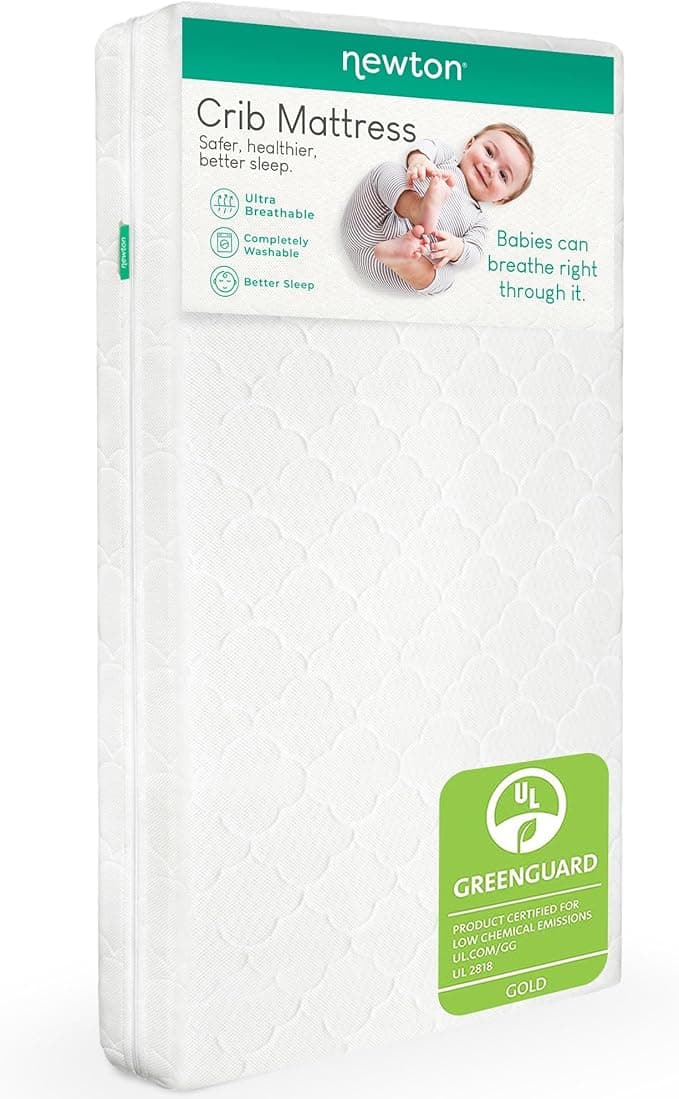
Newton Baby Crib Mattress and Toddler Bed
Say goodbye to 'is-my-baby-breathing' anxiety with the only mattress that’s basically 90% air and 100% peace of mind. It’s fully washable (yes, even the core) because we know life is messy, and your sleep is worth the investment.
At GooGaia, we have vetted dozens of brands, but Naturepedic consistently remains our "Gold Standard." Here is a deep dive into the science, the safety, and the practical reasons why this organic choice is the most important investment you will make for your child’s environment.
The Science of the "Exposome": Why Infant Sleep Surfaces Matter
To understand why an organic mattress is necessary, we must look at the physiological differences between an infant and an adult. Newborns have a higher metabolic rate and a faster respiratory rate; they breathe in more air per pound of body weight than adults do. Furthermore, their detoxification pathways—the liver and kidneys—are still maturing, making them less efficient at processing environmental toxins.
Traditional crib mattresses are often constructed using polyurethane foam, a petroleum-based material. To make this foam fire-resistant and waterproof, manufacturers frequently add a cocktail of chemicals, including:
- Flame Retardants: Often linked to endocrine disruption and developmental delays.
- Volatile Organic Compounds (VOCs): Gases emitted from the foam that can irritate the eyes, nose, and throat, and have been linked to increased risks of asthma.
- Phthalates: Used to soften plastics in waterproofing covers, these are known endocrine disruptors.
Naturepedic eliminates these risks by utilizing a "prevention-first" design philosophy. By using naturally fire-resistant materials and plant-based components, they remove the need for chemical interventions entirely.
Decoding the Naturepedic Difference: Pure Materials
When we evaluate a product, we look past the marketing "greenwashing" and straight at the ingredient list. Naturepedic’s transparency is what sets them apart.
1. Organic Cotton Fabric & Filling
Naturepedic uses GOTS (Global Organic Textile Standard) certified organic cotton. Unlike conventional cotton, which is one of the most chemically treated crops in the world, organic cotton is grown without synthetic pesticides or fertilizers. This provides a soft, breathable surface that promotes airflow and temperature regulation, reducing the risk of overheating—a known factor in SIDS (Sudden Infant Death Syndrome).
2. Sugarcane PLA (Plant-Based Synthetic)
Many parents ask: How can a mattress be "bouncy" or "firm" without foam? Naturepedic utilizes PLA, a polyester-like fiber derived entirely from non-GMO sugarcane. This material is resilient, moisture-wicking, and, most importantly, emits virtually zero VOCs. It provides the structural integrity needed for a firm infant sleep surface without the chemical off-gassing of petroleum foam.
3. Food-Grade Polyethylene Waterproofing
Waterproofing is non-negotiable for a crib mattress (accidents happen daily). However, most waterproof covers use PVC (vinyl), which leaches phthalates and contains lead. Naturepedic uses a patented waterproofing surface made from food-grade polyethylene derived from non-GMO sugarcane. It is so safe it is actually approved for contact with food.
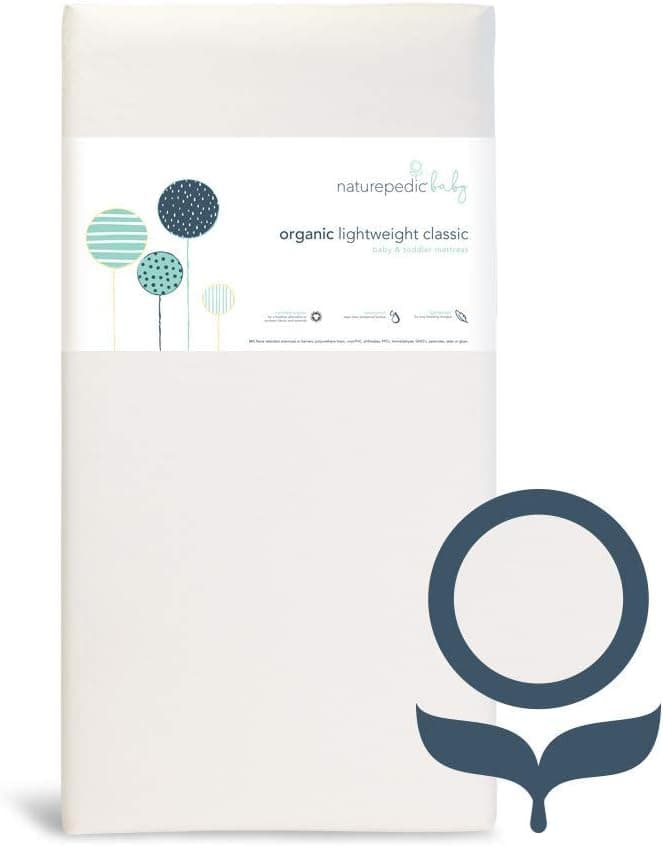
Understanding the "Alphabet Soup" of Certifications
In the world of organic products, labels can be confusing. As experts, we look for third-party verifications that hold manufacturers accountable. Naturepedic carries the most rigorous certifications available:
- GOTS (Global Organic Textile Standard): This is the "Gold Standard." It ensures that the entire supply chain—from harvesting to manufacturing—meets strict ecological and social criteria.
- MADE SAFE: This is one of the most difficult certifications to obtain. It signifies that a product is made without any ingredients known or suspected to harm human health.
- GREENGUARD Gold: This certification focuses on chemical emissions. Products are tested in environmental chambers to ensure they meet the lowest possible VOC emission levels, ensuring the air your baby breathes is clean.
Expert Tip: The "Firmness Test" and Physical Safety
While chemical safety is vital, physical safety is equally important for preventing SUID (Sudden Unexpected Infant Death). A crib mattress must be significantly firmer than an adult mattress.
The Expert "Press Test": When you receive your Naturepedic mattress, press your hand firmly into the center and the edges. It should feel quite rigid and should snap back instantly when you release your hand. If the mattress conforms to your hand or leaves an indentation, it is too soft. Naturepedic designs their crib mattresses with a heavy-duty orthopedic innerspring or a high-density wave core to ensure that the surface never sags, which keeps the baby's airways open and clear.
Practical Parent-to-Parent Tips for Nursery Setup
- The "Off-Gassing" Myth: Many parents believe they should buy a mattress weeks in advance to let it "air out." While this is necessary for traditional foam mattresses to dissipate toxic smells, a Naturepedic mattress has no chemical odor. You can safely use it the day it arrives.
- Skip the Plastic Mattress Protector: Because Naturepedic features a built-in food-grade waterproof surface, you do not need an additional plastic cover. Adding one could actually decrease the breathability of the organic cotton.
- Invest in Organic Sheets: Don't undermine your organic mattress by covering it with synthetic, chemically treated polyester sheets. Use GOTS-certified organic cotton sheets to maintain the purity of the sleep environment.
- Cleaning the Surface: For daily messes, a simple solution of mild soap and water is all you need. The polyethylene surface is incredibly durable and won't crack or peel like vinyl.
When to Call the Doctor: Respiratory Concerns
While a non-toxic mattress is a preventative measure, it is important to monitor your baby's respiratory health regardless of their sleep surface.
Consult your pediatrician if you notice:
- Consistent Congestion: If your baby seems "stuffy" only when in their nursery or crib, it may be an allergic reaction to dust mites or environmental triggers.
- Noisy Breathing: Whistling or grunting during sleep.
- Skin Rashes: Unexplained contact dermatitis on the parts of the body that touch the mattress.
- Rapid Breathing: If your baby is taking more than 60 breaths per minute while resting.
Ensuring a clean "exposome" through products like Naturepedic can significantly reduce the environmental load on a child's sensitive system, potentially alleviating minor respiratory irritations.
The Longevity Factor: Why the Investment Makes Sense
We understand that the price tag of a Naturepedic mattress is higher than the "big box" alternatives. However, as pediatric experts, we view this as a multi-year investment. Most Naturepedic crib mattresses are "2-in-1" designs, featuring a firm side for infants and a slightly cushioned (but still supportive) side for toddlers.
Because the materials are high-quality—real organic cotton and durable plant-based fibers—these mattresses do not degrade or "dip" like foam. They are built to last through multiple children, making the cost-per-sleep-hour significantly lower than it appears at first glance.
The Verdict: Peace of Mind for the Modern Parent
In the first year of parenthood, you will face thousands of decisions. Many of them are trivial, but the environment in which your baby grows and recovers each night is foundational.
Naturepedic isn't just a mattress; it is a clinical intervention against the "toxic nursery." By choosing the organic standard, you are removing a significant source of chemical exposure, ensuring that every one of those 16 hours of sleep is spent on a surface as pure as the baby who occupies it. The peace of mind that comes with knowing your child is breathing clean, untainted air is, in our professional opinion, truly priceless.