Traveling With a Baby: Sleep Tips for Cars, Planes, and Hotels
Traveling with a baby can feel like embarking on a grand expedition, complete with meticulously packed bags, whispered strategies, and the ever-present hope for uninterrupted sleep. The thought of taking a little one on a plane, a long car ride, or to an unfamiliar hotel room is enough to make many parents consider staying put for years. However, with careful planning, a dose of flexibility, and the right expert guidance, traveling with kids is not only possible but can also be incredibly enriching for your family. The key lies in understanding your baby's unique sleep needs, preparing for the unexpected, and arming yourself with strategies to protect their precious rest, even when far from home. This guide, rooted in pediatric expertise and real-world parenting wisdom, will help you navigate the sleep challenges of travel, ensuring both you and your baby can enjoy the journey.
Embracing Flexibility: The 80/20 Rule for Travel Sleep
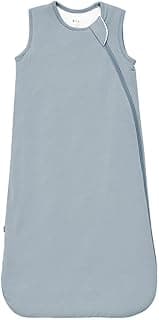
Kyte Baby Sleep Bag – Bamboo Wearable Blanket
Kyte Baby's sleep bag is made from buttery-soft OEKO-TEX certified bamboo rayon — it's temperature-regulating, hypoallergenic, and genuinely the softest sleep sack on the market. Parents who try it say they've never felt fabric this soft on a baby.
At home, you might strive for 100% adherence to your baby's sleep schedule – perfectly timed naps in the crib, a consistent bedtime routine, and a tranquil sleep environment. While admirable, this level of precision is often unrealistic and stressful when traveling. This is where the 80/20 Rule becomes your guiding principle. On vacation, aim for 80% schedule adherence and allow for 20% flexibility.
Scientific Context: A baby's developing brain thrives on routine, which helps regulate their circadian rhythm and establish healthy sleep patterns. However, studies also show that excessive parental stress around sleep can negatively impact both parent and child. The 80/20 rule allows for occasional deviations without completely derailing their sleep foundation. It fosters resilience in your child, teaching them to adapt, and significantly reduces parental anxiety, which babies are highly attuned to.
Parent-to-Parent Tips:
- Embrace the stroller nap: If your baby drifts off in the stroller while you explore a new city, that's a win! It’s better than no nap at all.
- Late bedtime occasionally: A special late dinner with family or a walk to see the sunset won't ruin their sleep forever. One late night is unlikely to cause lasting harm.
- Snacks all day: On the go, nutritious snacks might be less structured than usual. That's fine for a few days.
- The "One Thing" Strategy: The crucial element of the 80/20 rule is to protect one solid sleep period a day. This might be a reliable crib nap, or an early bedtime to ensure a good stretch of overnight sleep. This anchor sleep helps prevent total overtired meltdowns and offers a predictable rhythm amidst the chaos.
- Expert Tip: Defining "Solid Sleep": A "solid sleep" doesn't have to be perfect. It means a nap or an overnight sleep that lasts a reasonable duration for your baby's age (e.g., 60+ minutes for a nap, 8+ hours overnight) in a relatively undisturbed environment, allowing them to cycle through sleep stages effectively. Don't aim for perfection, aim for restoration.
Kyte Baby Sleep Bag – Bamboo Wearable Blanket
Kyte Baby's sleep bag is made from buttery-soft OEKO-TEX certified bamboo rayon — it's temperature-regulating, hypoallergenic, and genuinely the softest sleep sack on the market. Parents who try it say they've never felt fabric this soft on a baby.
Protecting your baby's sleep environment, whether at home or on the go, is paramount. High-quality sleep products, such as a comfortable, safe sleep bag, can make a significant difference. A sleep bag provides a consistent, cozy sleep cue, mimics the warmth and security of being swaddled (for younger babies), and ensures your little one remains safely covered without loose blankets. When traveling, bringing a familiar, high-quality sleep bag can be a game-changer, helping your baby feel secure and signaling that it's time for sleep, regardless of their unfamiliar surroundings.
Mastering Plane Travel with Baby Sleep in Mind
The prospect of flying with an infant can be daunting, but with thoughtful planning, it can be a surprisingly smooth experience.
Strategic Flight Timing
The timing of your flight can greatly influence your baby's comfort and your peace of mind.
- Nap Time Flight (if they sleep on the go): If your baby is one of the lucky ones who can easily sleep in arms or a car seat amidst noise and motion, booking a flight during their longest nap window or even overnight can be ideal. They might sleep through much of the journey, reducing fussiness and making the flight feel shorter.
- Parent-to-Parent Tip: Dress them in comfortable layers, bring their favorite lovey, and have a portable sound machine ready to block out cabin noise.
- Wake Window Flight (if easily distracted): For babies who struggle to sleep in novel environments, flying during a wake window might be better. This allows them to be engaged and playful during the flight, then hopefully sleep soundly once you land and can establish a more consistent sleep environment.
- Scientific Context: Babies have different temperaments; some are highly sensitive to external stimuli, while others can "sleep anywhere." Observing your child's natural tendencies is key to choosing the best strategy. For sensitive babies, trying to force sleep in a stimulating environment can lead to overstimulation and overtiredness.
Protecting Little Ears During Takeoff and Landing
Changes in cabin pressure during ascent and descent can cause discomfort or pain in a baby's ears, similar to what adults experience.
- The Swallowing Reflex: Sucking and swallowing helps to equalize pressure in the Eustachian tubes.
- Practical Application: Offer a breastfeed, a bottle-feed, or a pacifier during takeoff and landing. The continuous sucking and swallowing motion is incredibly effective.
- For Older Babies/Toddlers: Offer a sippy cup of water, a chewy snack, or even a lollipop (for those old enough and without choking hazards) during these times.
The Comfort and Safety of a Car Seat on the Plane
If your budget allows, purchasing a separate seat for your baby and bringing their FAA-approved car seat on board is highly recommended.
- Safety First: Car seats provide a much safer environment for infants during turbulence compared to lap holding. The Federal Aviation Administration (FAA) strongly recommends that infants and small children fly in an approved child restraint system (CRS).
- Familiarity and Sleep: Your baby is accustomed to their car seat and the feeling of being buckled in it. This familiarity can be a powerful sleep cue, making it easier for them to settle and sleep, even in a noisy plane cabin.
- Practicalities: Ensure your car seat is FAA-approved (check the label). Consider a lightweight travel car seat if you plan to carry it through the airport. If you can't afford an extra seat, consider flying during off-peak times when there might be empty seats available next to you (though this is never guaranteed).
- Expert Tip: If you can't bring a car seat on board, a baby carrier can be useful for keeping your baby close and comfortable, especially during taxiing and boarding. Always remove the baby from the carrier for takeoff and landing if they are to be held in your lap, to ensure proper bracing position.
Optimizing the Hotel Room Setup for Sleep
Hotel rooms, with their new sights, sounds, and smells, can be incredibly exciting for a baby, often making sleep a challenge. Creating a familiar and conducive sleep environment is paramount.
Creating a "Room within a Room"
If you're sharing a hotel room with your baby, visual barriers are essential to minimize distractions and signal sleep time.
- Walk-in Closet: A walk-in closet, if available and spacious enough, can be an excellent "nursery." Ensure the door is left cracked significantly for proper airflow and that there are no hazards inside. Place the portable crib or Pack 'n Play inside.
- Large Bathroom: For luxury hotel rooms with generously sized bathrooms, this can also work. Crucially, ensure no one needs to shower or use the toilet during your baby's sleep, and again, guarantee excellent airflow. This is a temporary solution for sleep periods only.
- The SlumberPod (or similar blackout privacy tent): This product is a game-changer for shared rooms. It's a blackout privacy tent that fits over a Pack 'n Play or travel crib, creating a dark, secluded sleep space regardless of room light.
- Parent-to-Parent Tip: Always ensure adequate ventilation when using any enclosed sleep space. Many products like SlumberPod are designed with this in mind, but always check manufacturer guidelines. Consider a clip-on fan inside for extra air circulation.
- Repurposing Furniture: In a pinch, strategically arranged hotel furniture (e.g., placing the crib behind a large armchair or desk) can offer a partial visual barrier. Always ensure furniture is stable and can't tip over.
Mimicking Home: Comfort and Consistency
Babies thrive on familiarity. Replicating elements of their home sleep environment can provide immense comfort.
- The Noise Machine: A portable sound machine is a non-negotiable travel item. White noise blocks out unfamiliar hotel sounds (hallway chatter, neighboring rooms, street noise) and provides a comforting, consistent auditory cue for sleep.
- Scientific Context: White noise can help mask sudden sounds that might otherwise wake a sleeping baby, promoting longer sleep stretches.
- The Unwashed Sleep Sack/Loveys: Bring your baby's sleep sack or favorite lovey (if age-appropriate) that hasn't been recently washed. The familiar scent of home, and specifically of you, can be incredibly soothing in a new environment.
- Crib Sheet from Home: If practical, bring a crib sheet from home. The familiar texture and scent can offer an additional layer of comfort.
- Pre-Sleep Routine: Don't abandon your bedtime routine. Even if shortened, go through the familiar steps: bath (if feasible), diaper change, pajamas, story/lullaby, sleep sack. This sequence strongly signals that sleep is coming.
- Expert Tip: Consider packing a small, familiar bedtime book or a soft toy exclusively used for sleep at home.
Battling Unwanted Light
Hotel curtains are notorious for their gaps and inadequate light-blocking capabilities, which can disrupt melatonin production.
- Block it Out: Darkness is crucial for melatonin release, the hormone that promotes sleep.
- Practical Solutions:
- Chip Clips or Painter's Tape: Pack 4-5 chip clips or a roll of painter's tape to secure curtain gaps and seal light leaks around the edges. Painter's tape is gentle on hotel walls.
- Travel Blackout Blinds: Portable blackout blinds with suction cups are an excellent investment, offering complete darkness anywhere.
- Improvised Blackout: In a pinch, heavy garbage bags, aluminum foil, or even large scarves taped to the window can create a dark environment. Always check hotel policy on taping things to windows.
- Practical Solutions:
Navigating Time Zones with Your Baby
Time zone changes can be one of the most challenging aspects of travel sleep, as they directly impact your baby's internal clock.
Short Trips (Less Than 3 Days): Stay on Home Time
For brief getaways, attempting to fully adjust to a new time zone can be more disruptive than beneficial.
- Why it Matters: Your baby's circadian rhythm won't have enough time to truly reset, so trying to force an adjustment for a very short period can lead to fragmented sleep and overtiredness.
- Practical Strategy: If you're traveling from California (PST) to New York (EST), a 3-hour difference, aim to put your baby down at 10 PM NY time (which is 7 PM CA time). Let them sleep until 10 AM NY time. This strategy minimizes the disruption to their internal clock, though it might mean unusual wake/sleep times by local standards.
- Parent-to-Parent Tip: Accept that your days might start and end earlier/later than local norms, and plan your activities accordingly.
Long Trips (3+ Days): Adjust Immediately
For extended stays, a full time zone adjustment is usually the best course of action.
- Scientific Context: Resetting the Circadian Rhythm: Our internal clocks (circadian rhythm) are primarily regulated by light and darkness. Melatonin production is suppressed by light and stimulated by darkness. Strategic exposure to natural light is the most effective way to reset the clock.
- Immediate Adjustment Steps:
- Morning Sunlight: Get your baby out into natural sunlight first thing in the morning at your destination. This signals to their brain that the new day has begun and helps suppress melatonin production from their "old" time zone.
- Meal Times: Adjust meal and bottle times to the new time zone immediately. Food cues also help reinforce the new schedule.
- Pushing Bedtime: If you've gone west, you might need to keep them up a bit later. If you've gone east, they might naturally be tired earlier. Aim for bedtime at a reasonable hour in the new time zone.
- Expert Tip: Gradual vs. Immediate: For very large time differences (6+ hours), some parents prefer a gradual adjustment (shifting by 30-60 minutes a day). However, for most babies and time differences, an immediate "rip the band-aid off" approach, coupled with strong light exposure and routine, often works best and leads to faster adaptation.
Safe and Sound Car Travel
Car trips, especially long ones, require careful consideration to ensure your baby's safety and comfort.
The "Motion Nap"
Car naps can be a lifesaver for parents on long drives, but it's important to understand their limitations.
- Less Restorative: Car naps, often occurring in an upright position and amidst vibration and noise, are generally not as restorative as crib naps. The constant motion can keep babies in lighter sleep stages, preventing them from entering the deeper, more restorative REM and slow-wave sleep cycles crucial for development and learning.
- They Still Count: While not ideal, motion naps do count towards your baby's total sleep needs. They can prevent acute overtiredness and make the journey more manageable.
- Parent-to-Parent Tip: Don't rely solely on car naps for their primary sleep. Try to plan for at least one solid, stationary nap in a crib or Pack 'n Play during the day, if possible, especially on days with extensive car travel.
Mandatory Stops for Safety and Comfort
Prolonged periods in a car seat pose health risks for infants.
- Positional Asphyxiation Risk: For young infants, especially newborns, remaining in a semi-reclined position for extended periods can sometimes compromise their airway, leading to positional asphyxiation. This risk decreases as babies get older and develop better head and neck control.
- Spine Strain: The developing spine of a baby is not designed for prolonged periods in a fixed, semi-reclined position.
- Practical Guideline: Stop every 2-3 hours to take your baby out of the car seat.
- What to Do During Stops:
- Stretch and Move: Let them stretch out on a blanket, lie flat on their back, or enjoy some tummy time.
- Feed and Change: Use these stops for diaper changes and feeding, which naturally gets them out of the car seat.
- Fresh Air: A few minutes of fresh air and a change of scenery can do wonders for both baby and parent.
- What to Do During Stops:
- When to Call the Doctor / Expert Tip: If your baby seems unusually lethargic, has difficulty breathing, or shows any signs of distress while in the car seat, pull over immediately and check on them. Never allow an infant to sleep unsupervised in a car seat outside of the car for extended periods.
The "Vacation Hangover" and Coming Home
Don't be surprised if, after a fantastic trip, your baby seems to have a "vacation hangover" when you return home.
- Why It Happens:
- Disrupted Routine: Even with the 80/20 rule, travel inevitably disrupts established routines.
- Overstimulation: New environments, sounds, and faces can be overstimulating for babies.
- Parental Fatigue: You're probably tired too, and your stress levels can impact your baby.
- Symptoms: You might observe night wakings, increased resistance to naps, shorter nap durations, or general fussiness for 3-4 days (sometimes up to a week) after returning home.
- The Solution: Immediate Return to Routine.
- Consistency is Key: As soon as you walk through your front door, revert to your strict home schedule for naps and bedtime.
- Don't Introduce New Bad Habits: This is crucial. It's tempting to rock, hold, or feed to sleep more than usual to "fix" the post-travel sleep woes. Resist this urge! Your baby will quickly form new sleep associations that are harder to break later. Just stick to your established routines.
- Ride It Out with Empathy: Acknowledge that your baby is adjusting. Offer extra cuddles and reassurance during waking hours, but remain firm and consistent with their sleep expectations.
- Expert Tip: Your baby remembers their routine. Even if they fight it for a few days, their innate sense of predictability will kick back in. Trust the process, be patient, and prioritize sleep for everyone. Within a few days to a week, their sleep patterns should normalize.
Traveling with a baby doesn't have to be a nightmare of sleepless nights and overtired meltdowns. With thoughtful preparation, a flexible mindset, and a commitment to protecting those precious sleep windows, you can create wonderful memories as a family, far from home, while ensuring your little one continues to thrive. Happy travels!