Crane Drop Humidifier: Cute and Functional
The Unseen Challenge: Understanding Dry Air and Its Impact on Children's Health
As parents, we strive to create the most nurturing and comfortable environment for our children. Sometimes, the most significant challenges are invisible – like the quality of the air our little ones breathe. Dry air, often a silent intruder, can significantly impact a child's health and well-being, leading to a cascade of issues from minor discomfort to disrupted sleep and even exacerbating certain medical conditions. Understanding this impact is the first step toward effective solutions.
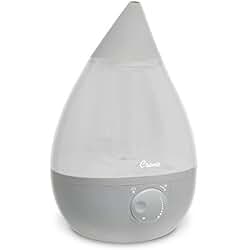
Crane Drop Ultrasonic Humidifier
TRANQUILITY: Experience tranquility with the Crane Ultrasonic Cool Mist Humidifier, a perfect room humidifier for bedroom use. This small humidifiers for bedroom not only enhances your overall well-being but also provides relief from dry skin, sinus congestion, and other discomforts caused by dry air.
The Physiology of Dry Air: Why It Matters for Little Ones
Children, especially infants and toddlers, are particularly vulnerable to dry air. Their respiratory systems are still developing, and their delicate mucous membranes, which line the nose, throat, and airways, are less robust than those of adults. These membranes produce mucus, a vital protective layer that traps dust, allergens, viruses, and bacteria, preventing them from entering the lungs.
When the air is dry, these mucous membranes can dry out and become irritated. This reduces their ability to produce protective mucus and impairs the function of cilia – tiny, hair-like structures that sweep foreign particles out of the airways. The consequence? A compromised first line of defense, making children more susceptible to infections and increasing their discomfort. For infants with smaller nasal passages, even slight swelling or thickening of mucus due to dryness can lead to significant congestion.
The Ripple Effect: From Congestion to Sleepless Nights
The most immediate and noticeable effect of dry air is often nasal congestion. A dry, irritated nose can lead to thicker, stickier mucus that is difficult for a child to clear. This congestion, in turn, makes breathing uncomfortable, especially during sleep. Infants, being obligate nasal breathers for the first few months, are particularly affected, as blocked nasal passages can make feeding and sleeping challenging.
Sleepless nights for a child mean sleepless nights for parents. Beyond the immediate exhaustion, chronic sleep disruption in children can have far-reaching implications for their development, mood regulation, and immune function. Sleep is a critical period for growth and repair; when it's constantly interrupted by congestion and discomfort, a child's ability to thrive is hindered. As pediatric specialists, we emphasize that consistent, quality sleep is fundamental to a child's healthy development, and anything that obstructs this, such as dry air, deserves attention.
Beyond Congestion: Dry Skin and Other Irritations
The effects of dry air extend beyond the respiratory system. A child's skin is also more sensitive and prone to dryness. Low humidity can strip the skin of its natural moisture, leading to:
- Dry, itchy skin: Exacerbating conditions like eczema (atopic dermatitis), a common chronic inflammatory skin condition in children.
- Chapped lips: Painful and uncomfortable for little ones.
- Nosebleeds: Dry nasal passages can become brittle and crack, making them more susceptible to bleeding, especially if a child picks their nose or experiences minor trauma.
- Irritated throat and eyes: Waking up with a scratchy throat or dry, irritated eyes can add to a child's general discomfort.
Crane Drop Ultrasonic Humidifier
TRANQUILITY: Experience tranquility with the Crane Ultrasonic Cool Mist Humidifier, a perfect room humidifier for bedroom use. This small humidifiers for bedroom not only enhances your overall well-being but also provides relief from dry skin, sinus congestion, and other discomforts caused by dry air.
Introducing the Solution: Humidifiers as a Pediatric Ally
Given the wide-ranging impacts of dry air, introducing moisture back into the environment becomes a powerful, non-pharmacological intervention. This is where humidifiers step in, transforming dry, irritating air into a more comfortable, breathable atmosphere for your child.
The Science Behind Adding Moisture
Humidifiers work by releasing water vapor or mist into the air, increasing the relative humidity. This added moisture helps to:
- Moisturize nasal passages: Keeping mucous membranes supple and effective, facilitating the natural clearance of mucus.
- Soothe coughs: A dry, hacking cough can often be alleviated by moist air, which helps to lubricate the throat.
- Relieve skin dryness: By preventing the air from drawing moisture out of the skin, humidifiers can help maintain the skin's natural barrier.
For children, cool mist humidifiers are generally recommended over warm mist variants. While warm mist humidifiers can feel soothing, they pose a scalding risk if knocked over, which is a significant safety concern in a child's room. Cool mist humidifiers offer the same benefits without this particular burn hazard.
Key Considerations When Choosing a Humidifier for Your Child's Space
Selecting the right humidifier for your child's nursery or bedroom involves more than just picking a device off the shelf. As experts, we advocate for thoughtful consideration of several factors:
- Safety: As mentioned, cool mist is preferred. Look for stable designs that are not easily tipped.
- Quiet Operation: Essential for not disrupting sleep.
- Ease of Cleaning: This is paramount for hygiene and preventing mold/bacteria growth.
- Capacity and Run Time: Sufficient to last through the night without needing refills.
- Optimal Humidity Control: Some units come with a built-in hygrometer or humidistat to maintain ideal levels.
- Overall Quality and Reliability: Investing in a well-made product from a reputable brand ensures efficiency, durability, and most importantly, safety. When it comes to your child's health, opting for high-quality, reliable products is always a wise decision.
A Closer Look at This Type of Humidifier: Design Meets Pediatric Needs
When parents describe a humidifier as "cute and functional," it often speaks to a product that understands both the practical needs of a nursery and the aesthetic desires of a modern parent. This particular type of humidifier, known for its distinctive 'drop' shape, exemplifies how thoughtful design can integrate seamlessly into a child's environment while delivering significant health benefits.
Essential Moisture for Optimal Respiratory Health
The core function of any humidifier is to add essential moisture to the air, and this model excels in this regard. By dispersing a fine, cool mist, it effectively elevates the humidity levels in a nursery. This action is crucial for:
- Relieving Congestion: The added moisture helps thin thick mucus in nasal passages, making it easier for infants and children to breathe through their nose. This can be a game-changer during cold and flu season or for children prone to seasonal allergies.
- Soothing Irritated Airways: For children with dry coughs or irritated throats, the moist air can provide immediate relief, lubricating the mucous membranes and reducing the urge to cough.
- Supporting Natural Defenses: By preventing the drying out of nasal passages, the humidifier helps maintain the integrity of the respiratory system's natural filtering mechanisms, indirectly supporting the child's immune response against airborne pathogens.
Expert Tip: Optimal Humidity Levels While more moisture is good, too much can create an environment conducive to mold and dust mite growth. The ideal indoor humidity level for health and comfort, especially in a child's room, is between 40-60%. Consider using a hygrometer (humidity monitor) to ensure you maintain this optimal range.
The Silent Guardian: Prioritizing Peaceful Sleep
One of the most praised features of high-quality humidifiers like this model is its whisper-quiet operation. The absence of a loud motor hum is not just a convenience; it's a critical factor for a child's sleep quality and, by extension, their overall development.
Infants and young children are particularly sensitive to noise during sleep. Their sleep cycles are different from adults, and loud, disruptive noises can easily pull them out of deeper, restorative sleep stages. A noisy humidifier, ironically meant to aid sleep by relieving congestion, could negate its own benefits by creating a new source of disturbance. This humidifier's "whisper-quiet" design ensures that the gentle mist can work its magic without adding any distracting auditory elements, allowing light sleepers and sensitive infants to rest undisturbed. This commitment to silent functionality reflects a deep understanding of pediatric sleep needs.
Beyond Breaths: Nurturing Healthy Skin
As previously discussed, dry air doesn't just affect the respiratory system. This humidifier also contributes significantly to maintaining healthy skin for your child.
- Addressing Dry Skin and Eczema Flare-ups: By keeping the room's air adequately humidified, the humidifier helps prevent the skin from losing its natural moisture. This is particularly beneficial for children with sensitive skin or existing conditions like eczema, as hydrated skin is less prone to itching, irritation, and cracking.
- Preventing Chapped Lips and Nosebleeds: Consistent humidity ensures that delicate skin around the lips and inside the nasal passages remains supple, reducing the incidence of painful chapped lips and uncomfortable nosebleeds often associated with arid environments.
Designed for Parents: Ease of Use and Maintenance
Parenting is demanding, and any product that simplifies daily routines is a welcome addition. This humidifier is noted for its ease of cleaning, a feature that we, as pediatric experts, cannot emphasize enough.
- Ease of Cleaning (If You Do It Weekly!): This seemingly simple point is profoundly important. Stagnant water, especially in a warm environment, can quickly become a breeding ground for mold, bacteria, and other microorganisms. A humidifier that is difficult to clean will likely not be cleaned often enough, turning a beneficial device into a potential health hazard. The design of this humidifier, which allows for straightforward disassembly and access to water reservoirs and mist outlets, makes regular cleaning less of a chore.
- Simple Operation: Beyond cleaning, the intuitive controls and easy refilling process add to its parent-friendly design, ensuring that even sleep-deprived parents can operate it effectively.
Practical Guidance for Parents: Maximizing Humidifier Benefits
A humidifier is a powerful tool, but its effectiveness is amplified by correct usage and diligent maintenance. Think of it as a crucial part of your child's wellness routine.
Optimal Placement and Usage
- Strategic Positioning: Place the humidifier on a flat, stable surface, several feet away from the crib or bed. Avoid placing it directly next to your child to prevent dampness on bedding, which can harbor mold. Also, keep it away from electronics, paper, or fabrics that could be damaged by moisture.
- Away from Vents and Windows: Positioning it near a vent or open window can dilute its effectiveness, as the mist may be quickly drawn away or condensed.
- Use Distilled Water: Tap water contains minerals that can create a fine white dust (mineral dust) when released into the air by ultrasonic humidifiers. This dust can irritate airways and settle on surfaces. Using distilled water significantly reduces this issue and prolongs the life of the unit. Avoid adding essential oils directly into the water tank unless the manufacturer explicitly states the unit is designed for it, as oils can degrade plastic components and potentially disperse into the air in a way that is irritating to sensitive lungs.
The Critical Role of Routine Cleaning and Maintenance
The instruction "easy to clean (if you do it weekly!)" is a vital directive. Neglecting humidifier cleaning is the most common pitfall for parents.
- Why Weekly Cleaning is Vital: Even with distilled water, biofilm (a slimy layer of bacteria and mold) can form inside the water tank and base. When the humidifier runs, these microorganisms can be aerosolized and dispersed into your child's breathing air, potentially causing respiratory issues, allergies, or infections.
- Step-by-Step Cleaning Tips:
- Daily Rinse: Empty any remaining water daily and rinse the tank and base thoroughly with fresh water before refilling. Do not let water sit in the humidifier when not in use.
- Weekly Deep Clean:
- Unplug the unit.
- Disassemble the tank and base.
- Fill the water tank halfway with white vinegar (a natural disinfectant and descaler). Swish it around, letting it sit for 30 minutes to an hour.
- For the base, pour vinegar into the water reservoir and let it sit for 30 minutes. Use a small brush (like an old toothbrush or bottle brush) to gently scrub any mineral deposits or slime from hard-to-reach areas, including the nebulizer/mist output.
- Rinse all components thoroughly with clean water until the vinegar smell is gone. This is crucial as vinegar vapor can be irritating.
- Allow all parts to air dry completely before reassembling.
- Filter Replacement: If your humidifier has a filter, follow the manufacturer's guidelines for replacement.
Parent-to-Parent Tip: Make Cleaning a Habit Pick a specific day of the week to clean the humidifier. Pair it with another weekly chore, like changing bedsheets, so it becomes part of your routine. Set a reminder on your phone! It might seem like an extra step, but it's essential for ensuring the air your child breathes is truly clean and beneficial.
Monitoring Your Environment: The Role of a Hygrometer
While your humidifier is working hard, it's wise to have an objective measure of its effectiveness. A simple hygrometer, an inexpensive device that measures humidity, can provide peace of mind. Place it on a dresser or shelf in the nursery, away from the humidifier itself, to get an accurate reading of the room's overall humidity. This allows you to adjust the humidifier's output to maintain that optimal 40-60% range, preventing the air from becoming too dry or excessively damp.
When to Call the Doctor: Expert Advice for Pediatric Concerns
While humidifiers are incredibly beneficial supportive tools for managing symptoms associated with dry air, it's crucial for parents to understand their limitations and when to seek professional medical advice. A humidifier can soothe, but it does not cure underlying illnesses.
- Persistent Symptoms: If your child's congestion, cough, or general discomfort persists or worsens despite consistent humidifier use and other home care measures (like saline drops or nasal aspiration), it's time to consult your pediatrician.
- Fever: A humidifier will not reduce a fever. If your child develops a fever, especially a high one (over 100.4°F for infants under 3 months, or any persistent fever in older children), it warrants a call to the doctor.
- Breathing Difficulties: Signs of labored breathing are always a medical emergency. Look for:
- Fast breathing: More breaths per minute than usual.
- Retractions: Skin pulling in between or under the ribs, or at the neck, with each breath.
- Nasal flaring: Nostrils widening with each breath.
- Wheezing: A whistling sound during breathing.
- Stridor: A harsh, vibrating noise during inhalation, often indicating an airway obstruction.
- Bluish tint: Around the lips or fingernails. If you observe any of these signs, seek immediate medical attention.
- Unusual Coughs: While a humidifier can help a dry cough, certain coughs require evaluation, such as a barking cough (which could indicate croup), a cough with wheezing, or a cough that lasts for an extended period.
- Ear Pain: Ear infections often accompany respiratory illnesses. If your child is pulling at their ears or seems to be in pain, it's a sign to see the doctor.
- Lack of Improvement: Trust your parental instincts. If your child seems sicker than usual, isn't feeding well, or generally isn't improving as expected, a medical evaluation is prudent.
A humidifier is an excellent adjunct to pediatric care, providing comfort and relief. However, it is never a substitute for a medical diagnosis or treatment from your pediatrician. Always consult with your doctor if you have concerns about your child's health.
Final Thoughts: Creating a Nurturing Environment with Thoughtful Choices
As pediatric specialists and fellow parents, we understand the dedication required to ensure a child's health and happiness. The journey is filled with countless small decisions that collectively create a nurturing environment. Addressing the quality of the air your child breathes is one such decision, offering significant returns in comfort, sleep quality, and overall well-being.
A high-quality, easy-to-maintain humidifier, like the one we've discussed, is more than just an appliance; it's a small investment in your child's respiratory health and peaceful sleep. By providing essential moisture, it helps to alleviate the discomforts of dry air, from congested noses and irritated skin to disrupted nights. When combined with consistent cleaning and an understanding of when to seek medical advice, a humidifier becomes a powerful ally in your parenting toolkit, helping you cultivate a home environment where your little ones can truly thrive.