The Frida Mom Kit: What You Actually Use
Postpartum recovery—often referred to as the "Fourth Trimester"—is a period of profound physiological and emotional transition. While society often focuses intensely on the birth itself and the subsequent care of the newborn, the physical healing of the mother is frequently relegated to the background.
The reality of vaginal birth recovery involves managing significant tissue swelling (edema), hormonal shifts, and the healing of the perineum. This is where the Frida Mom Postpartum Recovery Kit shifts the narrative from "surviving" the first week to actively managing recovery with dignity and efficiency. For parents navigating this transition, understanding the science of healing is just as important as having the right tools.
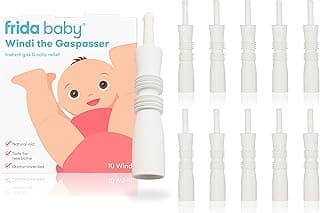
Frida Baby Windi Gas Reliever
INSTANT BABY GAS RELIEF: Say goodbye to gassy grimaces with our ingenious hollow tube that works like magic to instantly relieve trapped baby toots by creating a gentle passage for gas bubbles to escape while the specialized design triggers natural relaxation resulting in immediate relief for fussy babies
The Science of Postpartum Healing
Following a vaginal delivery, the body undergoes a series of complex recovery stages. The perineal area often experiences micro-trauma or significant tearing (lacerations), requiring careful hygiene to prevent infection. Furthermore, the uterus begins the process of involution—shrinking back to its pre-pregnancy size—which results in lochia, a discharge of blood, mucus, and uterine tissue that can last for several weeks.
Inflammation is the body’s natural response to this trauma. While inflammation is a necessary part of the healing cascade, excessive swelling can cause significant discomfort and delay the restoration of tissue integrity. Utilizing high-quality, specialized products that focus on vasoconstriction (cooling) and non-abrasive hygiene is essential for both physical comfort and long-term pelvic floor health.
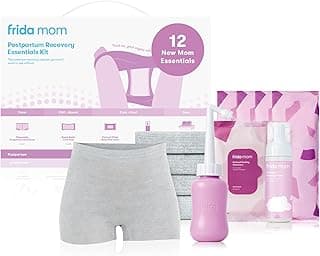
Frida Mom Postpartum Recovery Essentials
COMPLETE POSTPARTUM RECOVERY KIT: Comprehensive postpartum essentials included are the Disposable Postpartum Underwear (4), Instant Cooling Ice Maxi Pads (4), Medicated Witch Hazel Perineal Cooling Pad Liners (24), Medical-Grade Perineal Healing Foam (5oz), Ergonomic Upside-Down Peri Bottle, and Bathroom Organization Caddy.
Why the Frida Mom Kit is a Gold Standard
The traditional approach to postpartum care involves using the standard-issue supplies provided by the hospital: bulky mesh underwear that tends to slip, "ice packs" that require manual activation and are often rigid, and the standard straight-nozzle peri bottle.
The Frida Mom Kit disrupts this "piece-meal" approach by offering a curated, systemic regimen. Instead of hunting for individual components, the kit provides an integrated workflow for the bathroom, housed in a discreet caddy. From a clinical perspective, this consistency encourages better compliance with hygiene protocols, which reduces the risk of postpartum complications.
The Upside-Down Peri Bottle: An Ergonomic Marvel
In the medical community, the "upside-down" design of the Frida Mom Peri Bottle is frequently cited as a significant improvement over hospital-standard equipment.
The Science: After a vaginal birth, the perineum is tender, and reaching around to aim a standard bottle can be painful and ineffective. The Frida Mom bottle features a narrow, angled neck that allows for targeted cleaning without the need for manual dexterity or uncomfortable positioning.
Expert Tip: Use lukewarm water for comfort, but if you are experiencing significant swelling, slightly cool water can provide a mild numbing effect. Always pat dry with a clean cloth or use the "air dry" method to ensure the area remains free of excess moisture, which can breed bacteria.
Disposable Postpartum Underwear: Function Meets Comfort
The mesh underwear provided by hospitals is functional but lacks the structural integrity required to hold heavy postpartum pads in place.
The Difference: The Frida Mom underwear is designed like a true garment. It is seamless, breathable, and features a high-waisted fit that avoids pressure on the abdomen—a crucial feature if the birth resulted in an unplanned C-section or if you are dealing with abdominal tenderness.
Parent-to-Parent Tip: Do not rush back into your "normal" underwear. The breathability of these disposable briefs is vital for wound healing. Tight, non-breathable fabrics can trap heat and moisture, increasing the risk of yeast infections or irritation around stitches.
Instant Ice Maxi Pads: The Power of Cryotherapy
Cryotherapy (the application of cold) is the gold standard for managing acute tissue trauma. It works by causing vasoconstriction, which limits the blood flow to the area and reduces the buildup of fluid (edema).
The Mechanism: These are not your standard pads. They are "crack-and-cool" instant ice packs built into an absorbent maxi pad. They provide a dual function: managing lochia while simultaneously delivering consistent cold therapy.
When to Use: Use these most frequently in the first 24 to 72 hours after birth, which is the peak period for inflammatory swelling.
Witch Hazel Liner Foam: Advanced Soothing
Witch hazel (Hamamelis virginiana) is a natural astringent rich in tannins. It has been used for centuries to reduce swelling and soothe skin irritation.
The Innovation: While many parents are familiar with witch hazel "tucks" or pads, the Frida Mom Foam offers a superior delivery system. The foam covers the entire surface area of the pad, ensuring that the healing properties of the witch hazel reach every part of the perineum without the friction caused by shifting small circular pads.
Practical Parent-to-Parent Tips for Recovery
- Prep the "Station": Before you leave for the hospital, set up your primary bathroom with the Frida Mom caddy. You won't want to be unboxing items while holding a newborn and managing a healing body.
- The "Pad-Sicle" Alternative: If you run out of the instant ice pads, you can create "pad-sicles" by saturating a heavy-duty pad with aloe vera and witch hazel and freezing it. However, the Frida Mom pads are preferred for the first few days because they stay cold without becoming "soggy" as they thaw.
- Hydration is Key: While the kit handles external healing, internal healing requires hydration. High water intake helps prevent constipation, which is a major concern during the first week of postpartum recovery.
When to Call the Doctor: Expert Guidance
While the Frida Mom Kit handles the "normal" discomforts of recovery, it is vital to monitor for "red flag" symptoms. Contact your OB-GYN or midwife immediately if you experience:
- Excessive Bleeding: If you are soaking through a maxi pad in less than one hour, or if you pass blood clots larger than a golf ball.
- Fever: A temperature of 100.4°F (38°C) or higher can be an early sign of infection (endometritis or a urinary tract infection).
- Foul Odor: While lochia has a distinct smell, a strong, "fishy" or foul odor is an indicator of bacterial infection.
- Severe Pain: Pain that is not managed by OTC medications or that radiates into the legs or abdomen.
- Localized Redness/Heat: If a specific area of the perineum becomes increasingly red, hot to the touch, or shows signs of pus.
The Importance of High-Quality Products
The postpartum period is often treated as a "grin and bear it" phase of motherhood. However, from a pediatric and maternal health standpoint, a mother’s physical comfort is directly linked to her ability to bond with her infant and her overall mental well-being. Using high-quality products like those in the Frida Mom Kit is not a luxury—it is an investment in your recovery.
When you are not preoccupied with the sharp sting of stitches or the discomfort of inadequate supplies, you can focus on breastfeeding (if that is your choice), skin-to-skin contact, and the vital rest required for long-term health.
The Verdict
The Frida Mom Postpartum Recovery Kit is more than just a collection of bathroom supplies; it is a comprehensive recovery system designed with an empathetic understanding of the female body. It removes the guesswork from a time when your brain is already taxed by sleep deprivation and the steep learning curve of new parenthood.
Final Recommendation: Put this on your registry or buy it for yourself around the 34-week mark. It is the one "essential" that actually lives up to the name, making the first week home infinitely more bearable and allowing you to recover with the dignity you deserve.